
Skip to content
Oil Change International | Data Driven, People Powered. Oil Change International | Data Driven, People Powered.
  • About
    • Our Work
    • Values
    • Team
    • Jobs at OCI
    • Ways to Give
  • Program Areas
    • Africa
    • Asia
    • North Sea
    • United States
    • Global Industry
    • Global Public Finance
    • Global Policy
  • Latest
    • Blog
    • Podcast
    • Press Releases
    • Shell Shocked Land
  • Press Releases
  • Publications
Donate
  • Get Updates
    • Share on Bluesky Share on Bluesky Bluesky (opens in a new window)
    • Share on Twitter Share on Twitter Twitter (opens in a new window)
    • Share on Instagram Share on Instagram Instagram (opens in a new window)
    • Share on LinkedIn Share on LinkedIn LinkedIn (opens in a new window)
    • Share on Facebook Share on Facebook Facebook (opens in a new window)
Donate
  • About
    • Our Work
    • Values
    • Team
    • Jobs at OCI
    • Ways to Give
  • Program Areas
    • Africa
    • Asia
    • North Sea
    • United States
    • Global Industry
    • Global Public Finance
    • Global Policy
  • Latest
    • Blog
    • Podcast
    • Press Releases
    • Shell Shocked Land
  • Press Releases
  • Publications
    • Get Updates
    • Share on Bluesky Bluesky
    • Share on Twitter Twitter
    • Share on Instagram Instagram
    • Share on LinkedIn LinkedIn
    • Share on Facebook Facebook
Go to OCI Homepage
Current Affairs
Published: February 08, 2008

Biofuels Increase CO2 Emissions
  • Latest from OCI
  • Blogs listing
  • Biofuels Increase CO2 Emissions
    • Biofuels Climate impacts Current Affairs extreme energy
Andy Rowell

When not blogging for OCI, Andy is a freelance writer and journalist specializing in environmental issues.

[email protected]

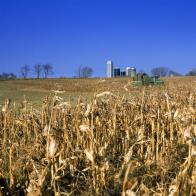
More bad news for biofuels. Transforming ecosystems into farms for biofuel crops will increase global warming and result in net increases in carbon emissions, according to a new study.

Scientists have found that converting rainforests, peatlands and grasslands can outweigh the carbon savings made from biofuels and produce “carbon debts” which could take centuries to pay off.

The study will add to concerns about the ability of biofuels to replace fossil fuels. The EU is reviewing its pledge that biofuels such as bioethanol and biodiesel should make up 10% of transport fuel by 2020.

In the study, US researchers calculated that converting natural ecosystems to grow corn or sugarcane to produce ethanol, or palms or soybeans for biodiesel, could release between 17 and 420 times more carbon than the annual savings from replacing fossil fuels.

Stephen Polasky of the University of Minnesota, one of the authors of the study, published today in the journal Science, said: “We don’t have proper incentives in place because landowners are rewarded for producing palm oil and other products but not rewarded for carbon management. This creates incentives for excessive land clearing and can result in large increases in carbon emissions.”

Oil Change International | Data Driven, People Powered.
Donate Get Updates
Back to the top
  • Keep in touch

  • Oil Change International
    714 G St. SE, #202
    Washington, DC 20003
    United States

    +1.202.518.9029

    [email protected]

    • Share on Bluesky Bluesky (opens in a new window)
    • Share on Twitter Twitter (opens in a new window)
    • Share on Instagram Instagram (opens in a new window)
    • Share on LinkedIn LinkedIn (opens in a new window)
    • Share on Facebook Facebook (opens in a new window)
  • Quick links

  • About OCI
  • Our Values
  • Jobs at OCI
  • Ways to Give
  • Media Centre

  • Publications
  • Press
  • Associated websites

  • Big Oil Reality Check
  • Energy Finance Database
  • Permian Climate Bomb
  • Site map
  • Privacy policy

Copyright © 2026 Oil Change International. Web design by Fat Beehive