
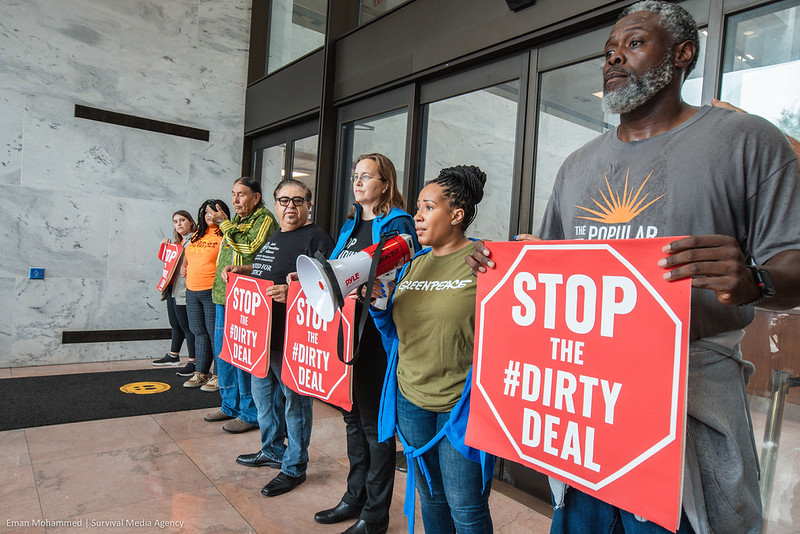
The Permitting Bill Is The Fossil Fuel Industry’s Climate Action Kill Switch
Proponents’ models only expose how little would be gained from this epic giveaway.
Read the latest insights and analysis from the experts at Oil Change International.
Proponents’ models only expose how little would be gained from this epic giveaway.
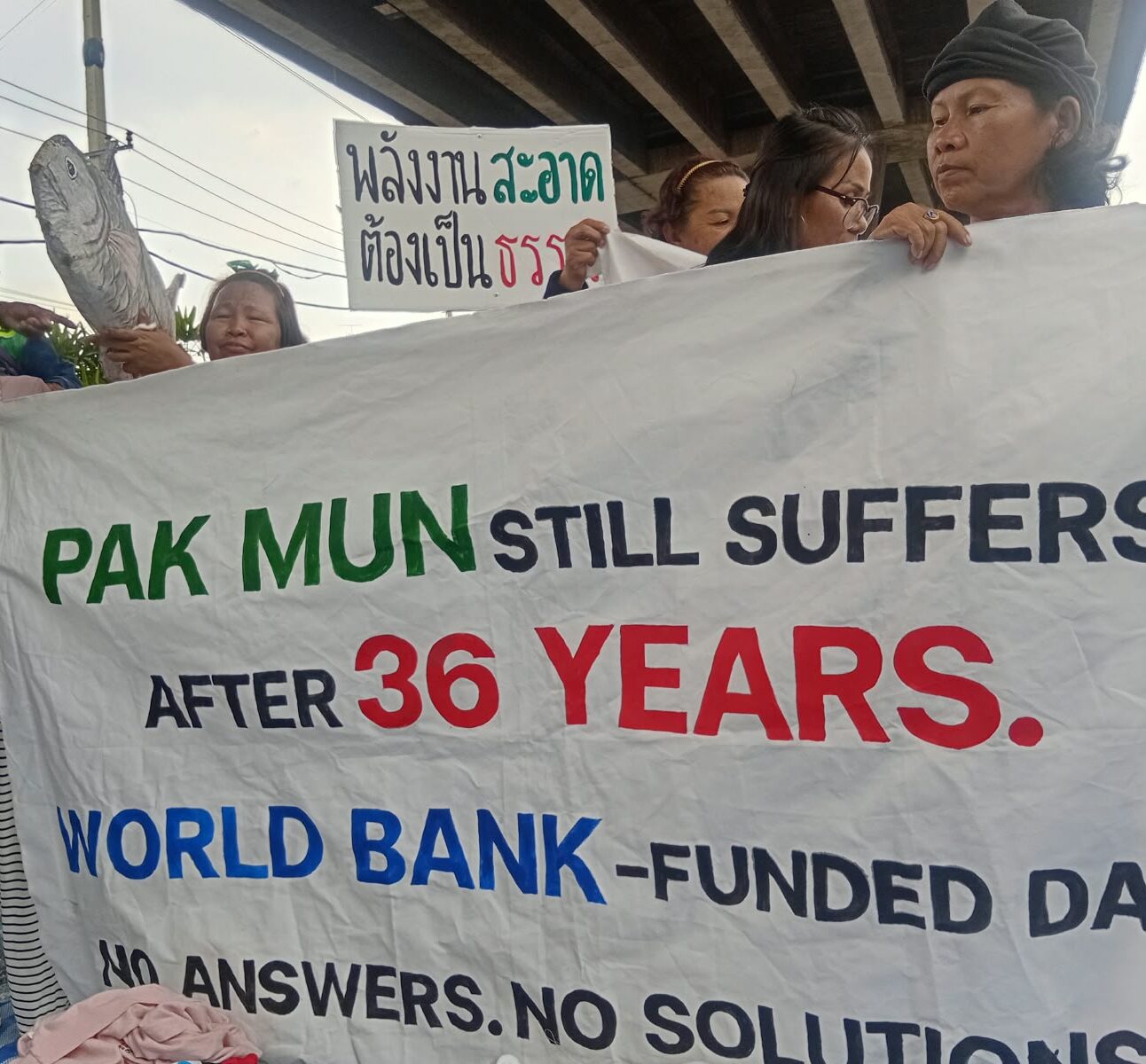
Asian countries should not be pushed into long-term fossil fuel dependency in the name of energy security or climate action. Nor should communities be expected to sacrifice their environment and livelihoods for investments they have little to no power to influence.
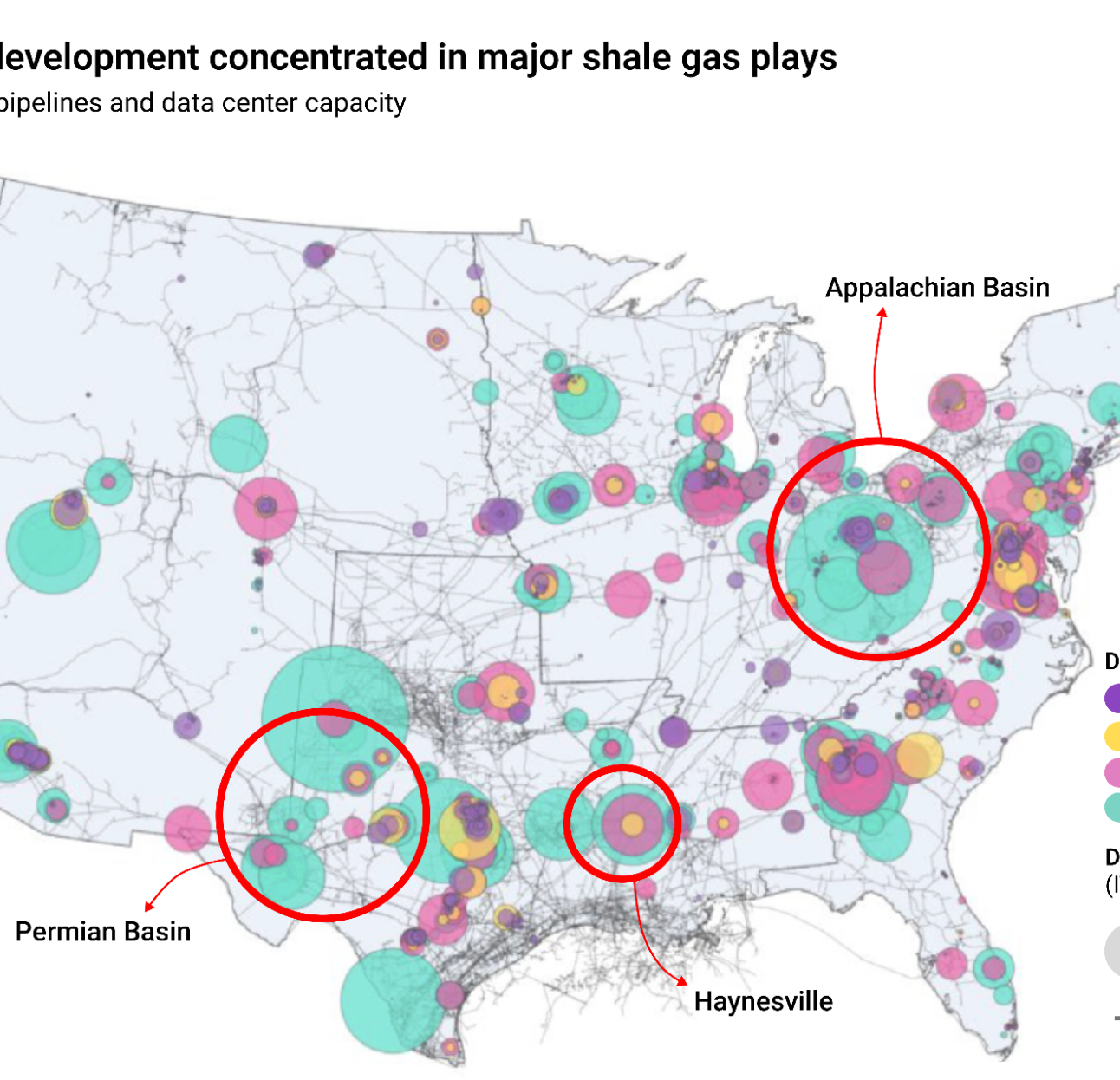
Senators announced a bipartisan bill to deregulate federal infrastructure permitting. Some Democrats framed the deal as good for clean energy, citing provisions that could speed up permitting for transmission lines and grid connections for renewable energy. But the bill would more likely support an unprecedented buildout of gas power plants linked to the AI data center boom.
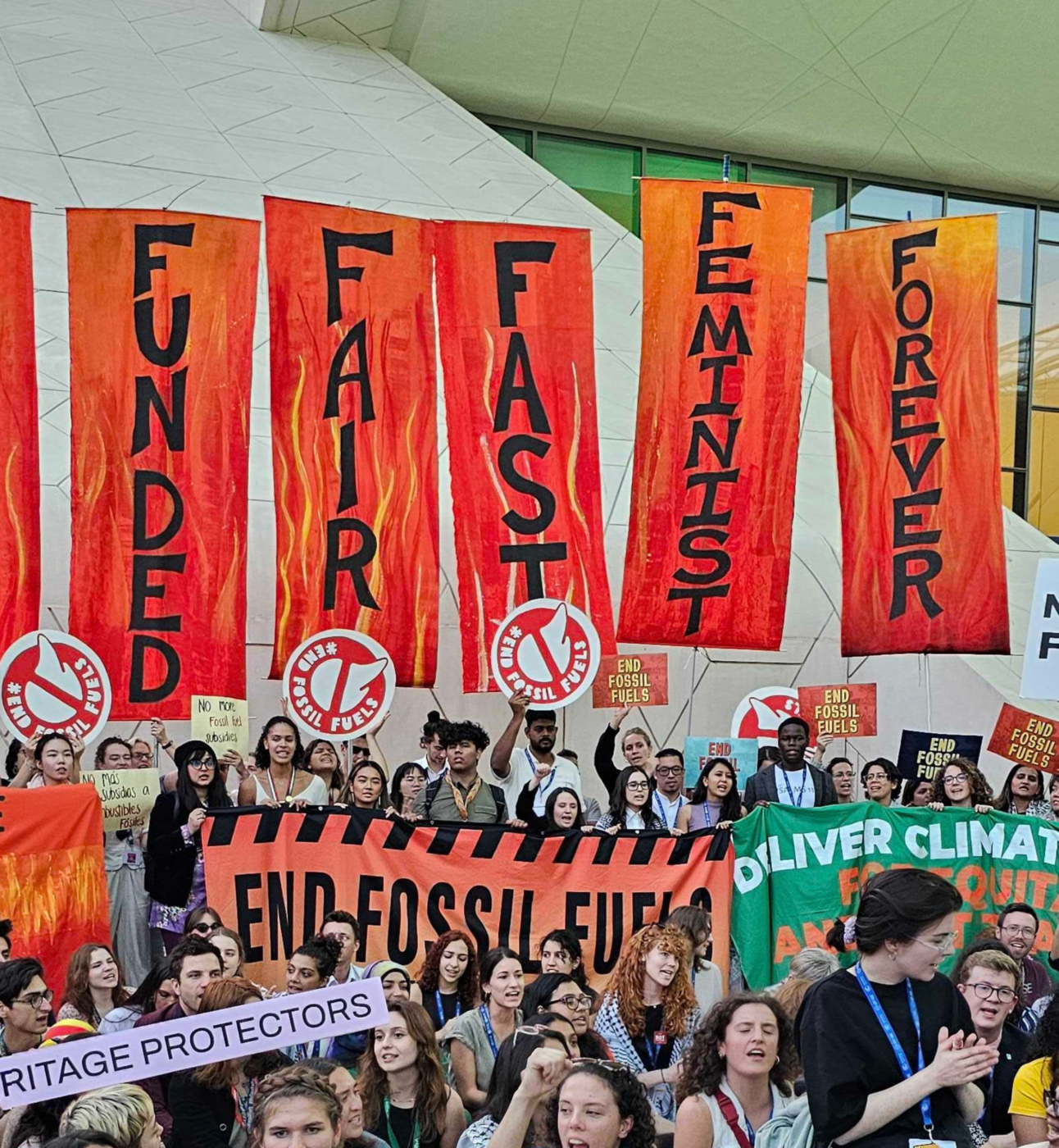
Fossil fuel dependence drives deadly climate impacts, higher energy costs, economic instability, and conflict. As the Trump administration doubles down on fossil fuel expansion in the United States and abroad, other governments must offer a different path. Publicly led national roadmaps can deliver a fair, fast, and funded fossil fuel phaseout to protect workers and communities, strengthen economies, and build energy sovereignty.

The world’s five largest international oil companies (IOCs) and five largest U.S. independent refiners made over US$65 billion in profits in the second quarter of 2026 as conflicts in the Persian Gulf and Ukraine spiked oil prices and caused refined fuel supply constraints. As thousands die in the relentless bombardments of drones and ballistic missiles, the oil and gas industry reaps windfall profits in a year that was looking to be a loser before the bombs started falling.

They say the truth will come out. It might take years or decades, but finally the truth will eventually come out. For decades, in what has become a multi-generational fight, the communities of the Niger Delta have fought Shell for its rampant pollution and environmental devastation.

Private investment alone won’t deliver the energy transition. National development banks can, says Adam McGibbon of Oil Change International.
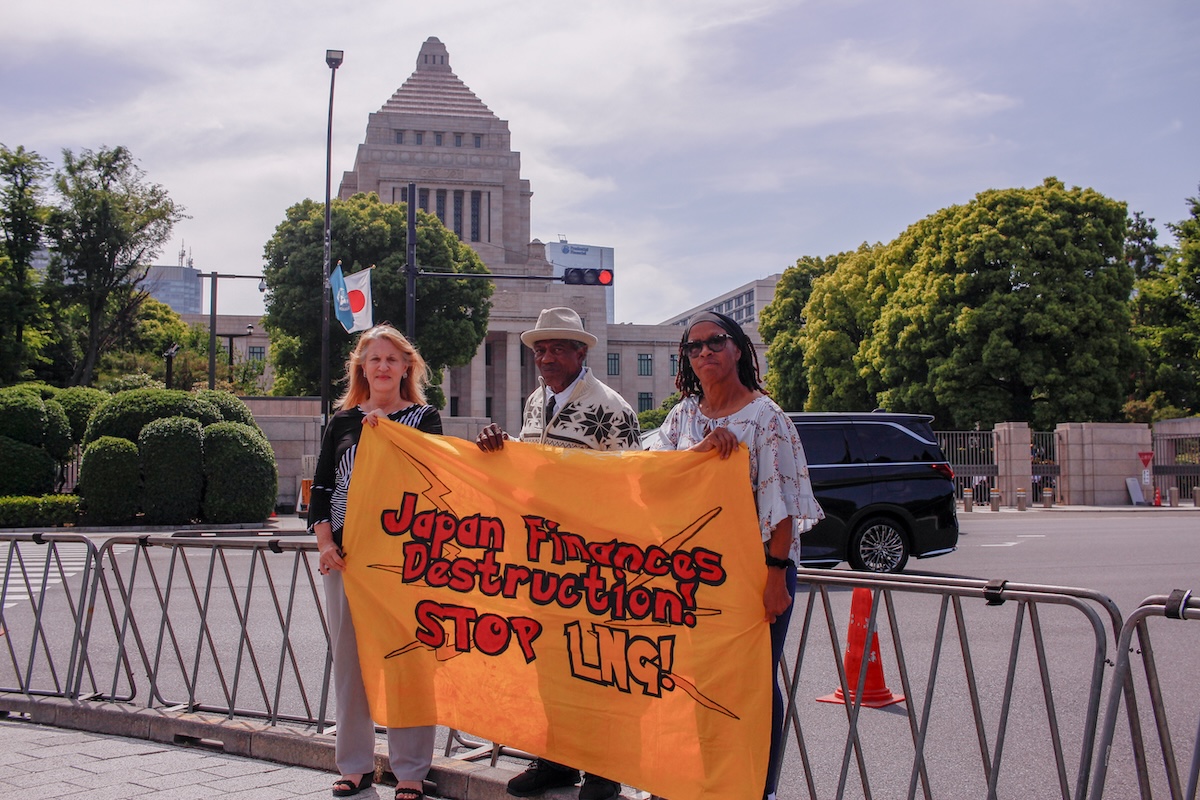
This May, community leaders from Freeport, Texas, flew to Tokyo to hold Japanese financiers accountable for funding a dangerous liquefied natural gas (LNG) export project in their town.

As long as the global energy system relies on volatile fossil fuel markets, conflicts will continue to drive instability, economic shocks, and corporate profiteering. Fossil fuel companies can rake in profits from this volatility, while households are left with higher bills. The only real path to energy security is a just transition to affordable renewable energy.

On 20 May 2026, the United Nations General Assembly (UNGA) adopted a landmark resolution backing the International Court of Justice’s (ICJ) 2025 advisory opinion on climate change. The resolution passed overwhelmingly, with 141 countries voting in favor, 8 against, and 28 abstaining. The adoption of this resolution is a major development, both legally and politically. It reinforces States obligations under international law to prevent and address climate change and suggests that countries could face legal consequences if they fail to act, including through enabling continued fossil fuel expansion.