
WEO 2020: A small step when the world needs a giant leap
WEO 2020 is only a small step forward when the world needs a giant leap. Now the IEA has to finish the job and fix the WEO.
Read the latest insights and analysis from the experts at Oil Change International.
WEO 2020 is only a small step forward when the world needs a giant leap. Now the IEA has to finish the job and fix the WEO.
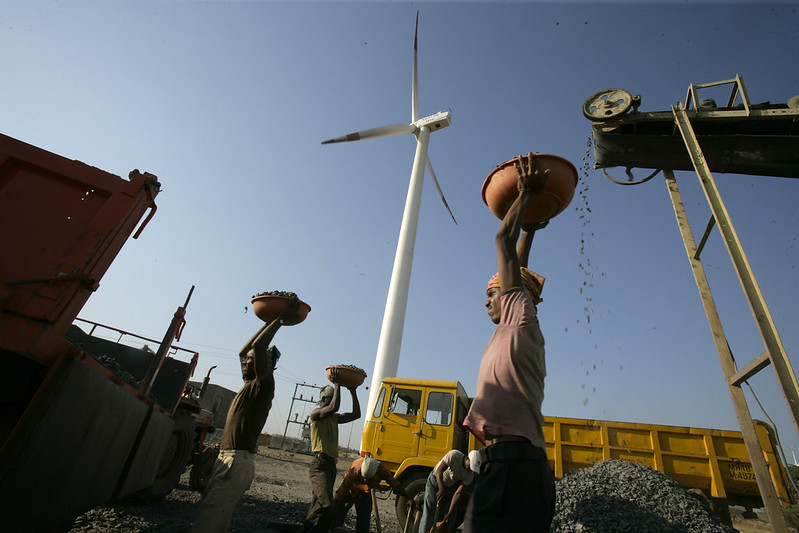
People all over the world are facing unprecedented crises from COVID-19. These tragic impacts will be the deepest in the world’s most vulnerable communities, regions and countries. IEA director Dr. Fatih Birol has urged governments worldwide to place clean energy at the heart of stimulus. Here Dr. Birol is right - but making this clean energy call count with real ambition is critical if the IEA wants to shake its reputation as a shill for the fossil fuel sector.
The IEA is embarking on a public relations effort that bears a striking resemblance to the spin coming from the oil and gas industry itself. This post takes a closer look at the IEA’s new spin, and why it's a dangerous distraction from real solutions.
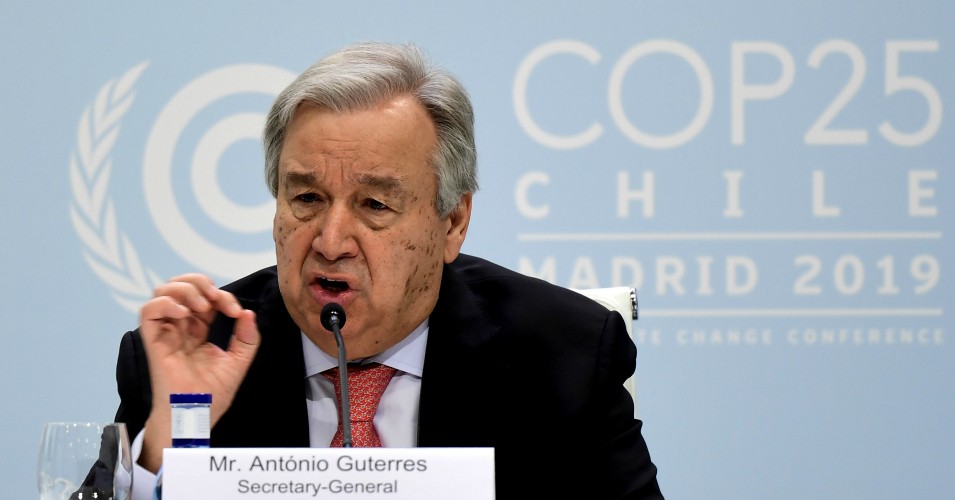
The IEA's fingerprints were all over the failed UN climate talks in Madrid. And so, it was not hard to find them and set the record straight.
In case you missed it, yesterday the International Energy Agency released its hallmark report, World Energy Outlook (WEO) 2019. If the resultant press coverage and social media traffic was any indication, there are growing concerns over the inadequacy of the WEO.
In its 2019 World Energy Outlook, used by governments and investors all over the world to guide energy decisions, the International Energy Agency is still centering a trajectory heading towards climate breakdown.
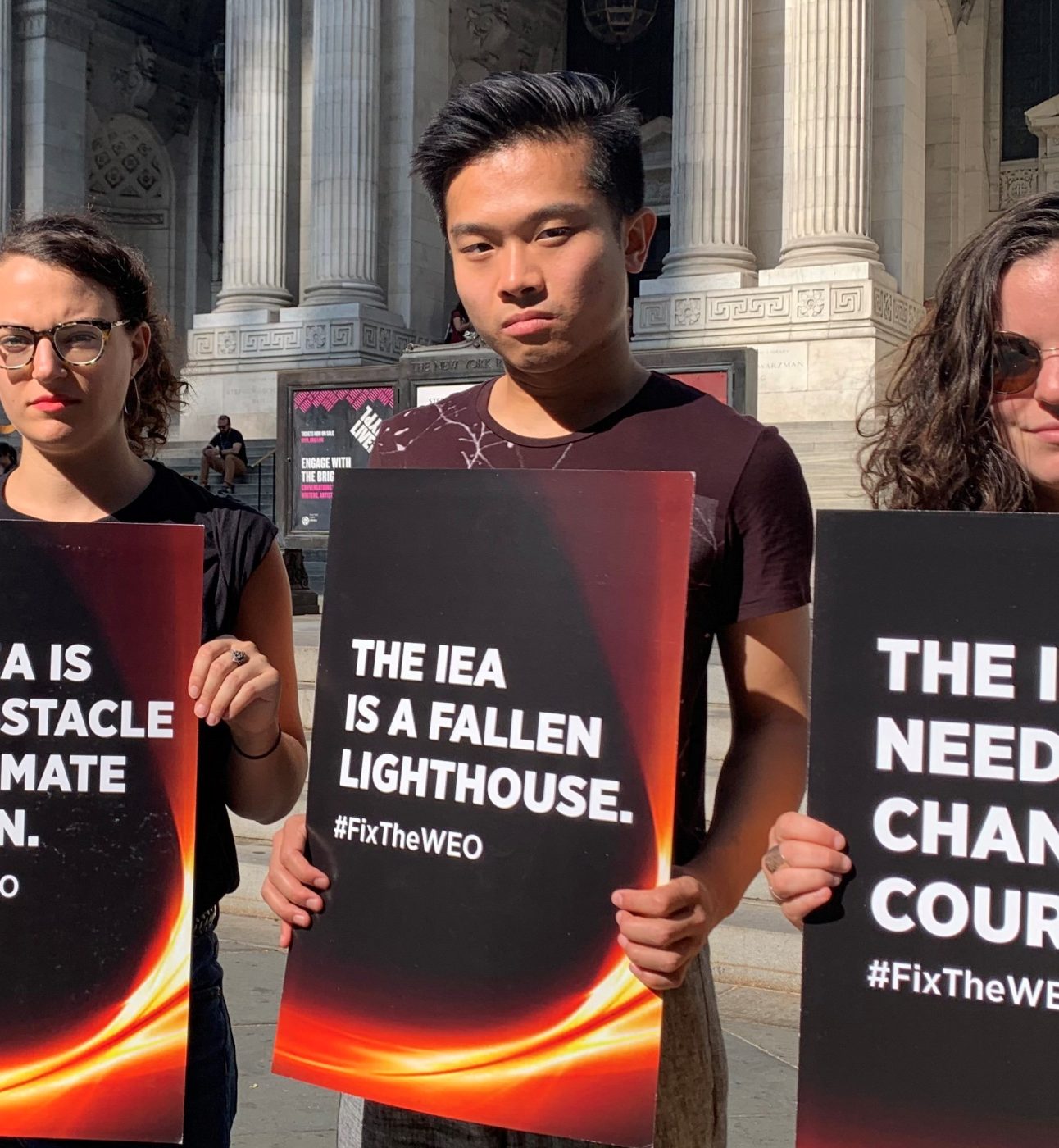
When it comes to the urgent need for a robust, central, 1.5°C-aligned energy scenario that doesn’t gamble our future on unproven technologies, the IEA unfortunately presents far more spin than substance.
For the IEA, real scenario reform will require more than risky emissions accounting tricks that punt the burden and costs of reducing emissions to future generations.
For IEA scenario reform, the devil is in the details. The IEA must develop a 1.5°C scenario that is aligned with the goals of the Paris climate agreement and address the concerns of key WEO users. Anything less would be easy to discount as greenwashing or another example of the pro-fossil fuel bias at the IEA.
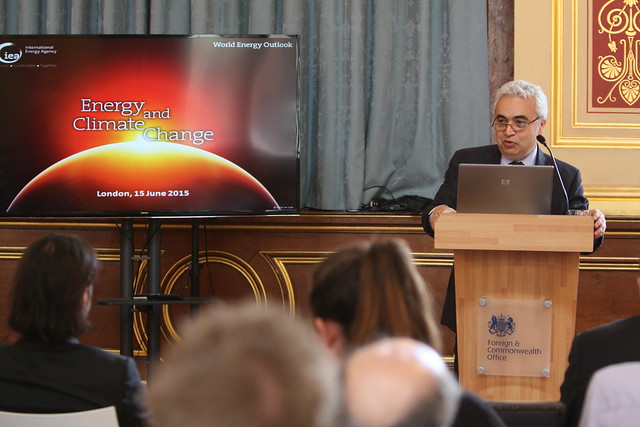
When it comes to making decisions on expensive and complex energy infrastructure, investors, governments, and companies look decades into the future. Unfortunately for action on climate change, the IEA's World Energy Outlook has a strong status quo bias.