
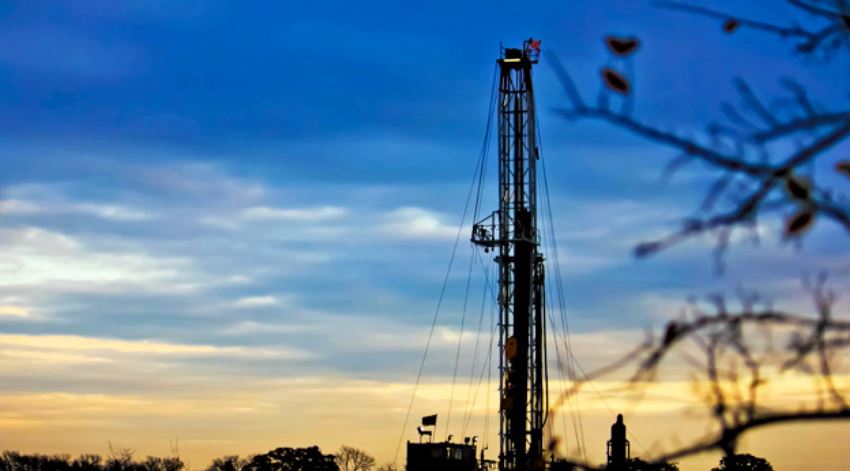
US Shale Capital “Starting to Dry Up”
The US shale revolution is slowly grinding to a halt as the continuing low oil price takes its toll on the viability of fracking in the country.
Read the latest insights and analysis from the experts at Oil Change International.
The US shale revolution is slowly grinding to a halt as the continuing low oil price takes its toll on the viability of fracking in the country.
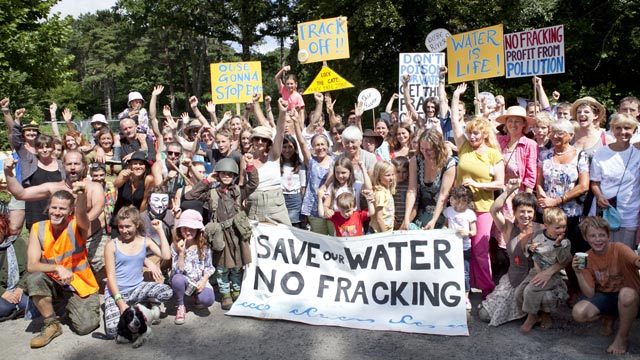
The Conservative Government’s full-frontal assault on Britain’s internationally-respected planning process has become apparent this morning, after it was announced that Ministers will fast-track fracking applications overriding local councils.
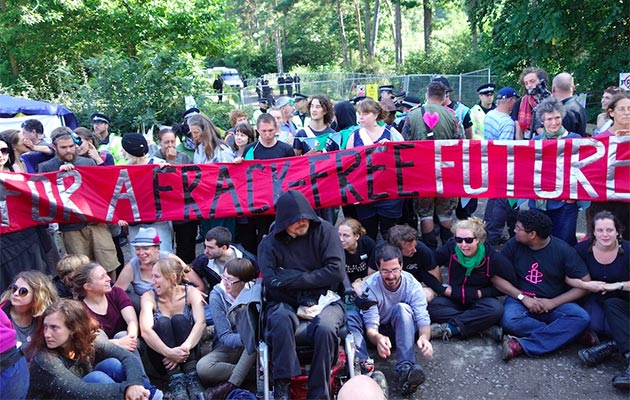
The fracking debate in the UK is set to intensify this week, with press reports that the British government is set to announce the winners of a whole raft of new licenses that could see up to half the country opened up to fracking.
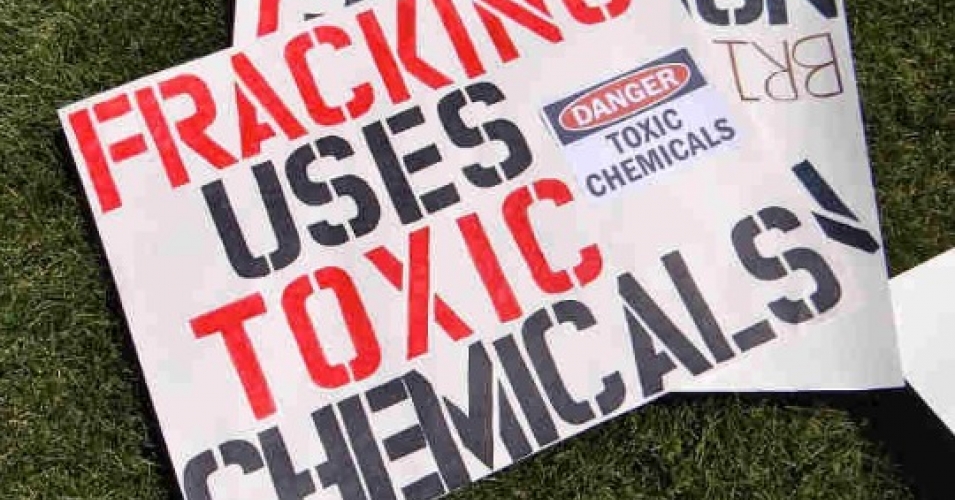
Just as the British Government slashes subsidies for solar power and gears up to open up large swathes of the countryside to fracking, a coalition of human rights lawyers and academics have announced an international tribunal to put fracking “on trial”.
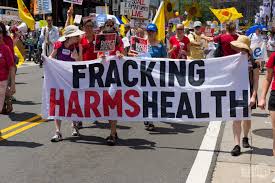
Over the last few months on this blog, I have pointed out that barely a week goes by without new research raising serious health issues about fracking.
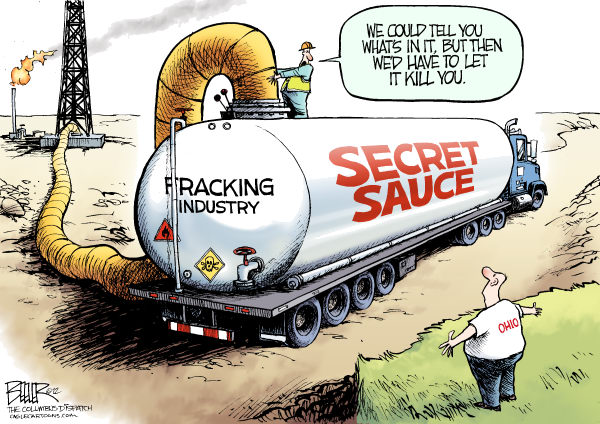
A report by the UK Task Force on Shale Gas has called for greater safety and transparency measures to be implemented before widespread fracking occurs across the country.
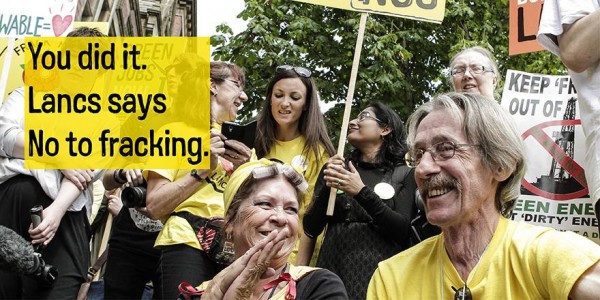
The UK fracking industry was left in total disarray yesterday after Lancashire County Council voted overwhelmingly to oppose fracking in the North West of the country.
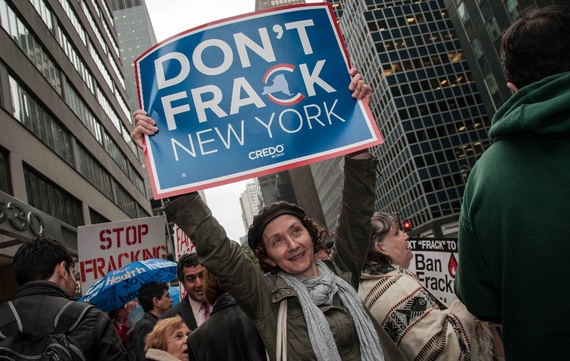
There was more bad news for the fracking industry yesterday when New York State became the first US state to officially ban fracking.
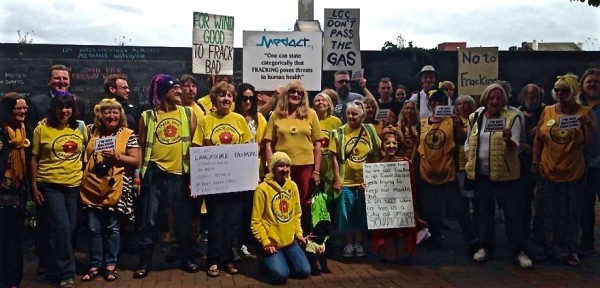
Councillors in Lancashire in the North West of the UK yesterday unanimously refused one of two planning applications for fracking by the controversial company, Cuadrilla, but deferred a vote on the second application until Monday next week.
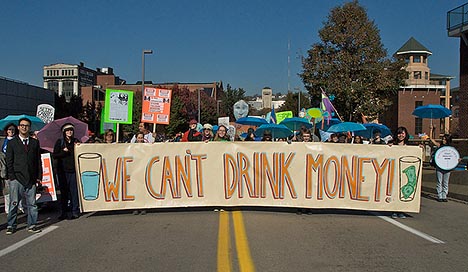
Last week, a new peer-reviewed study was published by the University of Texas at Arlington which found toxic chemicals in over two-thirds of drinking wells near fracking sites.