
Calling Out the Banks Behind North Dakota’s “Black Snake”
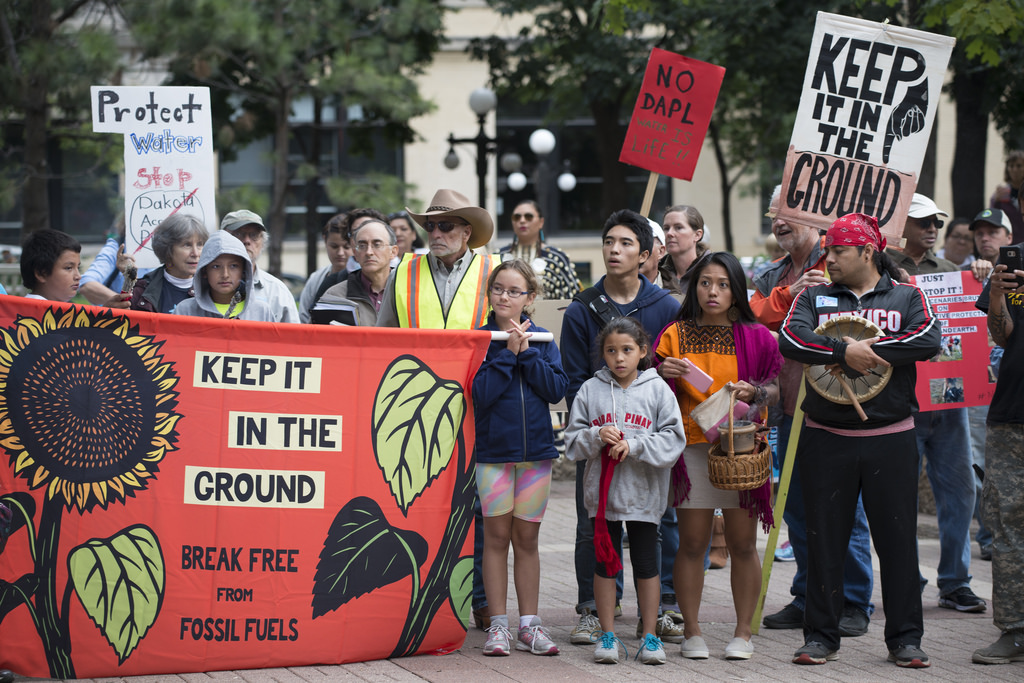
First Nations who are battling the North Dakota Access Pipeline are now seeking another way to stop what has become the most controversial fossil fuel project in the world.
Read the latest insights and analysis from the experts at Oil Change International.
First Nations who are battling the North Dakota Access Pipeline are now seeking another way to stop what has become the most controversial fossil fuel project in the world.
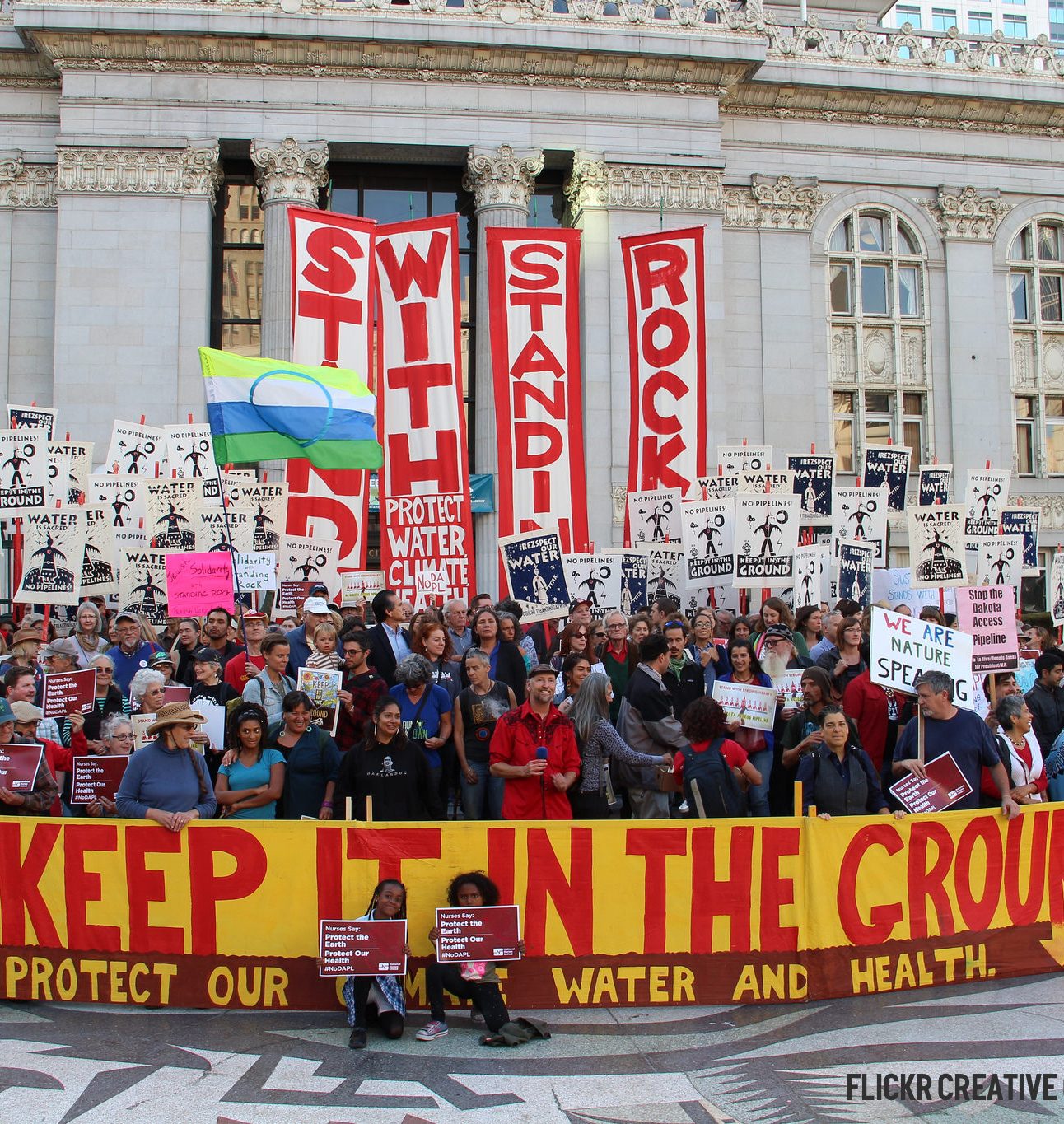
Hundreds of thousands have joined Native water protectors in opposing Dakota Access. So why are taxpayers subsidizing its owners with millions of dollars?
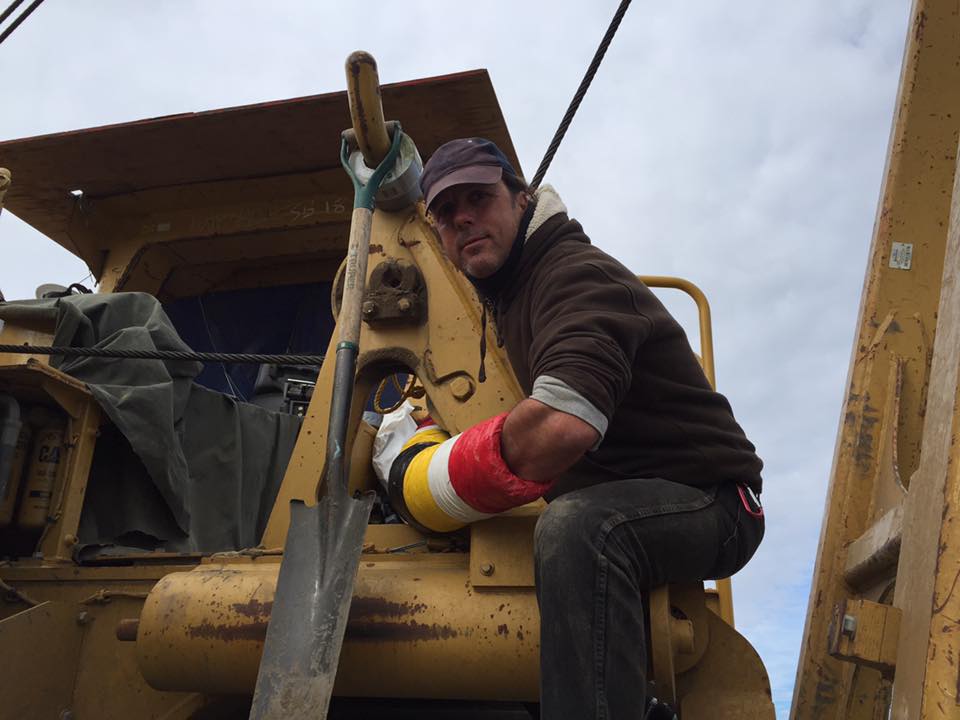
Despite worldwide protests yesterday, Kelcy Warren, the billionaire owner of the company building the Dakota Access pipeline, has defiantly vowed to "complete construction" of what has rapidly become the most highly controversial fossil fuel project in the world.
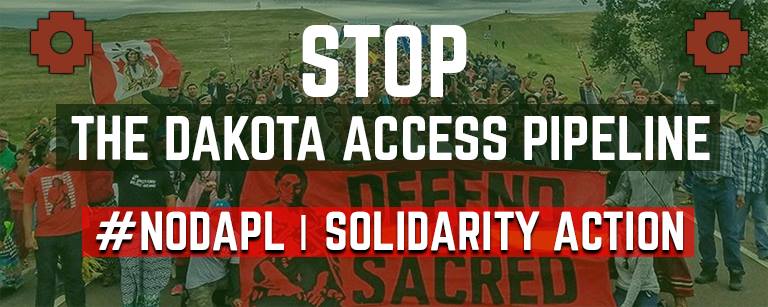
Today is the day that the resistance against the Dakota Access Pipeline spreads across the US and internationally.

There is good news and bad news for those fighting the Dakota Access Pipeline. First the bad news. A week ago I wrote about the outrageous attacks by security personnel on those protesting against the pipeline by using dogs and pepper spray.
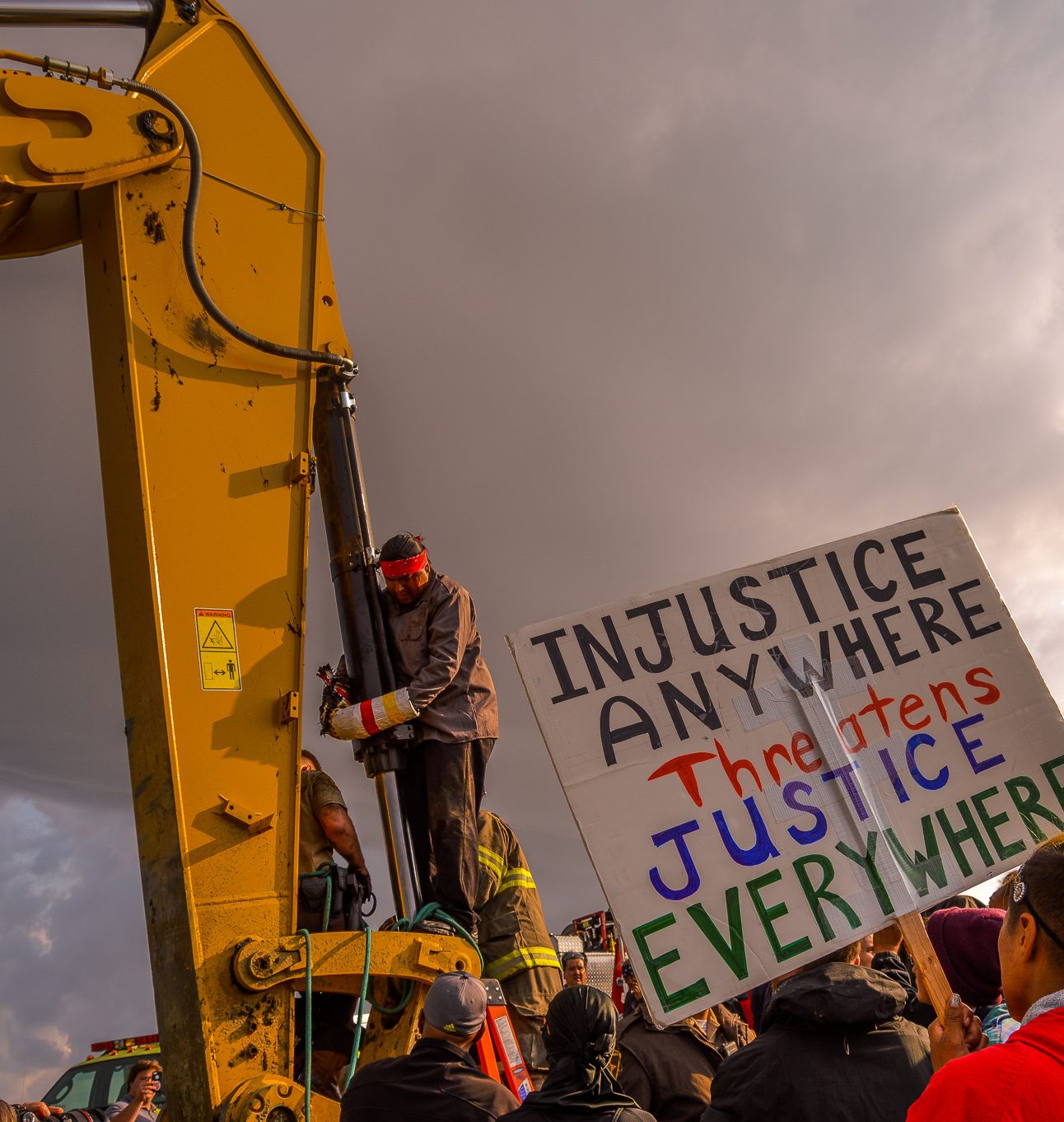
The climate impact of the Dakota Access is significant and cannot be ignored.
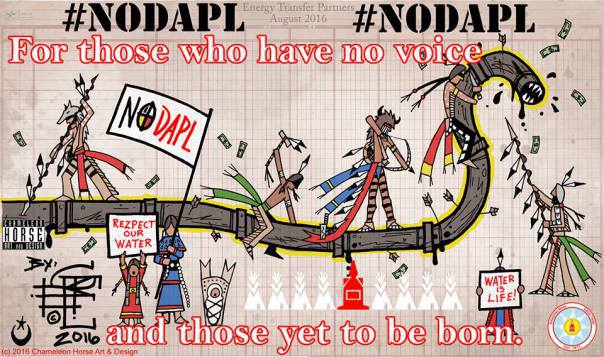
Later today the U.S. District Court in Columbia is expected to decide whether construction of the highly controversial North Dakota Access Pipeline can continue.
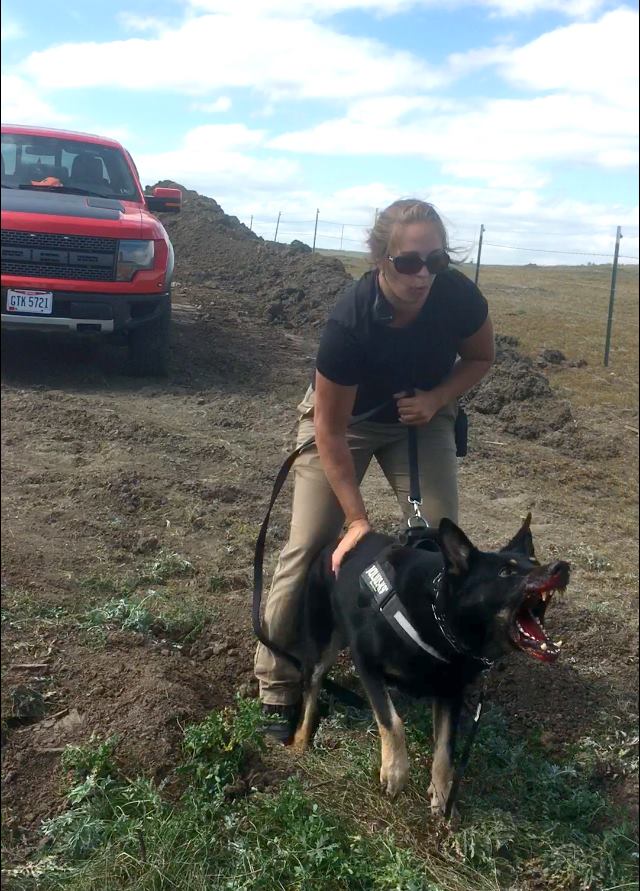
The contrast could not have been greater. Over the weekend, speaking on the eve of the G20 summit in Hangzhou, history was made as President Obama and Chinese President, Xi Jinping, announced that the world’s biggest emitters of greenhouse gases would formally ratify the Paris agreement on climate change.

The growing protest against the highly controversial North Dakota Access pipeline will end up in court tomorrow in Washington DC, when the Standing Rock Sioux Tribe’s lawsuit against the US Army Corps of Engineers will be heard.