
RoboCOP: Will Big Tech’s energy appetite undermine the transition?
Big Tech's growing appetite for electricity is the elephant in the room at COP31.
Read the latest insights and analysis from the experts at Oil Change International.
Big Tech's growing appetite for electricity is the elephant in the room at COP31.
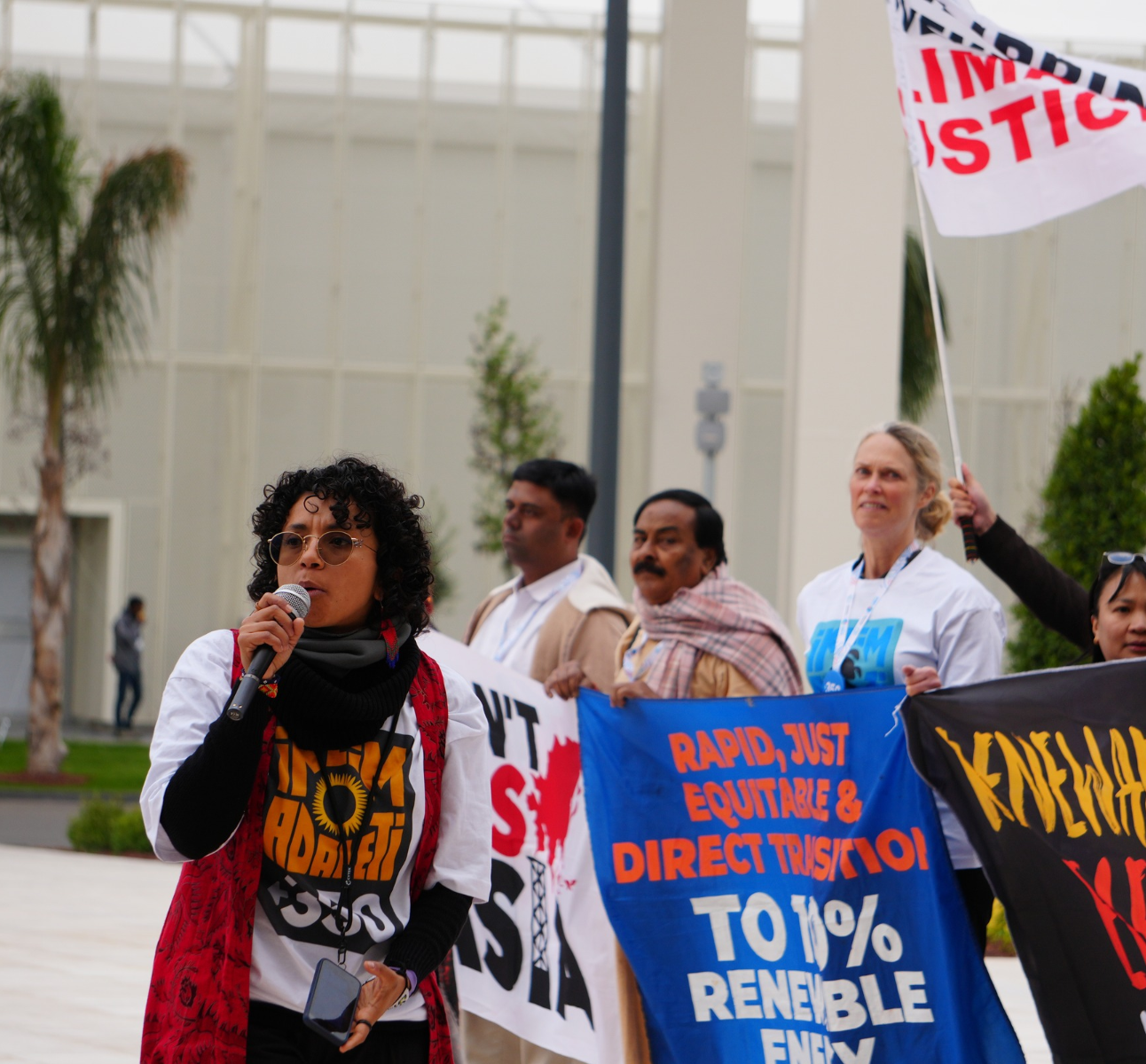
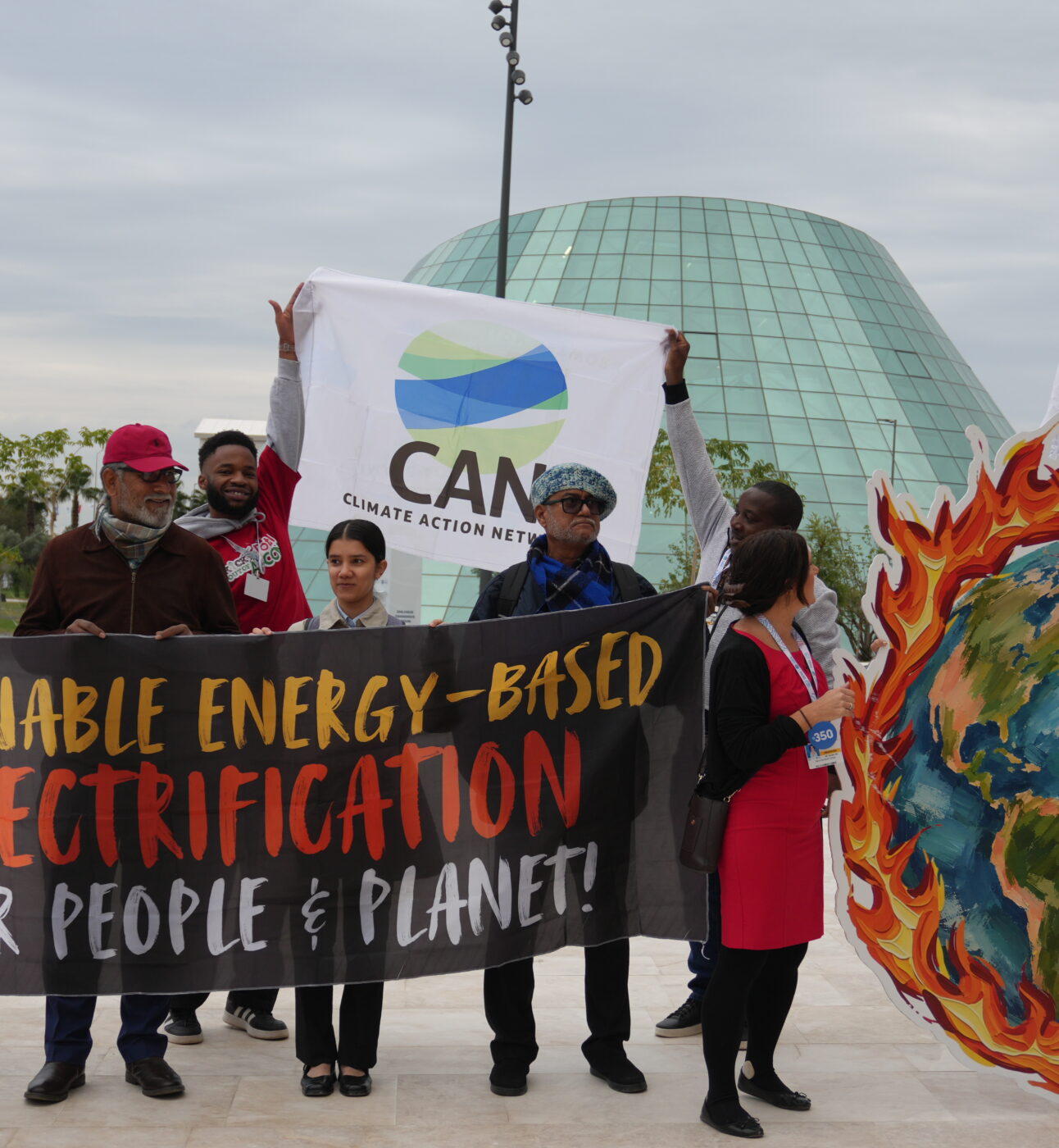
As governments consider a global electrification target at COP31, they must ensure it supports commitments to renewable energy and transitioning away from fossil fuels – and does not open the door to more fossil gas expansion.

As people around the world pay high oil and gas prices, Big Oil brings in billions of profits. Price volatility exposes how important it is to phase out fossil fuels in favor of more stable, reliable, and cheaper renewable energy.
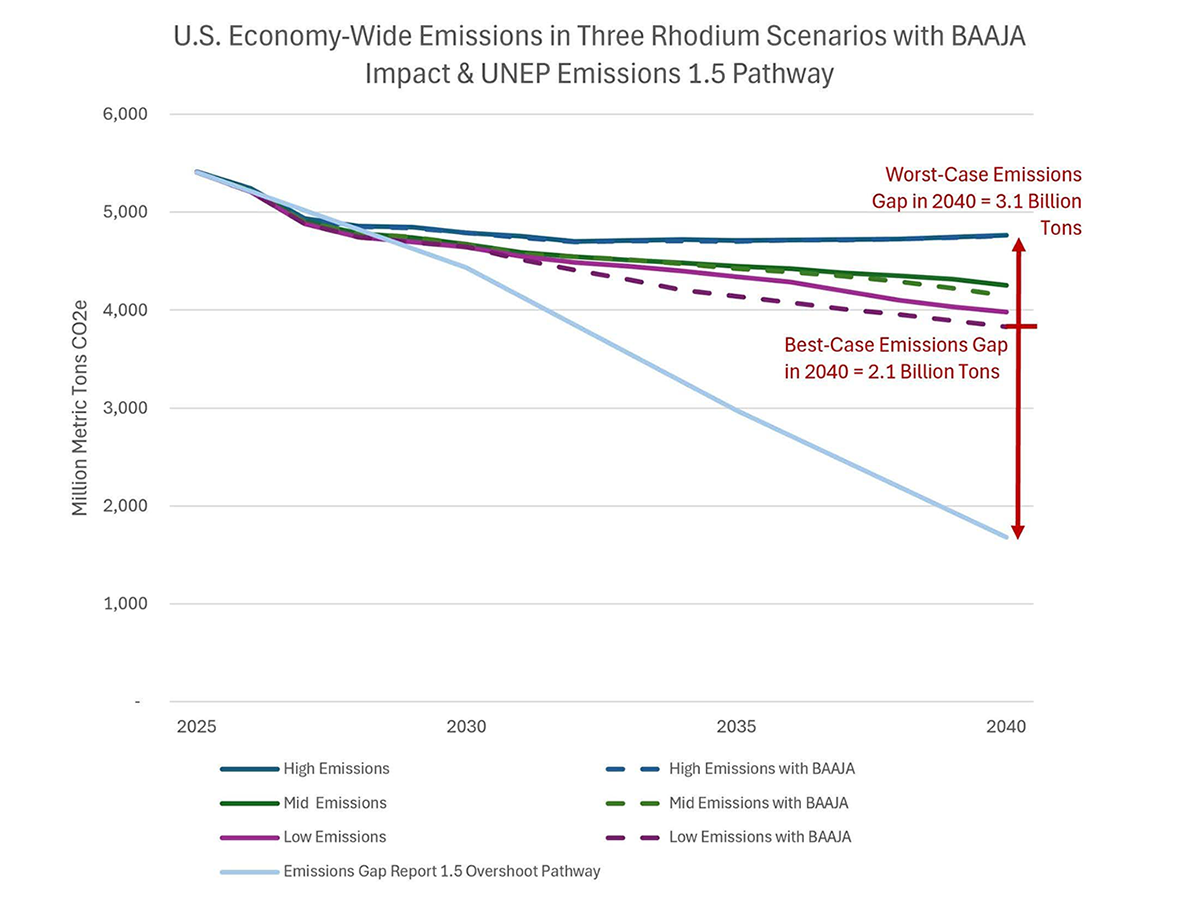
Slightly lower emissions in a world that needs to rapidly push emissions down to zero does nothing to end the climate crisis.
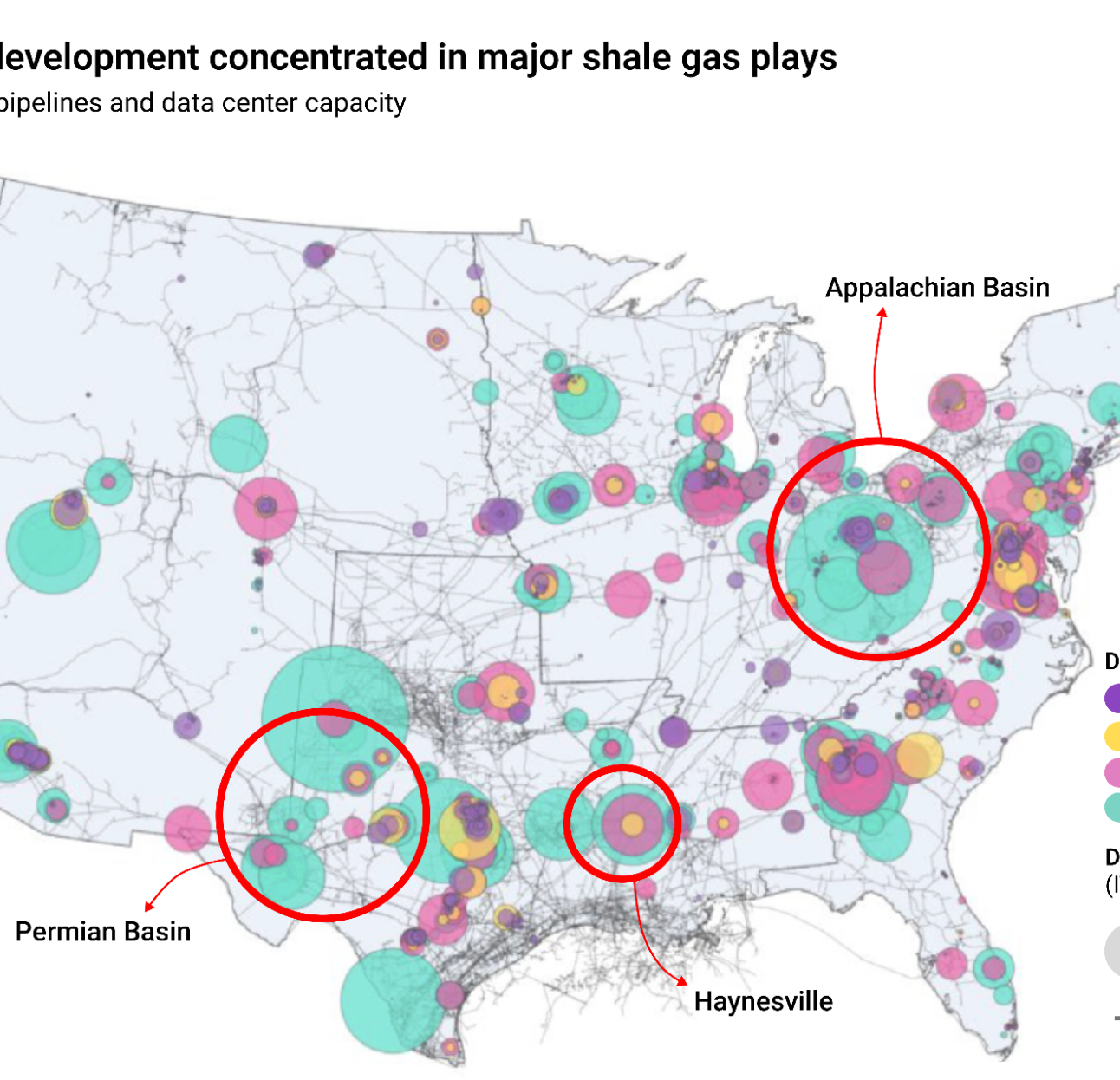
As communities across the country challenge the enormous burden data centers and gas infrastructure threaten to place on land, clean water and air, public health and safety, energy access, and the cost of living, BAAJA will take away their ability to demand accountability and protection.

As temperatures drop, millions of households across the UK will be reaching for the thermostats in dread, with energy bills yet again set to skyrocket. But as families are counting every pound, the government is deliberating pledging taxpayer money either to oil and gas giants that get richer from high bills - or to support families to reduce bills in the long term with greener heating systems. The choice should obviously be an absolute no-brainer.
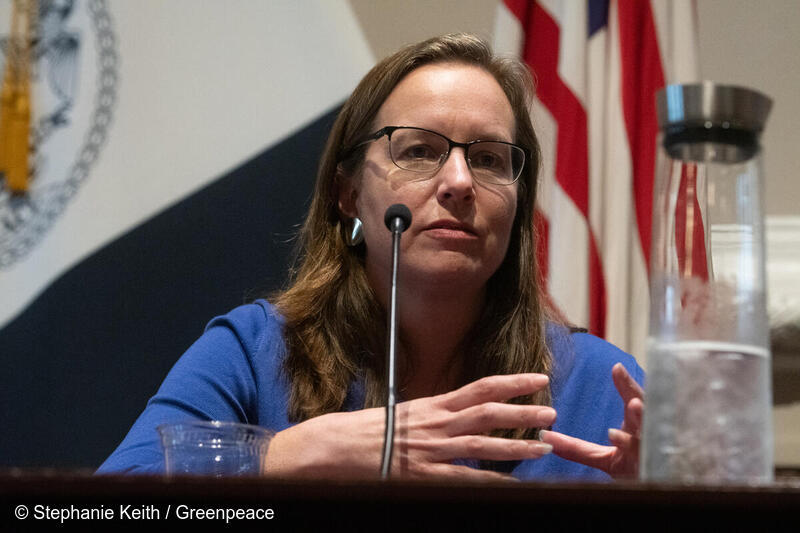
The U.S. Senate’s proposed Bipartisan American Affordability and Jobs Act is being presented as a “compromise” to support transmission and clean energy, but it is in fact a gift to the fossil fuel industry. The bill would strip communities of critical environmental protections, accelerate a massive expansion of gas infrastructure to power AI data centers, and undermine future climate action. Our analysis finds that even with the most optimistic modeling, the bill would fall far short of the emissions reductions needed to meet climate goals.
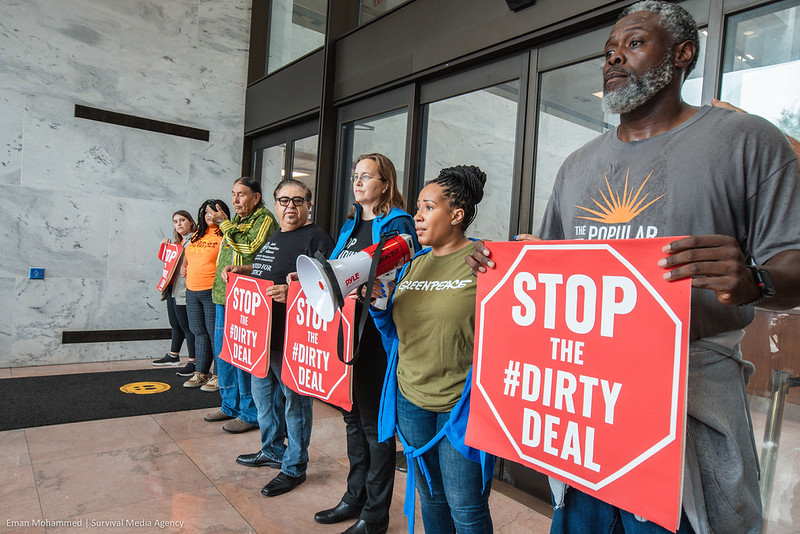
Proponents’ models only expose how little would be gained from this epic giveaway.

Asian countries should not be pushed into long-term fossil fuel dependency in the name of energy security or climate action. Nor should communities be expected to sacrifice their environment and livelihoods for investments they have little to no power to influence.
Senators announced a bipartisan bill to deregulate federal infrastructure permitting. Some Democrats framed the deal as good for clean energy, citing provisions that could speed up permitting for transmission lines and grid connections for renewable energy. But the bill would more likely support an unprecedented buildout of gas power plants linked to the AI data center boom.