
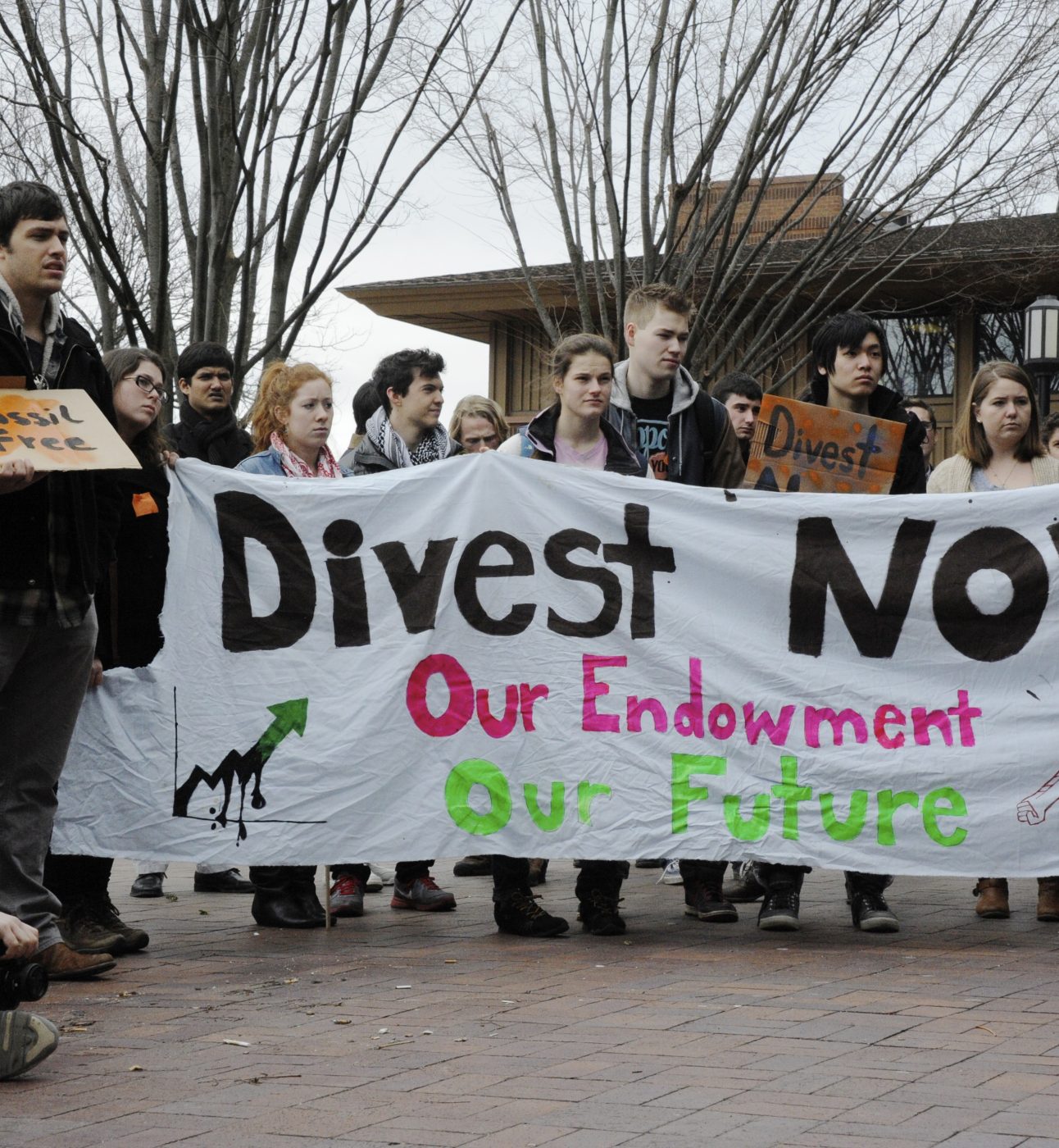
“We have gained money from not investing in fossil fuels”
As the fossil fuel disinvestment movement gathers a pace, the loses of US oil companies have reached record levels.
Read the latest insights and analysis from the experts at Oil Change International.
As the fossil fuel disinvestment movement gathers a pace, the loses of US oil companies have reached record levels.
If you read the news yesterday you would be forgiven for missing something momentous. When the definitive book about the oil age is finally written, yesterday will be marked as significant.

At the beginning of last week, environmentalists celebrated when the largest energy infrastructure company in North America, Kinder Morgan, pulled the plug on its controversial natural gas pipeline which had been proposed through parts of Massachusetts and Southern New Hampshire, called NorthEast Energy Direct.
History will be made today at a ceremony in New York when countries start to formally sign the Paris climate agreement, which was initially approved in December last year.
As the saying goes: the stone age did not end due to the lack of stones and the oil age will not end due to lack of oil. It will end due to climate change and the coming clean energy revolution.
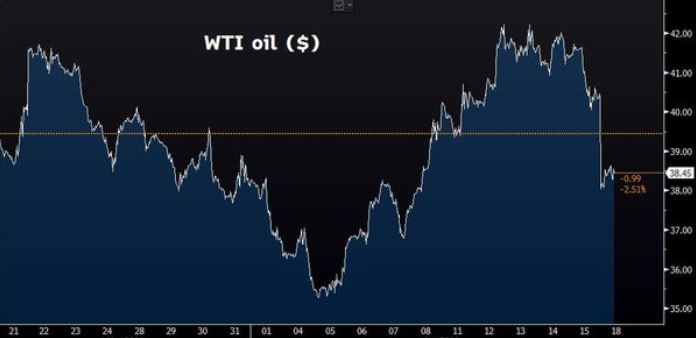
They came. They talked. They talked some more. They failed to reach a deal. And so the turmoil within the global oil industry continues.

I want to tell you a story about a man called Bob. Bob runs a large multinational oil company. His company has just recorded its worst ever record loss of $6.5 billion. He has sacked some 7,000 workers, ruining lives and ripping up livelihoods. His company has suffered a torrid, horrible year. His share price fell 13 per cent over the last year. His competitors all did much better.

“Do we really care so little about the Earth on which we live that we don’t wish to protect one of its greatest wonders from the consequences of our behaviour?”
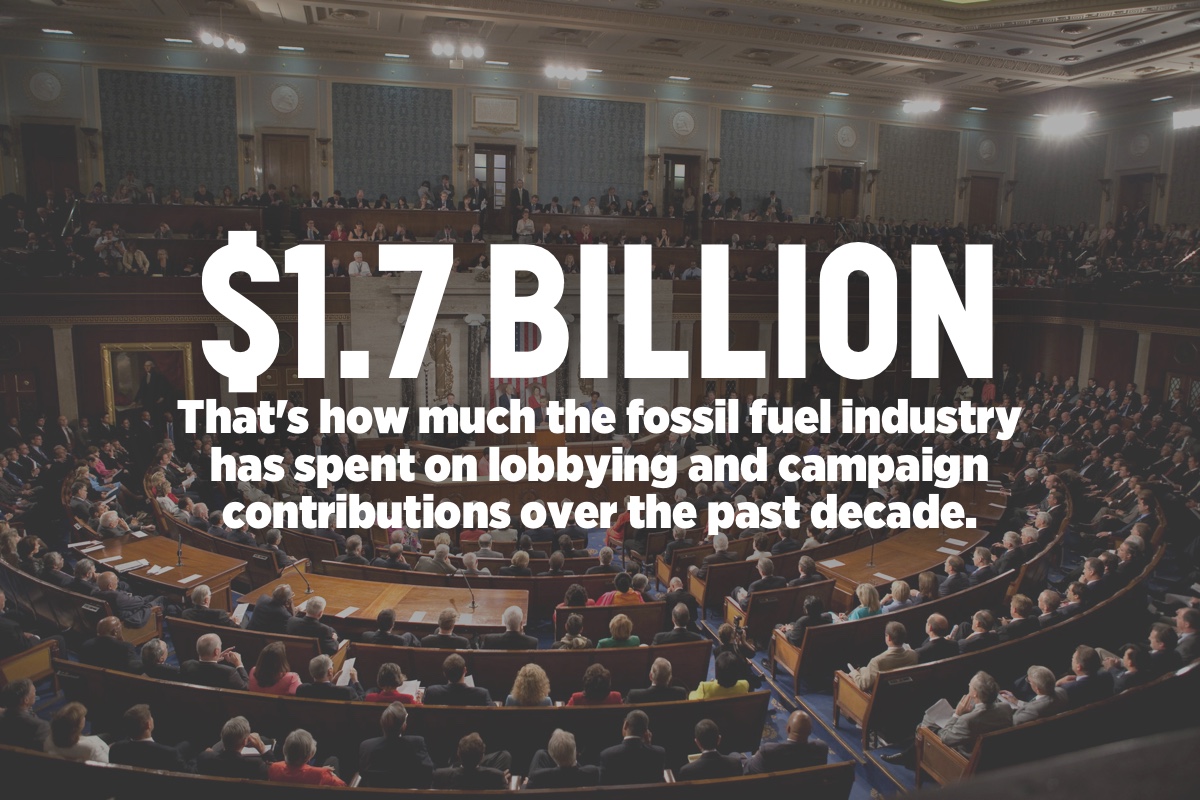
Over the past decade, companies like Koch Industries, ExxonMobile, and Chevron have given millions to our elected officials. All told, combining lobbying dollars and campaign contributions, the fossil fuel industry has spent over $1.7 BILLION trying to get their way since 2005.