
Skip to content
Oil Change International | Data Driven, People Powered. Oil Change International | Data Driven, People Powered.
  • About
    • Our Work
    • Values
    • Team
    • Jobs at OCI
    • Ways to Give
  • Program Areas
    • Africa
    • Asia
    • North Sea
    • United States
    • Global Industry
    • Global Public Finance
    • Global Policy
  • Latest
    • Blog
    • Podcast
    • Press Releases
    • Shell Shocked Land
  • Press Releases
  • Publications
Donate
  • Get Updates
    • Share on Bluesky Share on Bluesky Bluesky (opens in a new window)
    • Share on Twitter Share on Twitter Twitter (opens in a new window)
    • Share on Instagram Share on Instagram Instagram (opens in a new window)
    • Share on LinkedIn Share on LinkedIn LinkedIn (opens in a new window)
    • Share on Facebook Share on Facebook Facebook (opens in a new window)
Donate
  • About
    • Our Work
    • Values
    • Team
    • Jobs at OCI
    • Ways to Give
  • Program Areas
    • Africa
    • Asia
    • North Sea
    • United States
    • Global Industry
    • Global Public Finance
    • Global Policy
  • Latest
    • Blog
    • Podcast
    • Press Releases
    • Shell Shocked Land
  • Press Releases
  • Publications
    • Get Updates
    • Share on Bluesky Bluesky
    • Share on Twitter Twitter
    • Share on Instagram Instagram
    • Share on LinkedIn LinkedIn
    • Share on Facebook Facebook
Go to OCI Homepage
Published: February 19, 2007

Industry Sees its Future in Harmful Heavy Oil
  • Latest from OCI
  • Blogs listing
  • Industry Sees its Future in Harmful Heavy Oil
    • Oil Oil industry Oil Shale tar sands

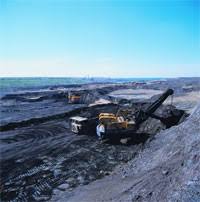
All the world’s extra oil supply is likely to come from expensive and environmentally damaging unconventional sources within 15 years, according to a detailed study by oil consultants, Wood Mackenzie.

They have calculated that the world holds 3,600bn barrels of unconventional oil and gas reserves in Canadian oil sands and Venezuela’s Orinoco tar belt that needs a lot of energy to extract.

So far only 8 per cent of that has begun to be developed. However only 15 per cent of the 3,600bn is heavy and extra-heavy oil, with the rest being even more challenging and more energy intensive to produce.

The study makes clear the shift could come sooner than many people in the industry had expected, as major conventional oil fields decline. “It becomes unclear beyond 2020 that conventional oil will be able to meet any of the demand growth,” Wood Mackenzie said. The report added that natural gas products such as liquids and condensate would also become important sources of growth.

The increasing reliance on unconventional oil will require a substantial reshaping of the oil industry, notes the Financial Times. Shell, Total, Exxon and Chevron, are all investing heavily in Canada and Venezuela. Others – including Chinese energy groups – are looking at the possibility of extracting heavy oil from Madagascar.

Oil Change International | Data Driven, People Powered.
Donate Get Updates
Back to the top
  • Keep in touch

  • Oil Change International
    714 G St. SE, #202
    Washington, DC 20003
    United States

    +1.202.518.9029

    [email protected]

    • Share on Bluesky Bluesky (opens in a new window)
    • Share on Twitter Twitter (opens in a new window)
    • Share on Instagram Instagram (opens in a new window)
    • Share on LinkedIn LinkedIn (opens in a new window)
    • Share on Facebook Facebook (opens in a new window)
  • Quick links

  • About OCI
  • Our Values
  • Jobs at OCI
  • Ways to Give
  • Media Centre

  • Publications
  • Press
  • Associated websites

  • Big Oil Reality Check
  • Energy Finance Database
  • Permian Climate Bomb
  • Site map
  • Privacy policy

Copyright © 2026 Oil Change International. Web design by Fat Beehive