
Tipping the Scales: G20 & MDB Clean Energy Finance Overtakes Fossil Fuel Finance
Clean Energy Finance Overtakes Fossil Fuels for the First Time, but G20 Governments and Development Banks Still Fund Fossil Fuel Lock-In
Oil Change International publishes upwards of 20 reports and briefings every year focused on supporting the movement for a just phase-out of fossil fuels.
Clean Energy Finance Overtakes Fossil Fuels for the First Time, but G20 Governments and Development Banks Still Fund Fossil Fuel Lock-In
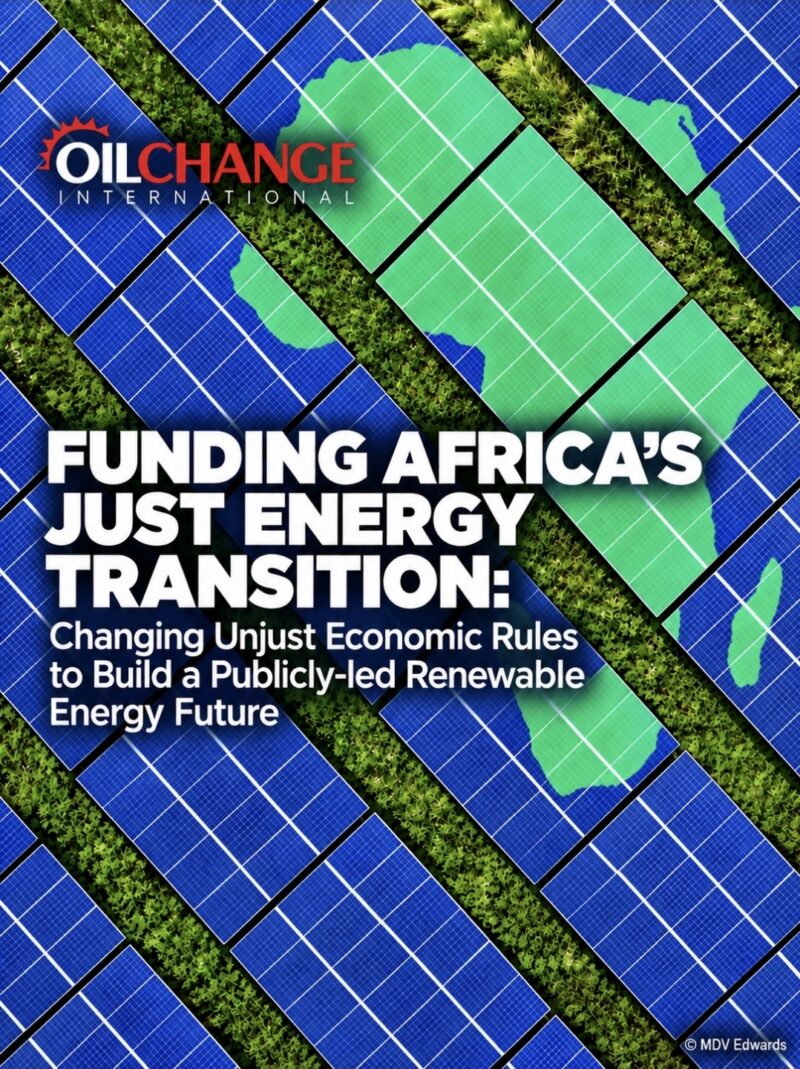
This briefing examines the structural barriers that constrain finance for Africa’s just energy transition, including high borrowing costs, debt pressures, unequal access to international public finance, limitations in blended finance, and global tax and financial rules that continue to constrain African economies.
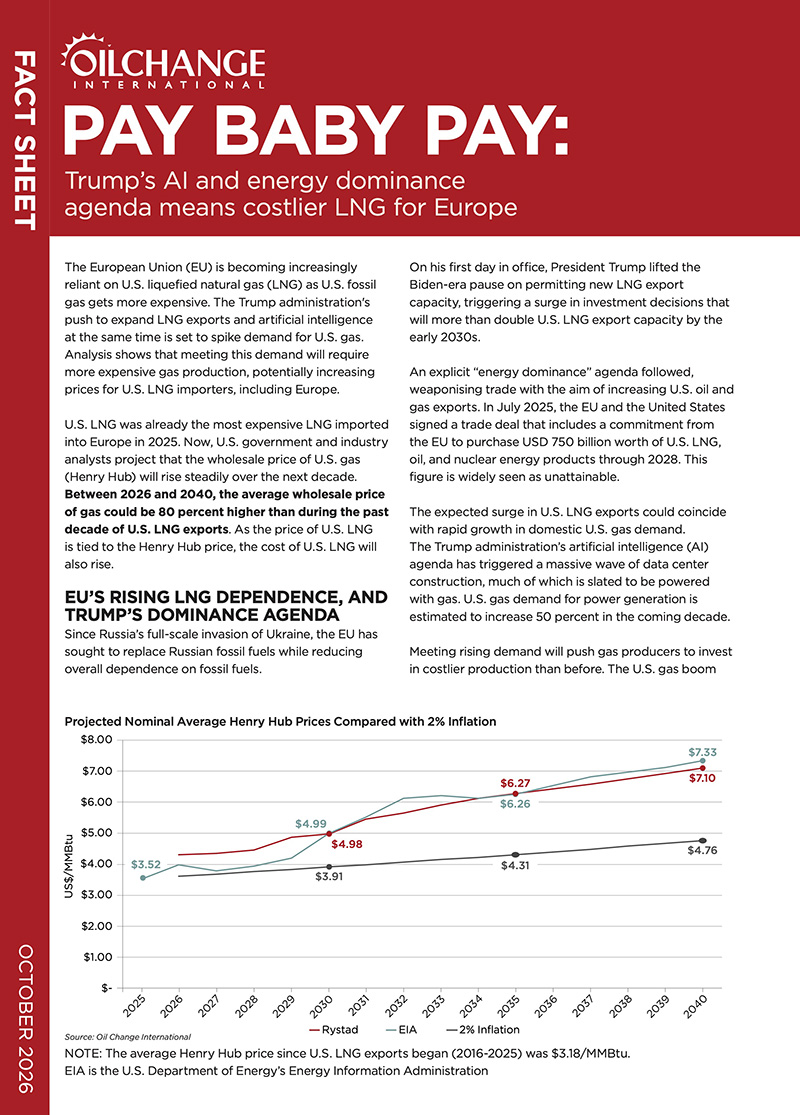
The European Union is becoming increasingly reliant on U.S. liquefied natural gas even as U.S. fossil gas gets more expensive.
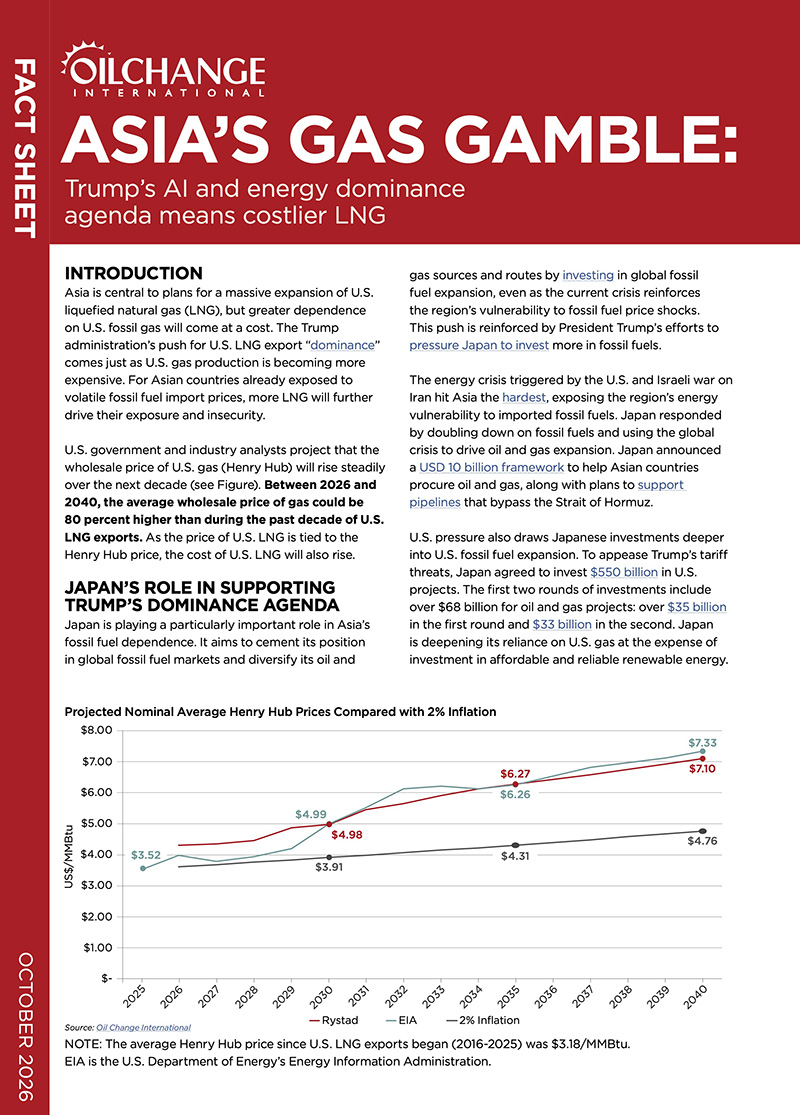
Asia is central to plans for a massive expansion of U.S. liquefied natural gas (LNG), but greater dependence on U.S. fossil gas will come at a cost.
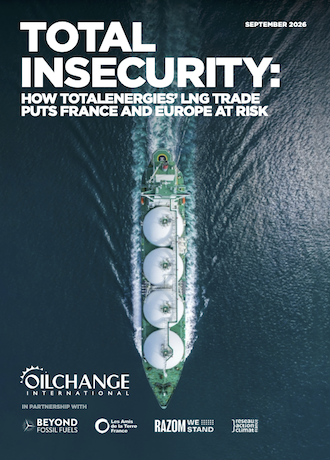
French oil giant TotalEnergies’ LNG into Europe risks European security, affordability, and climate goals. Total has imported three times as much LNG to Europe than any other company in recent years, and most of that LNG comes from the US and Russia. Europe’s best path to achieving security, affordability, and climate goals is to equitably phase out fossil fuels, accelerate energy efficiency, and transition to renewable energy.
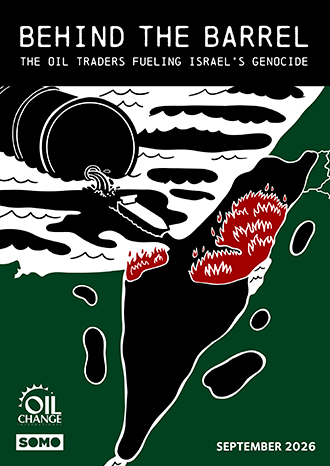
Research by Oil Change International (OCI) and Centre for Research on Multinational Corporations (SOMO), supported by Data Desk, reveals how two little-known private companies have become important traders of crude oil to Israel.
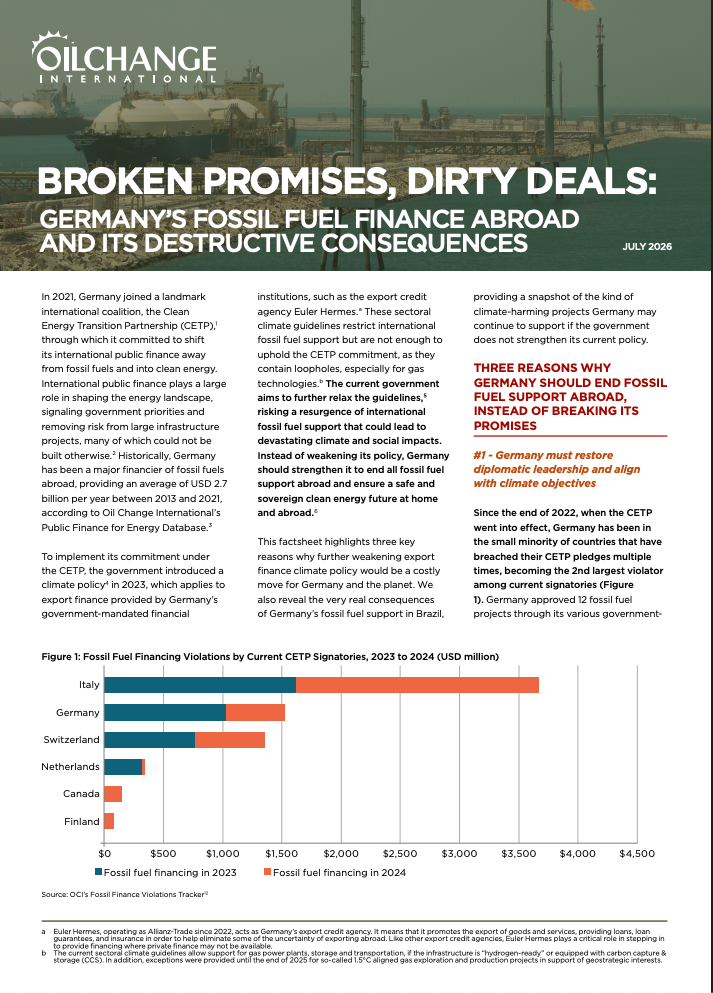
This factsheet highlights three key reasons why further weakening export finance climate policy would be a costly move for Germany and the planet. We also reveal the very real consequences of Germany’s fossil fuel support in Brazil, providing a snapshot of the kind of climate-harming projects Germany may continue to support if the government does not strengthen its current policy.
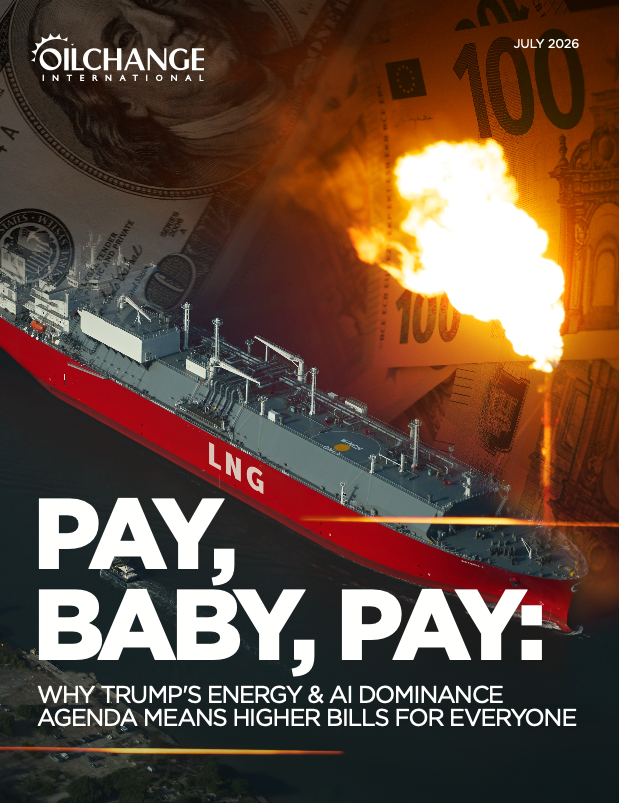
Working people are already getting hammered by high energy costs. Our new report finds that the Trump admin’s energy + AI “dominance” policies + hostility to renewables will make it even harder for them to pay their bills.
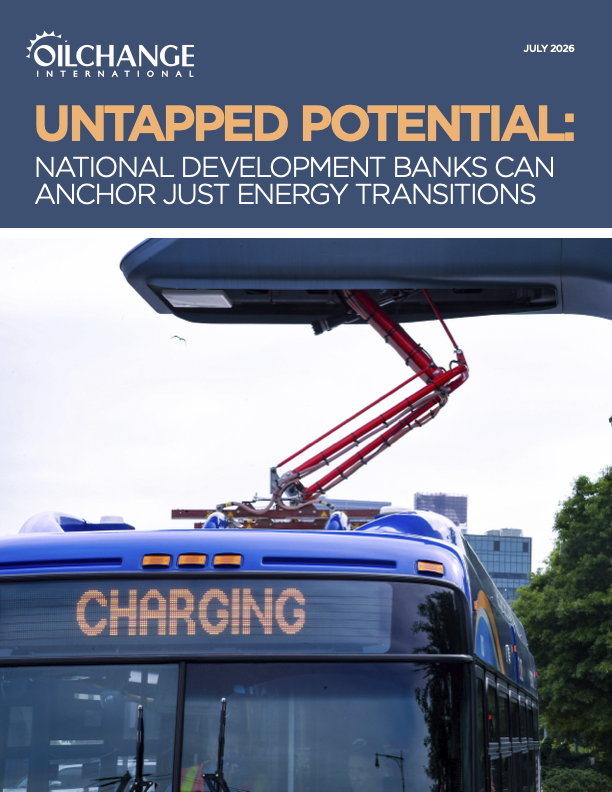
Untapped Potential: National Development Banks Can Anchor Just Energy Transitions, draws on a first-ever comprehensive dataset of G20 national development bank energy finance and shows how governments could redirect billions more toward a just energy transition. This briefing highlights how NDBs have unique tools to steer economies through just, affordable, and country-led energy transitions.
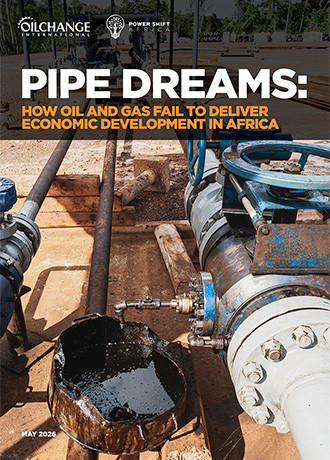
The report draws on evidence from 13 producing countries in Africa and finds that decades of extraction have failed to reduce poverty or drive economic growth, and instead are lining the pockets of an elite few.