
Skip to content
Oil Change International | Data Driven, People Powered.
  • About
    • Our Work
    • Values
    • Team
    • Jobs at OCI
    • Ways to Give
  • Program Areas
    • Africa
    • Asia
    • North Sea
    • United States
    • Global Industry
    • Global Public Finance
    • Global Policy
  • Latest
    • Blog
    • Podcast
    • Press Releases
    • Shell Shocked Land
  • Press Releases
  • Publications
Donate
  • Get Updates
    • Bluesky (opens in a new window)
    • Twitter (opens in a new window)
    • Instagram (opens in a new window)
    • LinkedIn (opens in a new window)
    • Facebook (opens in a new window)
Donate
  • About
    • Our Work
    • Values
    • Team
    • Jobs at OCI
    • Ways to Give
  • Program Areas
    • Africa
    • Asia
    • North Sea
    • United States
    • Global Industry
    • Global Public Finance
    • Global Policy
  • Latest
    • Blog
    • Podcast
    • Press Releases
    • Shell Shocked Land
  • Press Releases
  • Publications
    • Get Updates
    • Share on Bluesky Bluesky
    • Share on Twitter Twitter
    • Share on Instagram Instagram
    • Share on LinkedIn LinkedIn
    • Share on Facebook Facebook
Go to OCI Homepage
Published: June 20, 2007

The Shrinking Superior
  • Latest from OCI
  • Blogs listing
  • The Shrinking Superior
    • Climate impacts extreme energy Oil

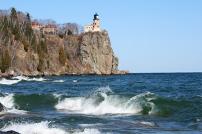
Lake Superior, largest of the Great Lakes and the world’s largest freshwater reservoir, has fallen to its lowest level in 81 years. Its decline is being seen as evidence of the effect that climate change is having on the North American continent.

The lake is a foot and a half below its long-term average. The last time it was this low was in 1926. Falling water levels mean that once-floating boat docks are high and dry, cargo vessels are severely restricted, hydroelectric power is curtailed and lakeshore ecology is changing fast.

Researchers at the University of Minnesota have measured an average temperature rise of 4.5F since 1979. The warmer water is evaporating faster and holding less ice in winter. For the first time in living memory, the ice and snow that usually covers the lake by early December arrived late last year.

Oil Change International | Data Driven, People Powered.
Donate Get Updates
Back to the top
  • Keep in touch
  • Oil Change International
    714 G St. SE, #202
    Washington, DC 20003
    United States

    +1.202.518.9029

    [email protected]

    • Bluesky (opens in a new window)
    • Twitter (opens in a new window)
    • Instagram (opens in a new window)
    • LinkedIn (opens in a new window)
    • Facebook (opens in a new window)
  • Quick links
  • About OCI
  • Our Values
  • Jobs at OCI
  • Ways to Give
  • Media Centre
  • Publications
  • Press
  • Associated websites
  • Big Oil Reality Check
  • Energy Finance Database
  • Permian Climate Bomb
  • Site map
  • Privacy policy
  • Accessibility statement

Copyright © 2026 Oil Change International. Web design by Fat Beehive