Carbon capture is a false climate solution

Today, Norway is far from being on track with its climate goals. Neither the current government nor previous governments have presented credible plans for climate cuts in Norway that are in line with the 1.5-degree target. Instead, the Norwegian response has, for decades, been to rely largely on the purchase of carbon credits to outsource emissions cut in other countries, rather than on real transformation in Norway.

The government’s major flagship policies for climate reduction are technological solutions such as carbon capture and storage (CCS), and climate targets are largely dependent on the success of the various carbon capture projects. Yet there has been very little debate in the Norwegian public about how this technology actually works, and what potential risks it poses.

On these pages, we attempt to draw attention to some of the negative aspects of carbon capture and storage, and attempt to explain why no more subsidies should be given to the oil industry’s favorite measure.

Carbon capture cannot solve the climate crisis

The Mongstad fiasco in Norway is the norm worldwide and the vast majority of carbon capture projects have been postponed or abandoned. Carbon capture is failing and cannot cut anywhere near enough emissions to help meet climate goals on time. The IPCC ranked carbon capture as the most expensive and least effective measure to meet climate targets by 2030.

Norway has already given the largest per capita subsidies for carbon capture in the world, but Norwegian carbon capture policy has set unrealistic goals that cannot be achieved and it’s no surprise that Equinor recently dropped new carbon capture projects globally.

Read more

Carbon capture is a cloak for the oil industry

Globally, most existing carbon capture projects today, and most of those planned, have energy production from oil and gas as their goal. Although the carbon captured by Norway’s carbon capture initiative is not intended to be used to increase oil production in Norway, there have been a number of previous proposals to produce “blue hydrogen” (produced from gas and combined with carbon capture).

Carbon capture is greenwashing that prolongs the life of oil and gas companies; they receive new subsidies, while society and future generations are left with the responsibility for permanent carbon storage. Carbon capture is thus not just a crutch for climate policy, but a diversionary tactic for fossil energy and polluting industries.

Read more
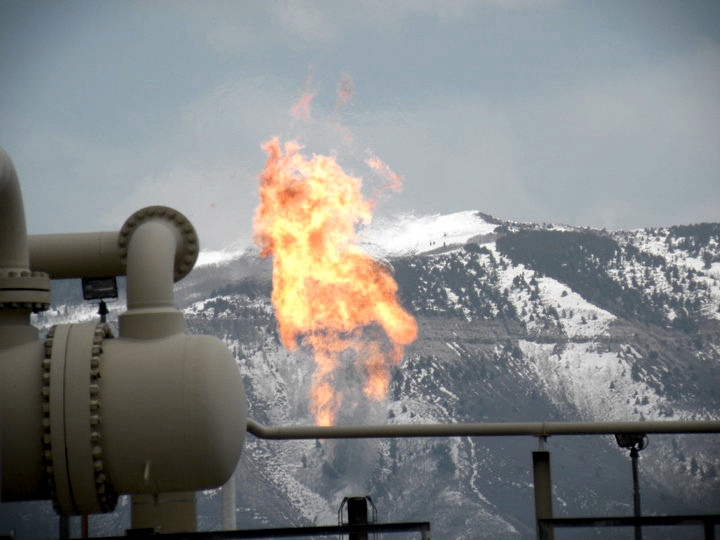
A plume of methane being vented into the air.

Carbon capture poses risks to people and nature

Carbon storage requires interventions in nature for infrastructure and measures intended to prevent carbon from leaking out. Future generations will once again be left with a dangerous waste problem created in our time.

Carbon capture can also pose risks to people. Although there are few carbon capture projects in the world, there have been leaks from carbon dioxide pipes that led to poisoning accidents. Carbon capture technology could have other negative consequences for society.

Read more

There are better measures than carbon capture

Carbon capture is not a relevant measure for Norway’s largest emission sources (oil extraction and transport), and most industries will manage to cut emissions without carbon capture.

Fortunately, there are good solutions, also within sectors where it is argued that carbon capture is inevitable. For both cement and waste incineration, the most important measures are those that reduce consumption, and instead promote more sustainable materials, reuse and recycling, which will have more positive ripple effects for society and nature.

Carbon capture does not need, and should not be allocated, even more subsidies. Norwegian climate policy must focus more on a real and fair climate transition away from oil and gas, and towards measures that really work.

Read more