Chad Orders Oil Firms to Quit
 Chad has become the latest country to expel foreign companies operating in its country, after the country’s president kicked energy giants Chevron and Petronas, out of a World Bank-backed project. Ironically, Chad-Cameroon pipeline project was meant to serve as a model for oil extraction in Africa.
The President, Idriss Déby accused the American and Malaysian companies of failing to pay £240m in taxes and ordered them to leave the country. Déby has said that Chad would assume the companies’ production responsibilities along with the main consortium partner, ExxonMobil.
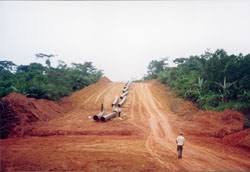
The decision, which is widely viewed as an attempt by the government to control its oil output, is the latest setback for the controversial £2.6bn Chad-Cameroon pipeline project. Despite Chad’s reputation for endemic corruption and opposition from human rights groups, the World Bank agreed in 2000 to back and partly finance a 620-mile pipeline that would run through Cameroon to the Atlantic coast.
In return, Chad’s government agreed to use most of the oil revenues – estimated at more than £3.5bn over 25 years – to alleviate poverty. Soon after the pipeline opened in 2003 Mr Déby started accusing the oil firms of viewing the deal as “an opportunity to plunder Chad’s resources”.
Chevron denied yesterday that it owed back taxes, while Malaysia’s prime minister, Abdullah Ahmad Badawi, said the state-owned firm would not have knowingly underpaid taxes.
“We are engaged in a battle for the economic sovereignty of Chad,” Deby said last week. “My decision is risky, but I have taken it at whatever cost.”