
Skip to content
Oil Change International | Data Driven, People Powered.
  • About
    • Our Work
    • Values
    • Team
    • Jobs at OCI
    • Ways to Give
  • Program Areas
    • Africa
    • Asia
    • North Sea
    • United States
    • Global Industry
    • Global Public Finance
    • Global Policy
  • Latest
    • Blog
    • Podcast
    • Press Releases
    • Shell Shocked Land
  • Press Releases
  • Publications
Donate
  • Get Updates
    • Bluesky (opens in a new window)
    • Twitter (opens in a new window)
    • Instagram (opens in a new window)
    • LinkedIn (opens in a new window)
    • Facebook (opens in a new window)
Donate
  • About
    • Our Work
    • Values
    • Team
    • Jobs at OCI
    • Ways to Give
  • Program Areas
    • Africa
    • Asia
    • North Sea
    • United States
    • Global Industry
    • Global Public Finance
    • Global Policy
  • Latest
    • Blog
    • Podcast
    • Press Releases
    • Shell Shocked Land
  • Press Releases
  • Publications
    • Get Updates
    • Share on Bluesky Bluesky
    • Share on Twitter Twitter
    • Share on Instagram Instagram
    • Share on LinkedIn LinkedIn
    • Share on Facebook Facebook
Go to OCI Homepage
Current Affairs
Published: June 05, 2008

Going backwards, further and faster…
  • Latest from OCI
  • Blogs listing
  • Going backwards, further and faster…
    • Canada Current Affairs Oil oil and gas production tar sands
Andy Rowell

When not blogging for OCI, Andy is a freelance writer and journalist specializing in environmental issues.

[email protected]

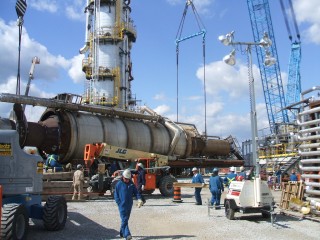
Happy World Environment Day! Not so in America, though. It may be the most polluting and dirty oil on the planet, but American refiners are tripping over themselves to make investments to dramatically increase imports from Alberta’s oil sands.

Figures released yesterday show that the oil industry is spending about $53 billion to expand or modify refineries in order to exploit oil sands.

U.S. refineries are planning to expand their capacity by 1.6 million barrels a day, and some two-thirds of that is designated to handle oil sands production, according to data from the U.S. Environmental Protection Agency.

As well, refiners are planning to convert 800,000 barrels a day of current capacity from conventional crude to handle the Alberta imports, the EPA figures show.

“It is hard to imagine what else it is that the U.S. oil industry could do to go backwards further and faster than to rely on Canadian tar sands or similar resources in the United States,” argues Eric Schaeffer, director of the Environmental Integrity Project. “Not only would this mean significantly more pollution over all, but it would substantially boost the greenhouse gas emissions linked to global warming.”

Oil Change International | Data Driven, People Powered.
Donate Get Updates
Back to the top
  • Keep in touch
  • Oil Change International
    714 G St. SE, #202
    Washington, DC 20003
    United States

    +1.202.518.9029

    [email protected]

    • Bluesky (opens in a new window)
    • Twitter (opens in a new window)
    • Instagram (opens in a new window)
    • LinkedIn (opens in a new window)
    • Facebook (opens in a new window)
  • Quick links
  • About OCI
  • Our Values
  • Jobs at OCI
  • Ways to Give
  • Media Centre
  • Publications
  • Press
  • Associated websites
  • Big Oil Reality Check
  • Energy Finance Database
  • Permian Climate Bomb
  • Site map
  • Privacy policy
  • Accessibility statement

Copyright © 2026 Oil Change International. Web design by Fat Beehive