
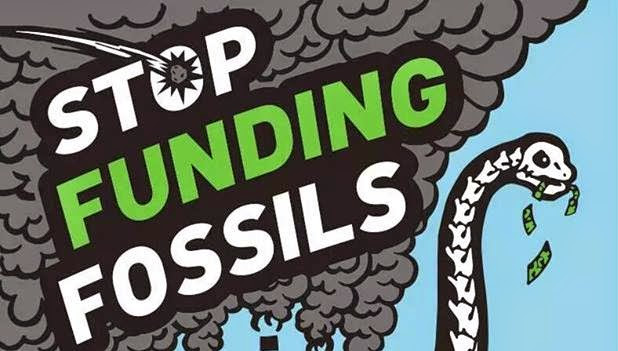
It’s past time for OECD countries to axe support for overseas coal and to #StopFundingFossils
Today – just a few months before landmark climate change negotiation in Paris – a little-known working group within the OECD met to discuss a big issue: should rich countries continue to push dirty coal technologies overseas, or should they finally set some limits on financing climate destruction?
The question is an important one, as a recent analysis by Oil Change International, the Natural Resources Defense Council, and the World Wide Fund for Nature found that the export credit agencies of OECD countries supported $34 billion in coal investments between 2007 and 2014, representing a huge global giveaway to big coal.

With alternatives to coal growing rapidly, and with the world facing an increasingly urgent climate crisis, this should be a no-brainer: can anybody really still believe it’s a good idea for rich countries to give handouts to big coal? Unfortunately, the answer is yes: Japan, Australia, and Korea continue to sully their reputations by arguing for practically no limits on finance for overseas coal.
Surprisingly, Germany – often touted as a climate leader – also deserves a large share of blame for dragging down the European position in these talks, despite leadership from other European countries. France, for example, stood up to heavy industry lobbying just last week and announced that it will maintain a ban on financing overseas coal unless it comes equipped with carbon capture technology.
With the urgency of climate change, we cannot afford to tinker around the edges. Bold action would be talking about how to #stopfundingfossils, and shift all fossil fuel investments by OECD members to green investments. Instead, countries fight over just how much overseas coal rich countries should be able to finance.
The OECD working group that met today kicked the can down the road, taking no decision to limits coal finance, and they look set to meet again in November, just weeks away from the climate change negotiations in Paris – and right around the G20 Leaders Summit. NGOs have already started to organize an international day of action to Stop Funding Fossils on November 14th that can help everyone take action.
It’s time for these countries to stop quibbling over details in the shadows, and take bold action that’s in line with the direction the world is moving. Coal, as one of the world’s dirtiest fuels, is a killer: air pollution from coal power kills millions of people each year – almost six times more than are killed in car accidents – and emissions from coal are also the largest single driver of climate change. Propping up the coal industry using public money is both financially risky and morally wrong. OECD countries – especially Japan, Australia, Korea, and Germany – can and must do better.