
Skip to content
Oil Change International | Data Driven, People Powered.
  • About
    • Our Work
    • Values
    • Team
    • Jobs at OCI
    • Ways to Give
  • Program Areas
    • Africa
    • Asia
    • North Sea
    • United States
    • Global Industry
    • Global Public Finance
    • Global Policy
  • Latest
    • Blog
    • Podcast
    • Press Releases
    • Shell Shocked Land
  • Press Releases
  • Publications
Donate
  • Get Updates
    • Bluesky (opens in a new window)
    • Twitter (opens in a new window)
    • Instagram (opens in a new window)
    • LinkedIn (opens in a new window)
    • Facebook (opens in a new window)
Donate
  • About
    • Our Work
    • Values
    • Team
    • Jobs at OCI
    • Ways to Give
  • Program Areas
    • Africa
    • Asia
    • North Sea
    • United States
    • Global Industry
    • Global Public Finance
    • Global Policy
  • Latest
    • Blog
    • Podcast
    • Press Releases
    • Shell Shocked Land
  • Press Releases
  • Publications
    • Get Updates
    • Share on Bluesky Bluesky
    • Share on Twitter Twitter
    • Share on Instagram Instagram
    • Share on LinkedIn LinkedIn
    • Share on Facebook Facebook
Go to OCI Homepage
Published: November 29, 2006

The Climate Change Time-Bomb
  • Latest from OCI
  • Blogs listing
  • The Climate Change Time-Bomb
    • Climate impacts extreme energy Oil

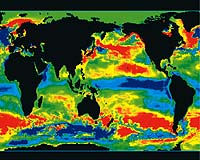
Global Warming is creating a climate time bomb by storing enormous amounts of heat in the waters of the north Atlantic, UK scientists have discovered. Marine researchers at Southampton and Plymouth universities have found that the upper 1,500 metres of the ocean from western Europe to the eastern US have warmed by 0.015C in seven years.

tinuesThe capacity of the oceans to store heat means that a water temperature rise of that size is enough to warm the atmosphere above by almost 9C. Neil Wells, a scientist on the project at the National Oceanographic Centre in Southampton, said: “People might think it doesn’t sound like a big temperature rise but it’s very significant.”
The Southampton and Plymouth study suggests heat stored in the oceans could be released into the atmosphere in future, tempering efforts to stabilise global temperatures with cuts in greenhouse gas emissions.

Oil Change International | Data Driven, People Powered.
Donate Get Updates
Back to the top
  • Keep in touch
  • Oil Change International
    714 G St. SE, #202
    Washington, DC 20003
    United States

    +1.202.518.9029

    [email protected]

    • Bluesky (opens in a new window)
    • Twitter (opens in a new window)
    • Instagram (opens in a new window)
    • LinkedIn (opens in a new window)
    • Facebook (opens in a new window)
  • Quick links
  • About OCI
  • Our Values
  • Jobs at OCI
  • Ways to Give
  • Media Centre
  • Publications
  • Press
  • Associated websites
  • Big Oil Reality Check
  • Energy Finance Database
  • Permian Climate Bomb
  • Site map
  • Privacy policy
  • Accessibility statement

Copyright © 2026 Oil Change International. Web design by Fat Beehive