
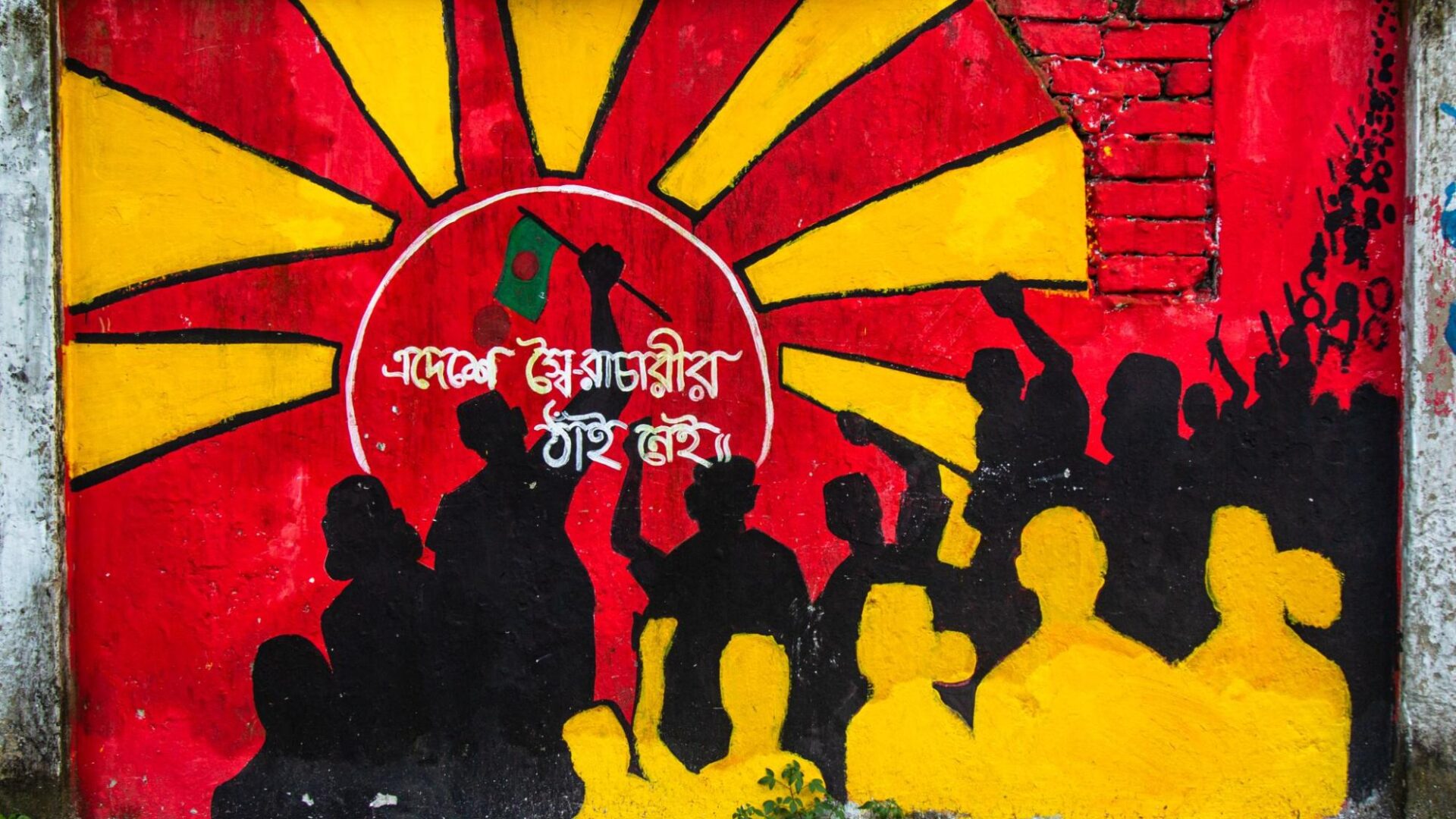
“We cannot go to the sea now.” Massive Japanese fossil fuel project destroys Bangladeshi communities and worsens climate crisis
Japan’s development agency, Japan International Cooperation Agency, destroyed communities & livelihoods in Bangladesh with its $4 billion Matarbari coal power plant. Now they are pushing for gas & other fossil fuel technologies. But local fisherfolk and farmers are standing up to stop fossil expansion.
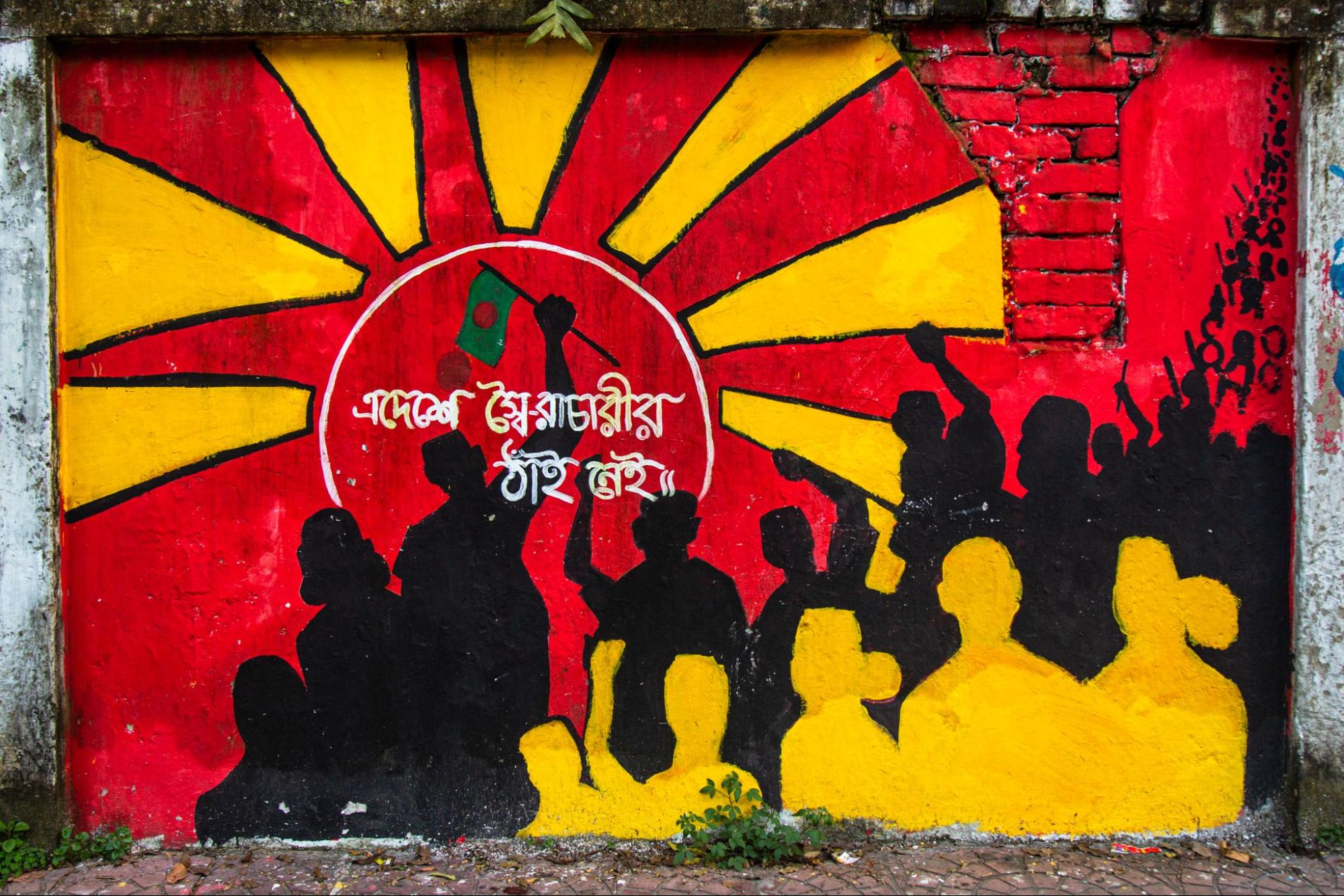 (Photo: Noor Alam)
Last month, Bangladesh’s international crime tribunal sentenced its former prime minister, Sheikh Hasina, to death in absentia for crimes against humanity for the violent response to last year’s student-led revolution. The sentence came a little over a year after the uprising ended her 15-year reign over the country. While some criticized the trial outcome, it has brought some sense of justice for the families of the 1,400 people killed during the revolution.
However, while Sheikh Hasina’s era may have ended, the damage inflicted under her watch continues, particularly in coastal communities such as those in the Moheshkhali division, located some 300 km south of Dhaka. Here, the legacy of her administration’s fossil-fuel agenda, largely financed and supported by the Japan International Cooperation Agency (JICA), continues to ravage people’s livelihoods and local ecosystems.
Japanese-backed fossil fuel development and community destruction
One of the most egregious Japanese development schemes is the Moheshkhali-Matarbari Integrated Infrastructure Development Initiative (MIDI). Conceived in the early 2010s as a collaboration between JICA and the Bangladeshi government under Hasina, MIDI promises to convert peaceful seaside communities into a sprawling industrial and energy hub, including deep-sea port infrastructure and multiple fossil-fuel power plants. Principal among them is the 1,200 MW Matarbari coal power plant, which came online in 2024 with financing from JICA.
The Matarbari coal power plant brought tangible effects: it displaced hundreds of families from their homes. Only after protesting did JICA provide houses for some of these former residents in a settlement across the street from the power plant and its imposing smoke stack.
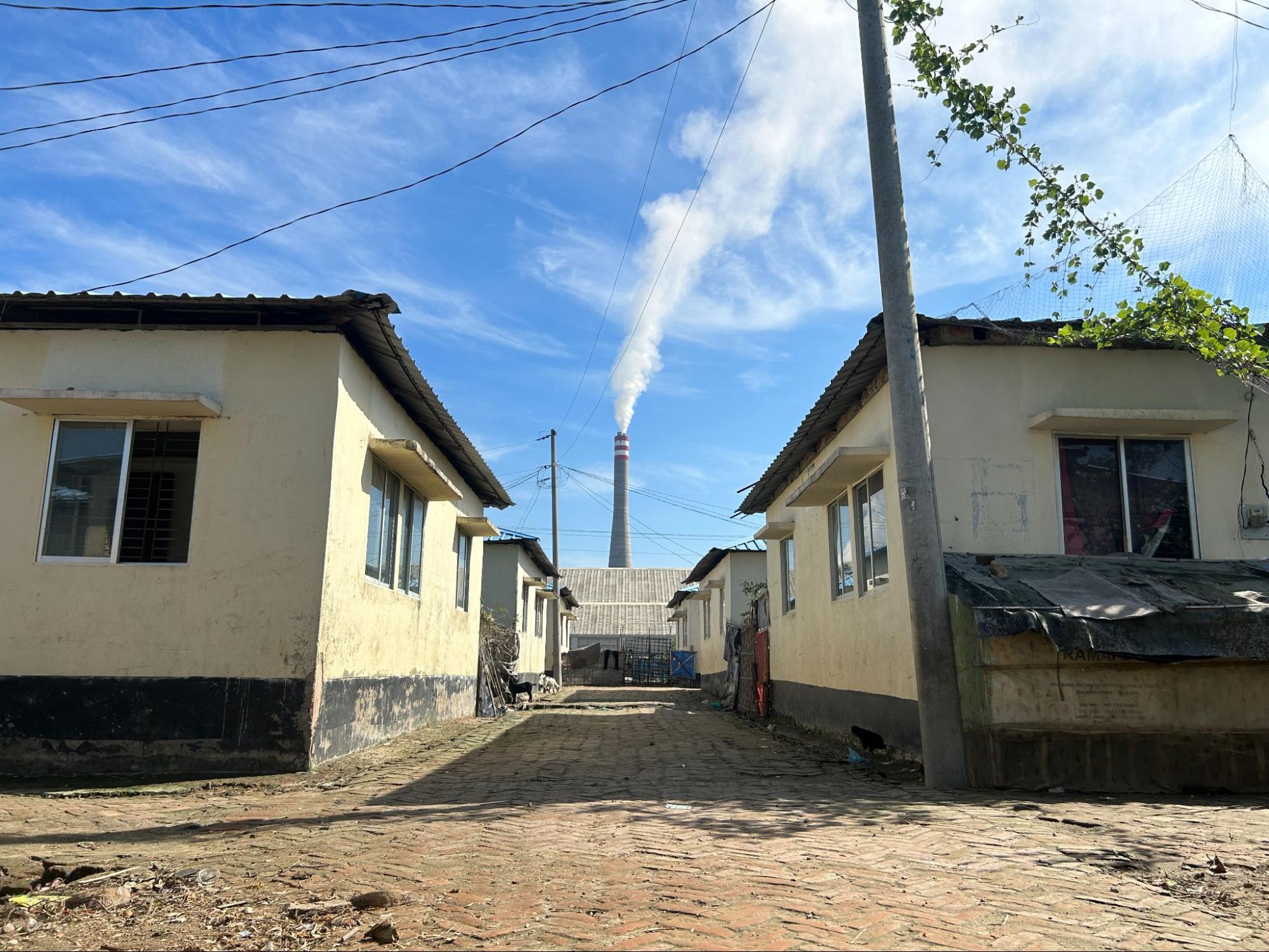 New settlement for around 40 of the families displaced by the Matarbari coal-fired power plant, right across the street from the plant (November 2023). (Photo: Noor Alam)
“They provided a house, but no jobs, and the homes are not the same,” one woman explained through tears. The power plant took over their shrimp and salt farms, leaving these families jobless. The jobs at the power plants? They went to outsiders who were not from the community. In their former homes, households consisted of large families of 5 to 10 members who lived together. The new housing structures force these families to live separately, breaking up families.
“Earlier, we used to do fish farming and salt cultivation. Now it’s all gone. Now there is no other work in Matarbari except the job under the project. Those who have the job can eat, and those who don’t are suffering. It is difficult to survive without a job,” says Humaira, whose family was displaced by the coal project.
On a narrow dirt road next to the power plant, a row of shacks sits facing the beach. 4,000 people used to live on an island across from this beach, home to those now living in the shacks. According to the fisherfolk, the island was destroyed for its sand, which was used to create a wall for the deep-sea port behind the coal power plant. This deep-sea port, also funded by JICA, is part of the MIDI plan. The Japanese government considers its 363 million USD contribution to the port as climate adaptation finance. Local residents and climate groups question the adaptation and resilience benefits of the project, with the development devastating communities and livelihoods in an area already suffering from the impacts of climate change.
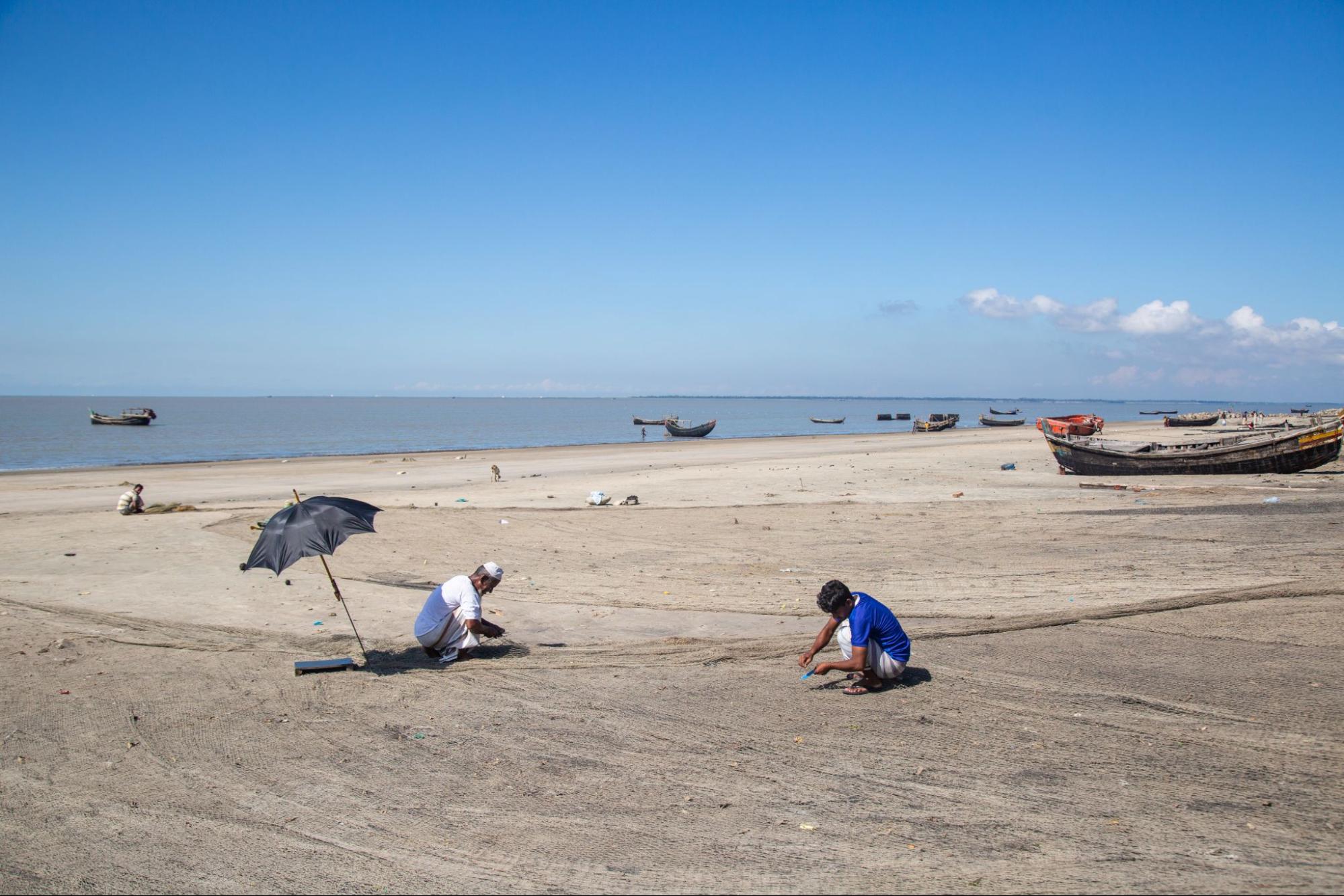 Fisherfolk working next to the Matarbari coal-fired power plant and deep-sea port (November 2023). (Photo: Noor Alam)
Mohammad H., a fisherman from Moheshkhali, shared how the developments affected his livelihood. “We face difficulties catching fish. Earlier, we could catch fish within a 1 to 2 km radius, but now we must go farther to catch fish. We did not get any compensation. Compensation was given to those who had houses inside the project area.”
Another fisherman from Matarbari, Mohammad A., shared, “earlier, we could catch fish near the shore. Now we must go far, but we still can’t catch enough fish. With this, we can’t even afford the oil costs for the boats. Due to this project, the seawater has been polluted. The water from the project flows into the sea, causing itching. So, we cannot go to the sea now.”
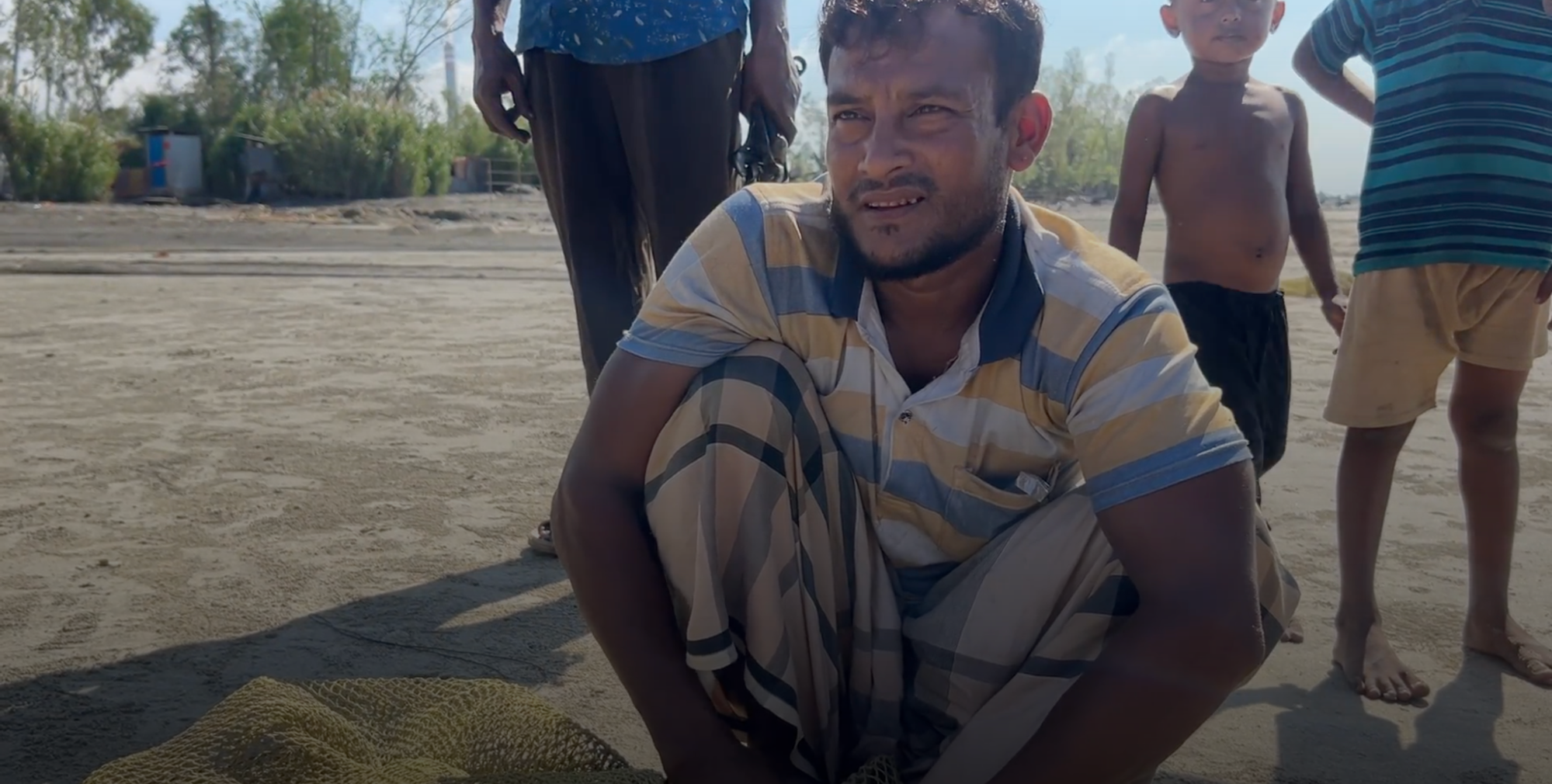 Matarbari fisherman Mohammad A. (Photo: Noor Alam)
When asked if they knew who was behind the developments, one fisherman answered: “I know some countries are involved, but I don’t know who they are. There was never an explanation.”
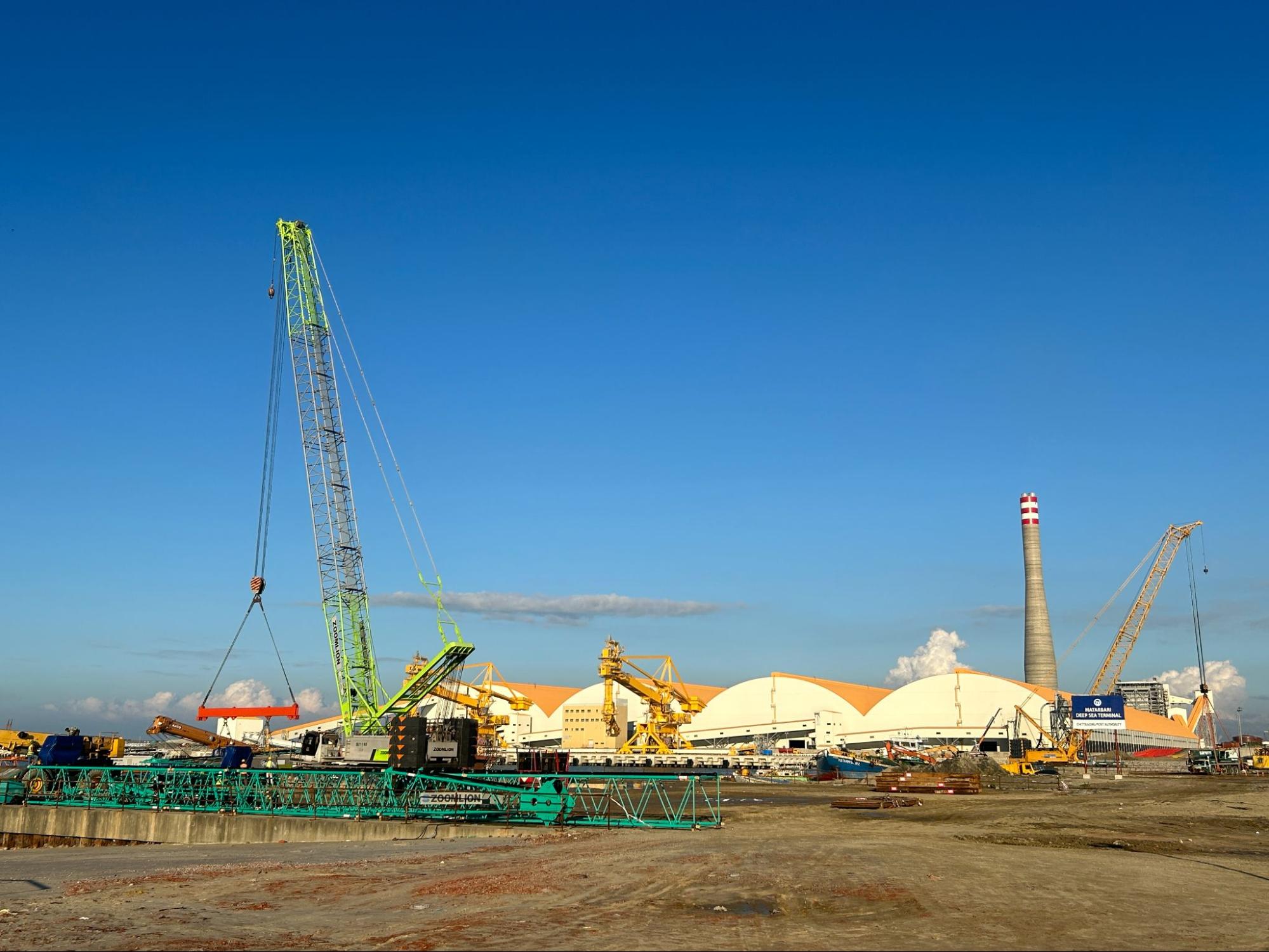 JICA-funded deep-sea port during construction next to the Matarbari coal-fired power plant (November 2023). (Photo: Noor Alam)
JICA’s future energy plans for MIDI
News reports repeatedly cite the Matarbari coal power plant, to which JICA has poured over 4 billion USD in loans, as an example of rich countries like Japan categorizing unrelated development projects as its contribution to “climate finance.” This is preposterous, given that the coal power plant emits 6.8 million tons of CO2 every year. In an area identified to have very high climate vulnerability, developing more fossil fuel projects and worsening the climate crisis seems cruel. But that is exactly what MIDI aims to do.
As part of its MIDI plan, JICA continues to push for a fossil fuel buildout in the area, including a 13GW LNG thermal power plant, which the Japan Center for a Sustainable Environment and Society (JACSES) argues is planned based on excessive energy demand forecasts. JACSES also highlights the inconsistency of the gas plant’s capacity with Bangladesh’s Integrated Energy and Power Master Plan (IEPMP). The power master plan, also drafted by JICA, was challenged by the Bangladeshi Supreme Court in December 2024 for its heavy reliance on fossil fuels and fossil fuel-based technologies.
Yuki Tanabe, Programme Director of JACSES, says, the power master plan “is designed for maximizing profits of Japanese companies, and simply a scheme for Japan in trying to resell their surplus LNGs to Asian Countries.”
Based on JACSES’ analyses, the MIDI energy plans could unfold along 5 pathways, all of which (except for the no-development pathway) involve either gas or coal power and fossil-fuel-based technologies such as ammonia co-firing and carbon capture and storage (CCS).
A sixfold increase in power capacity – half remain idle
Under Sheikh Hasina, installed power generation capacity increased sixfold between 2009 and 2024, but half of the current installed capacity of 27,645 MW remains idle. The government greenlit projects through the Speedy Supply of Power and Energy Special Act of 2010, which allowed projects to bypass processes and oversight. The current interim government overturned the Act, but the damage has been done, with projects and energy plans fast-tracked under the Hasina administration.
Mehedi Hasan of Coastal Livelihood and Environmental Action Network (CLEAN Bangladesh) calls Bangladesh’s current situation “the creation of its flawed energy policy. It’s an additional burden created for the people by corrupt politicians, in addition to the climate threat.” If Bangladesh continues to pursue a gas buildout, the country may face gas scarcity and risk of stranded assets, in addition to further community and ecosystem destruction.
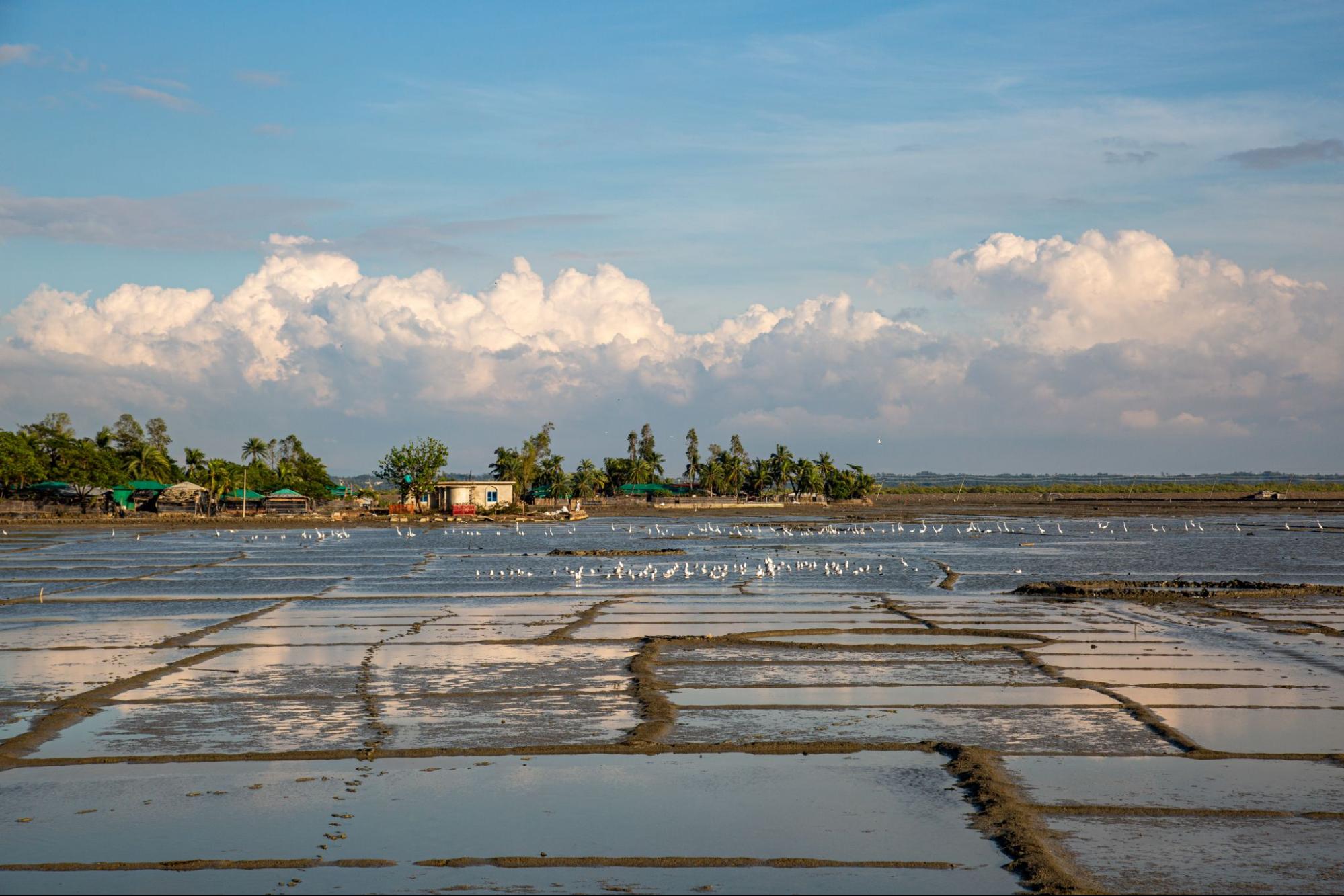 The shrimp and salt farms neighboring the Matarbari coal-fired power plant that could turn into a gas power plant site (November 2023). (Photo: Noor Alam)
JICA caught in a web of corruption
Not surprisingly, considering the lack of oversight of energy projects that advanced under the former government, several corruption cases around the Matarbari coal power plant emerged after the interim government took over. The Bangladesh Anti-Corruption Commission filed cases against the former director of the power project and the former managing director of Coal Power Generation Company Bangladesh Ltd (CPGCBL). With pressure from civil society organisations like JACSES to stop disbursing remaining loan payments for the project, JICA is demanding answers from the Bangladeshi government.
The lack of transparency and consultation in building the Matarbari coal power plant destroyed the environment and livelihoods, while corrupt leaders and businesses profited from the project. Continuing the MIDI project without consulting local communities and energy experts may lead to further destruction. To avoid more harmful developments, civil society groups are calling on JICA to conduct frequent information disclosure and consultation with affected communities to ensure appropriate implementation of compensation for affected residents.
Communities are pushing back
Despite the scale of the devastation, coastal communities have not given up. Between June and September 2025, civic platform Dhoritri Rokhhay Amra (DHORA) organized gatherings in rural councils across Cox’s Bazar Division — mobilizing salt and betel leaf farmers, fisherfolk, and displaced residents to demand justice, meaningful compensation, and a halt to new destructive projects. The people demanded fair and just initiatives to mitigate the impacts of climate change and fossil fuel development on the lives and livelihoods of coastal communities.
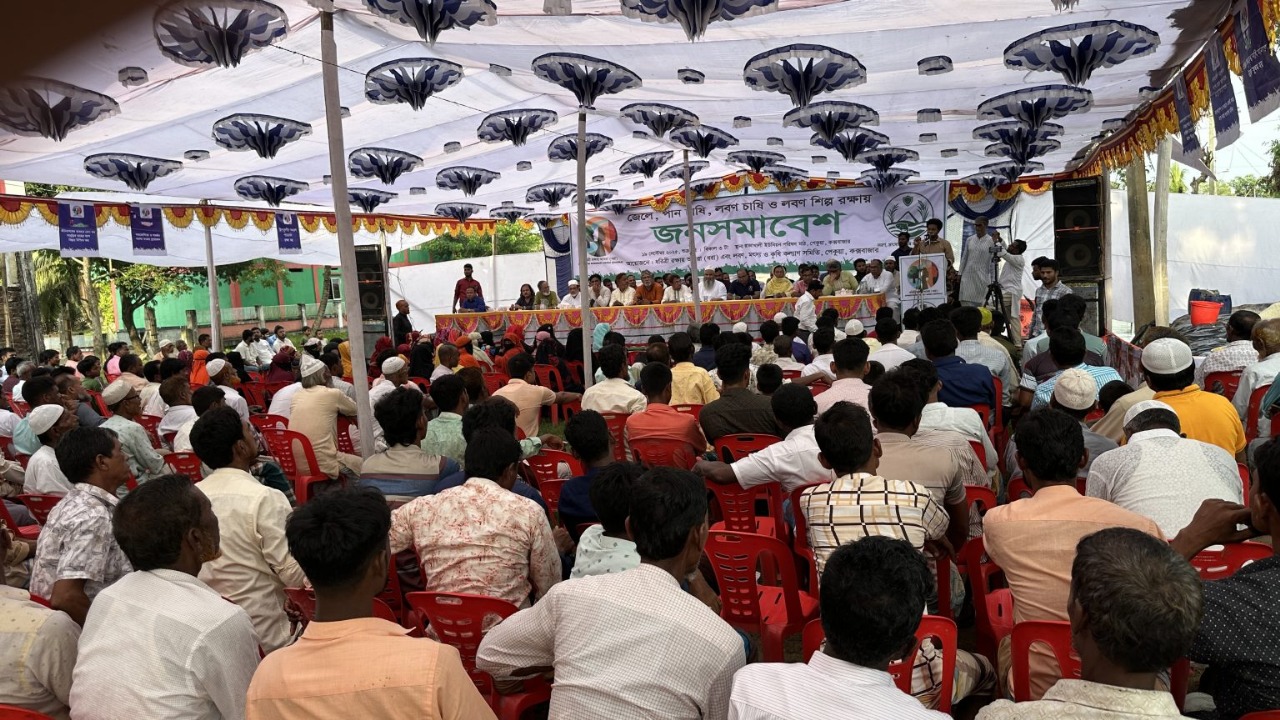 Public gathering of salt farmers and betel leaf farmers in September 2025 organized by DHORA. (Photo: DHORA)
Sharif Jamil, Member Secretary of DHORA, spoke at one gathering, calling out “the blueprint for the eviction of salt farmers through the establishment of polluting projects like gas.” He demanded that the interim government ensure “a transparent, science-based and inclusive strategic environmental assessment is conducted” and to “stop the establishment of all heavy industries.”
Community leaders plan to continue convenings to stop further destructive projects through MIDI. Japanese agencies and corporations should heed the demands of Bangladesh’s civil society and end their support for fossil fuel expansion.
Additional resources on MIDI:
-
- JACSES Fair Finance Guide Japan briefing on MIDI: JICA support for 13GW LNG power expansion in Bangladesh – MIDI Masterplan inconsistent with the Paris Agreement
- Fossil Free Chattogram factsheet on MIDI: Moheshkhali-Matarbari Integrated Infrastructure Development Initiative (MIDI)
- JICA’s MIDI report: MIDI Strategic Vision Development and Economic Impact Analysis
- JACSES Fair Finance Guide Japan briefing on Bangladesh’s master energy plan (IEPMP): JICA supported energy master plan in Bangladesh, soaked in fossil fuels and not aligned with the Paris Agreement