
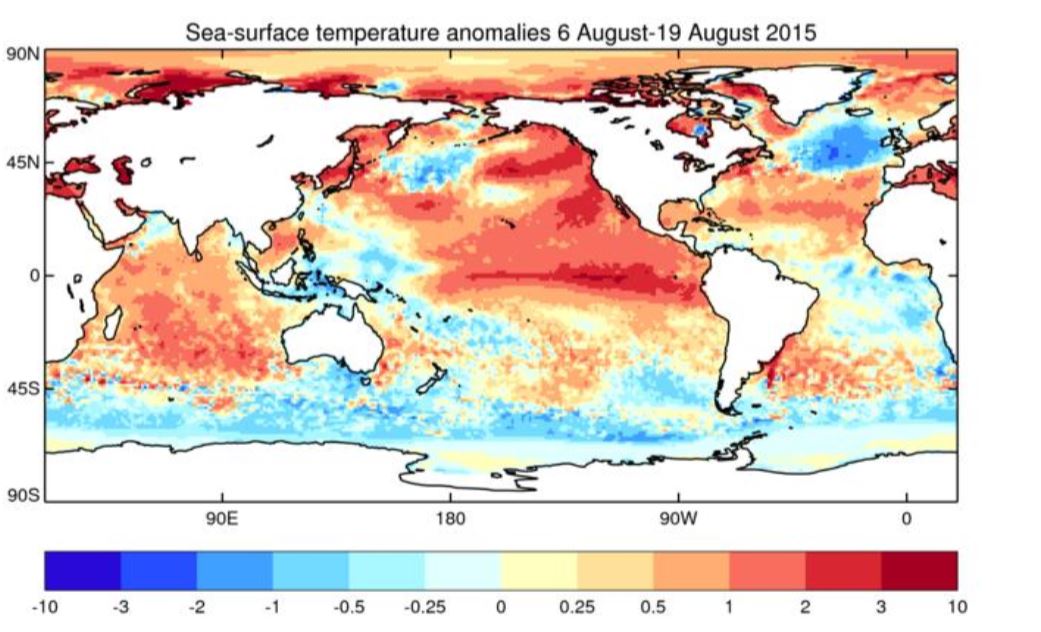
2015 & 2016 “to be Hottest on Record”
In the run up to the crucial UN climate talks in Paris in December, it goes with saying that the climate sceptics and deniers will be out in force trying to scupper any meaningful potential deal.
Read the latest insights and analysis from the experts at Oil Change International.
In the run up to the crucial UN climate talks in Paris in December, it goes with saying that the climate sceptics and deniers will be out in force trying to scupper any meaningful potential deal.
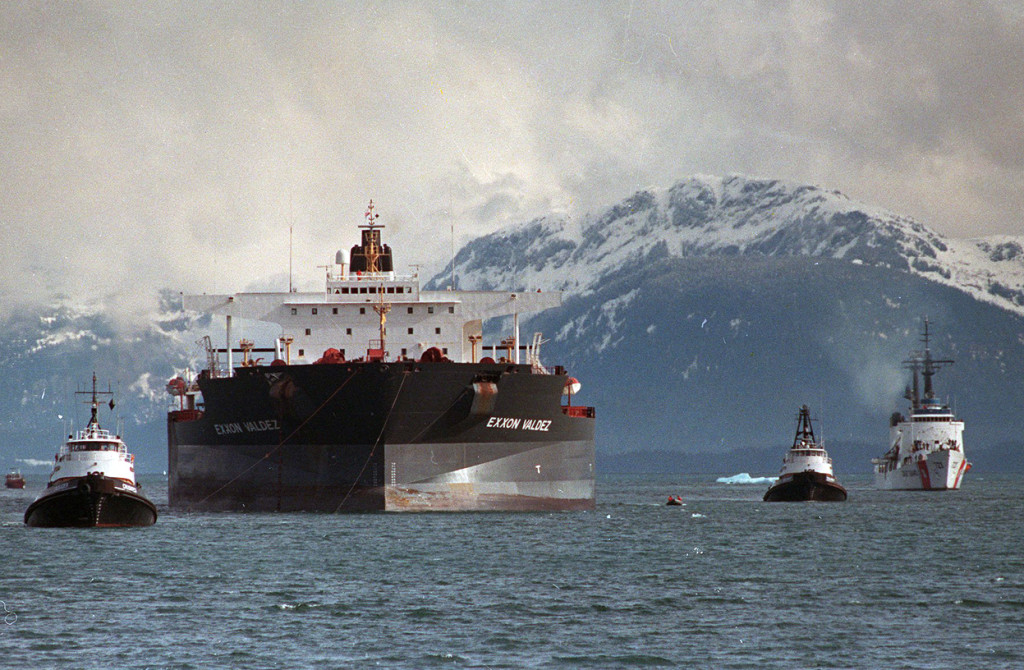
There are many contradictions about Shell’s Arctic misadventure to drill for oil, but three are the most striking: Firstly the company is spending billions of dollars and risking the reputation of the company on oil that can never be burnt.
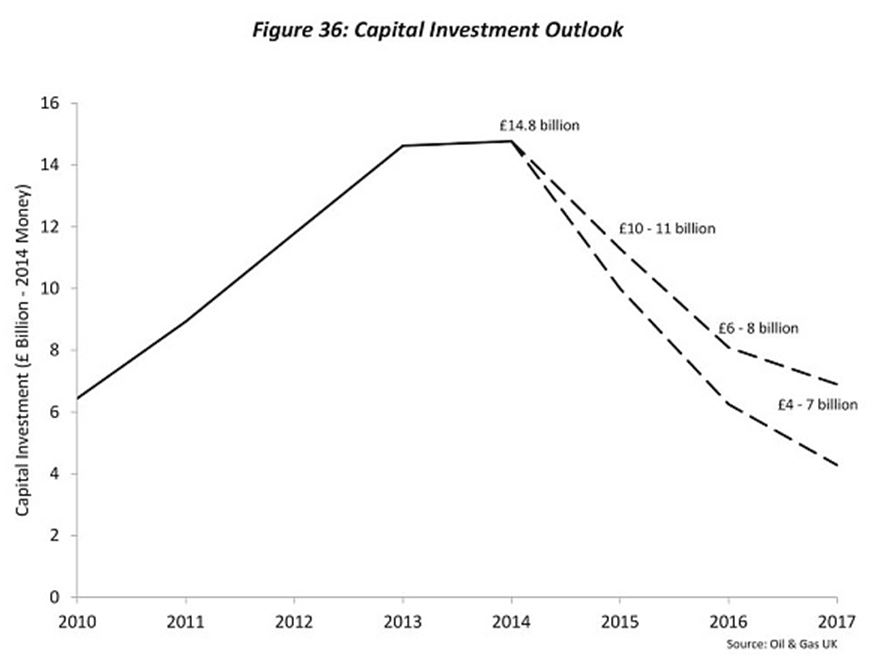
The low price is affecting more mature areas of production too and nowhere is that more so than the British North Sea.
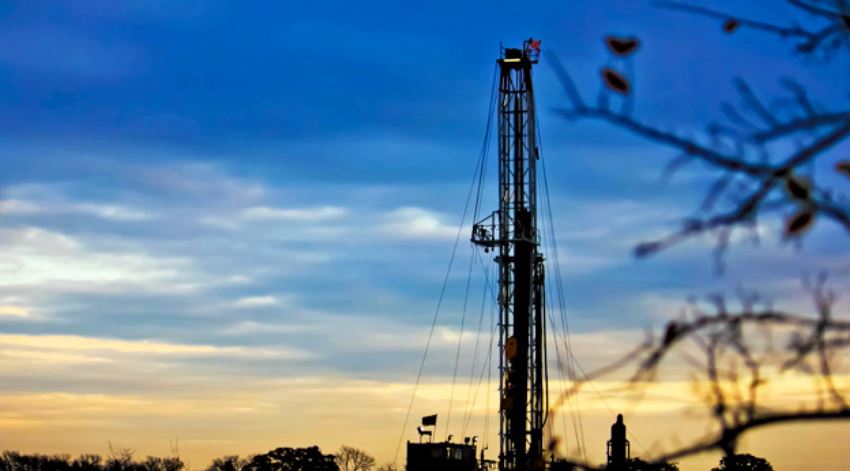
The US shale revolution is slowly grinding to a halt as the continuing low oil price takes its toll on the viability of fracking in the country.
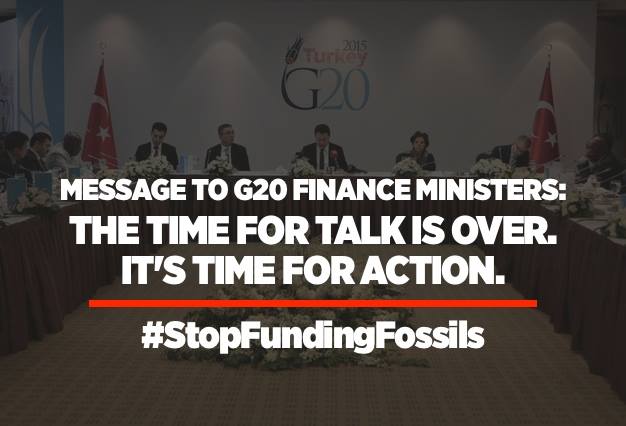
G20 leaders first pledged to end fossil fuel subsidies back in 2009. Almost six years later, and despite reiterating that vow each and every year, they have precious little to show for it.
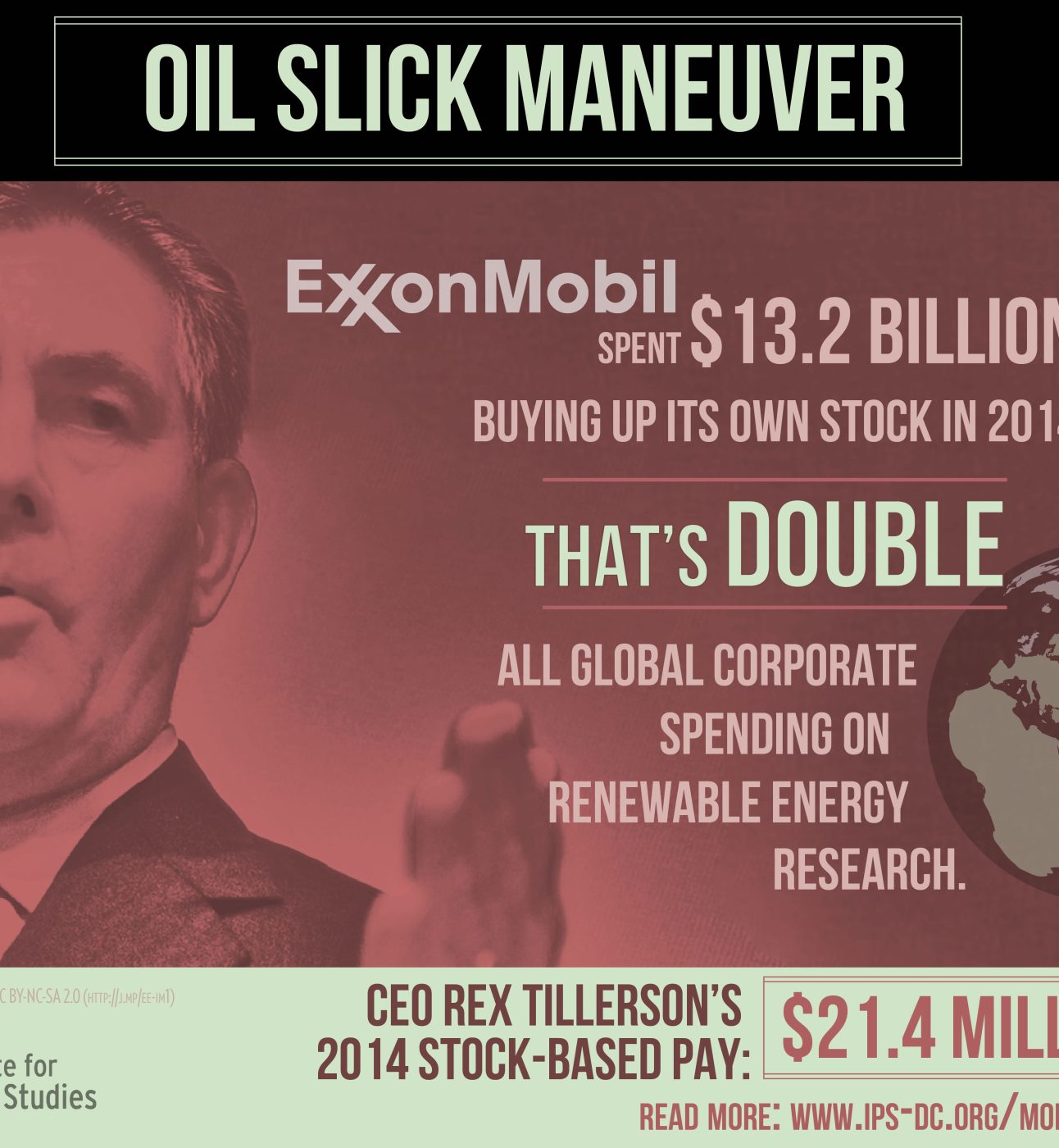
A report by the Institute for Policy Studies (IPS) reveals that fossil fuel bosses are receiving “stratospheric” levels of pay to explore and produce oil which we cannot afford to burn if we are to avoid catastrophic climate change.
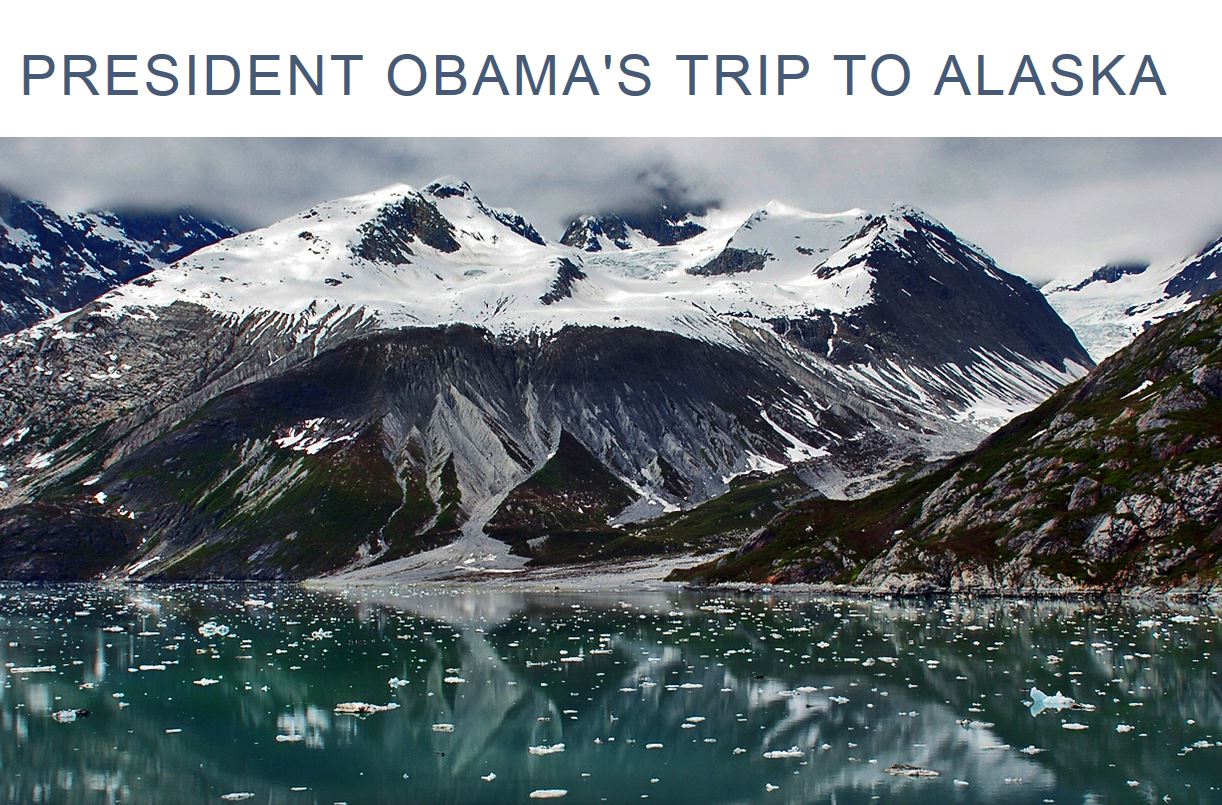
President Obama’s Arctic tour continues to make global news. Yesterday Obama, who has become the first President to visit the Alaskan Arctic, warned that “Climate change is no longer some far-off problem; it is happening here, it is happening now.”
On Monday, President Obama and Secretary Kerry are going to Alaska. Their main goal (as we talked about here) is to see the front lines of climate change first hand. Yet at the same time, in the same region, Royal Dutch Shell is now powering ahead with its newly approved summer 2015 drilling season.