
Blog
Read the latest insights and analysis from the experts at Oil Change International.

Shale May be the “Unexpected Loser” in Clean Power Plan
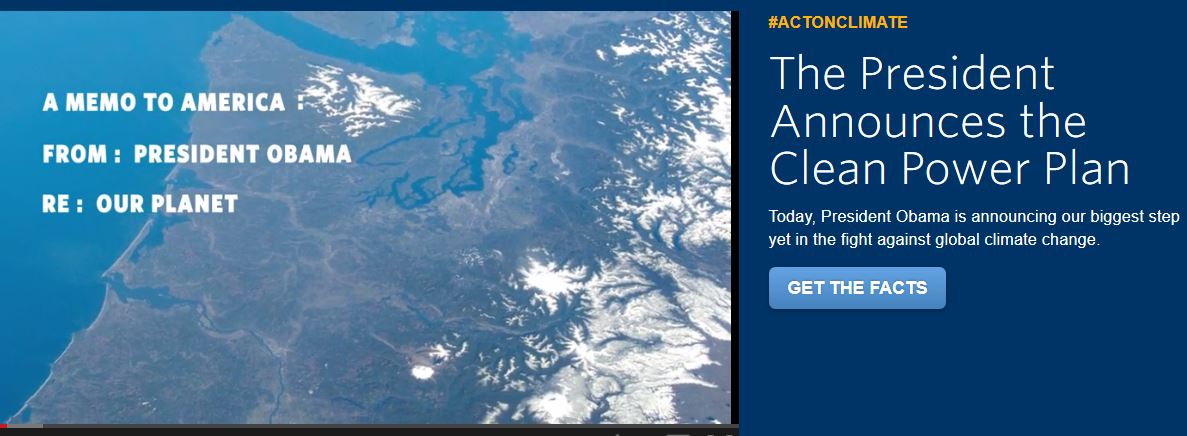
President Obama yesterday unveiled what is the centre piece of his climate legacy, as his long awaited Clean Power Plan was outlined in a ceremony at the White House.
UK Told to Frack or “End Up a Living Museum”
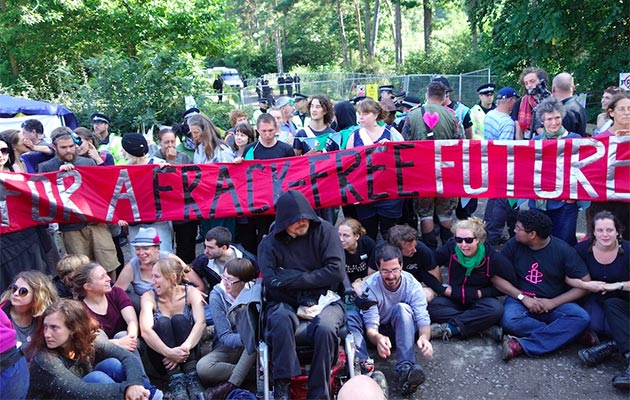
The fracking debate in the UK is set to intensify this week, with press reports that the British government is set to announce the winners of a whole raft of new licenses that could see up to half the country opened up to fracking.
Power to the People: A Week of Action and Remembrance
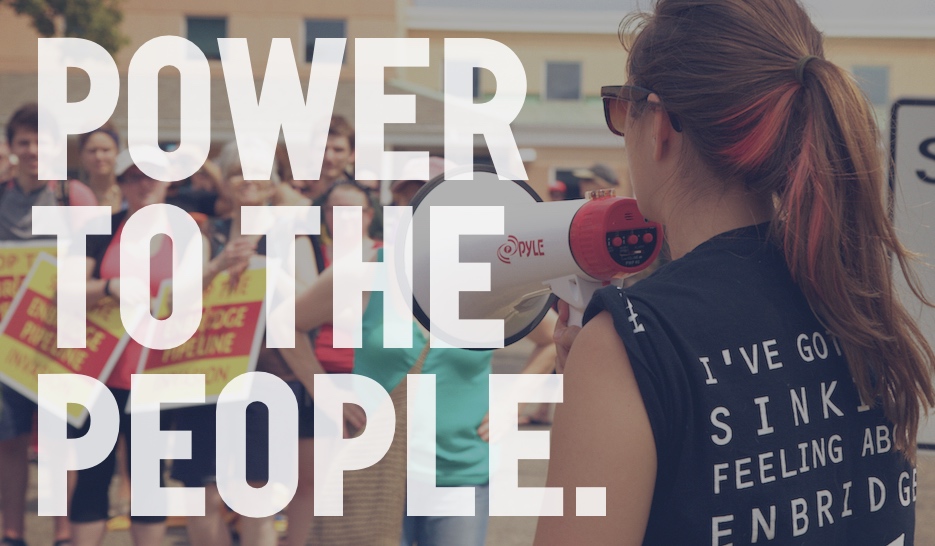
This past week has been beyond inspiring – a lot needs to change and people everywhere are making it happen. I was lucky enough to take part in and support a small slice of what’s been taking place.
26 Greenpeace Climbers Say #ShellNo
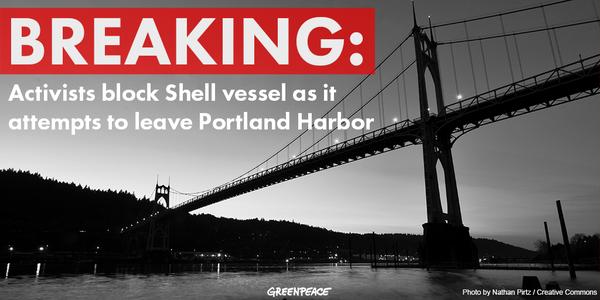
This morning under the cover of darkness, 26 Greenpeace climbers scaled the St. Johns Bridge in Portland and rappelled over the side.
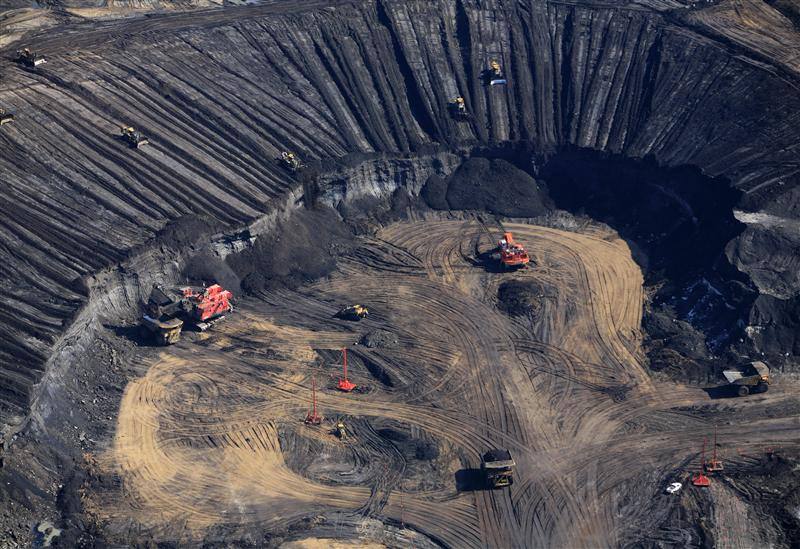
“Double Dip” Oil Plunge Gets “Ugly” For The Tar Sands
Those in the oil industry hoping for a reprieve from the volatility of the oil price had their hopes dashed yesterday as the price of oil dropped to its lowest level in four months.
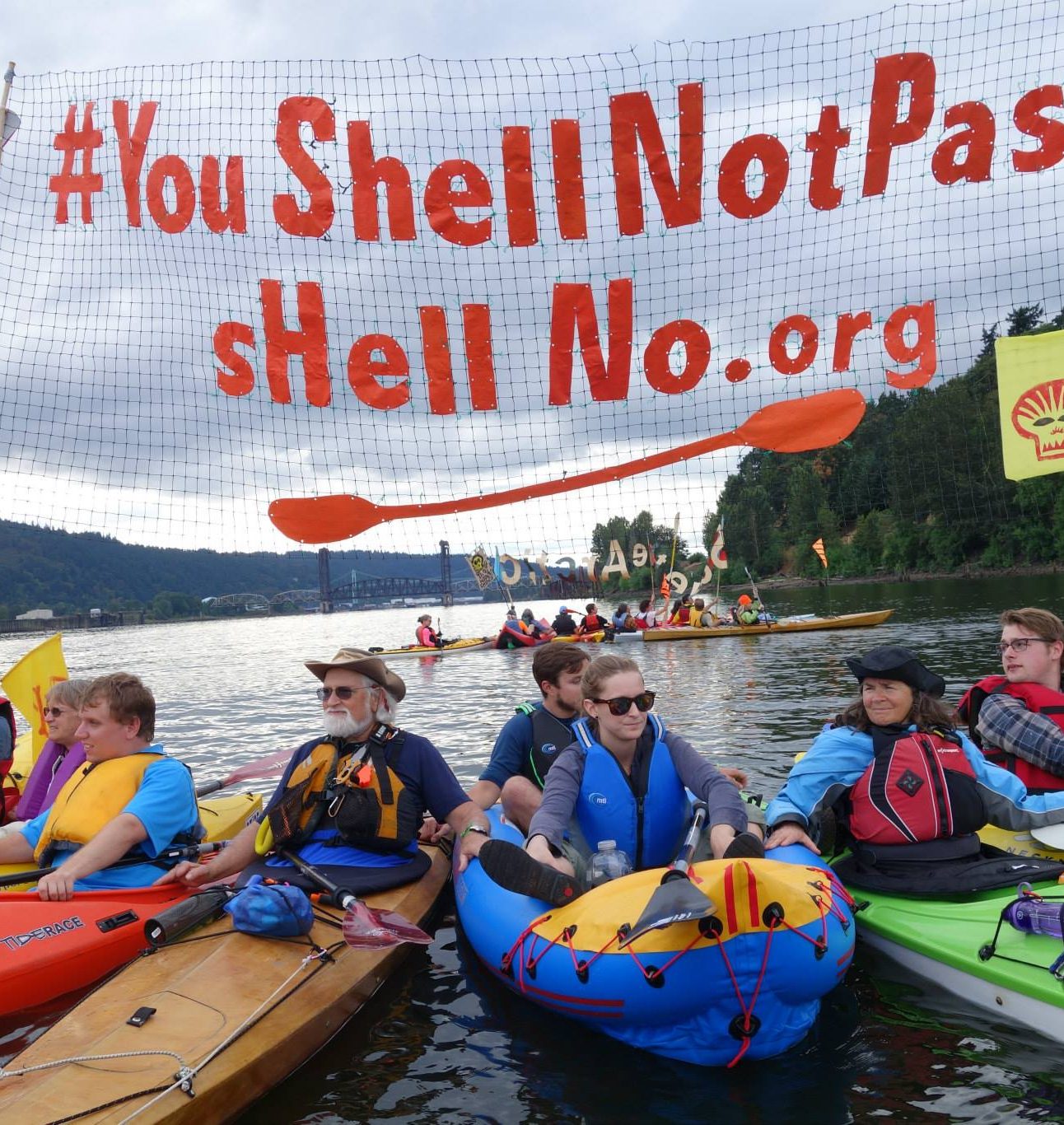
Kayaktivists Greet Shell’s Damaged Ship in Portland
About 75 "kayaktivists" activists protested against Shell’s Arctic drilling on Saturday afternoon, holding a peaceful on-the-water rally against the company's ill-judged activities.
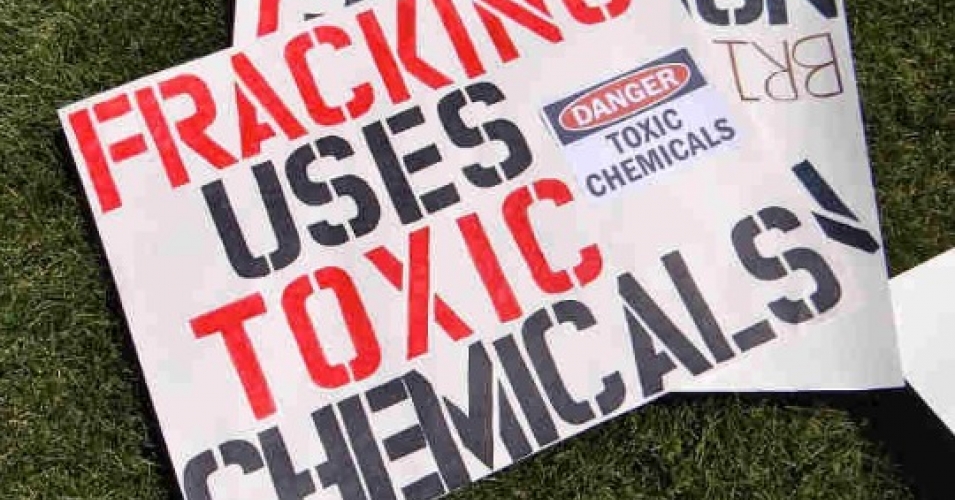
Fracking “Goes on Trial”
Just as the British Government slashes subsidies for solar power and gears up to open up large swathes of the countryside to fracking, a coalition of human rights lawyers and academics have announced an international tribunal to put fracking “on trial”.
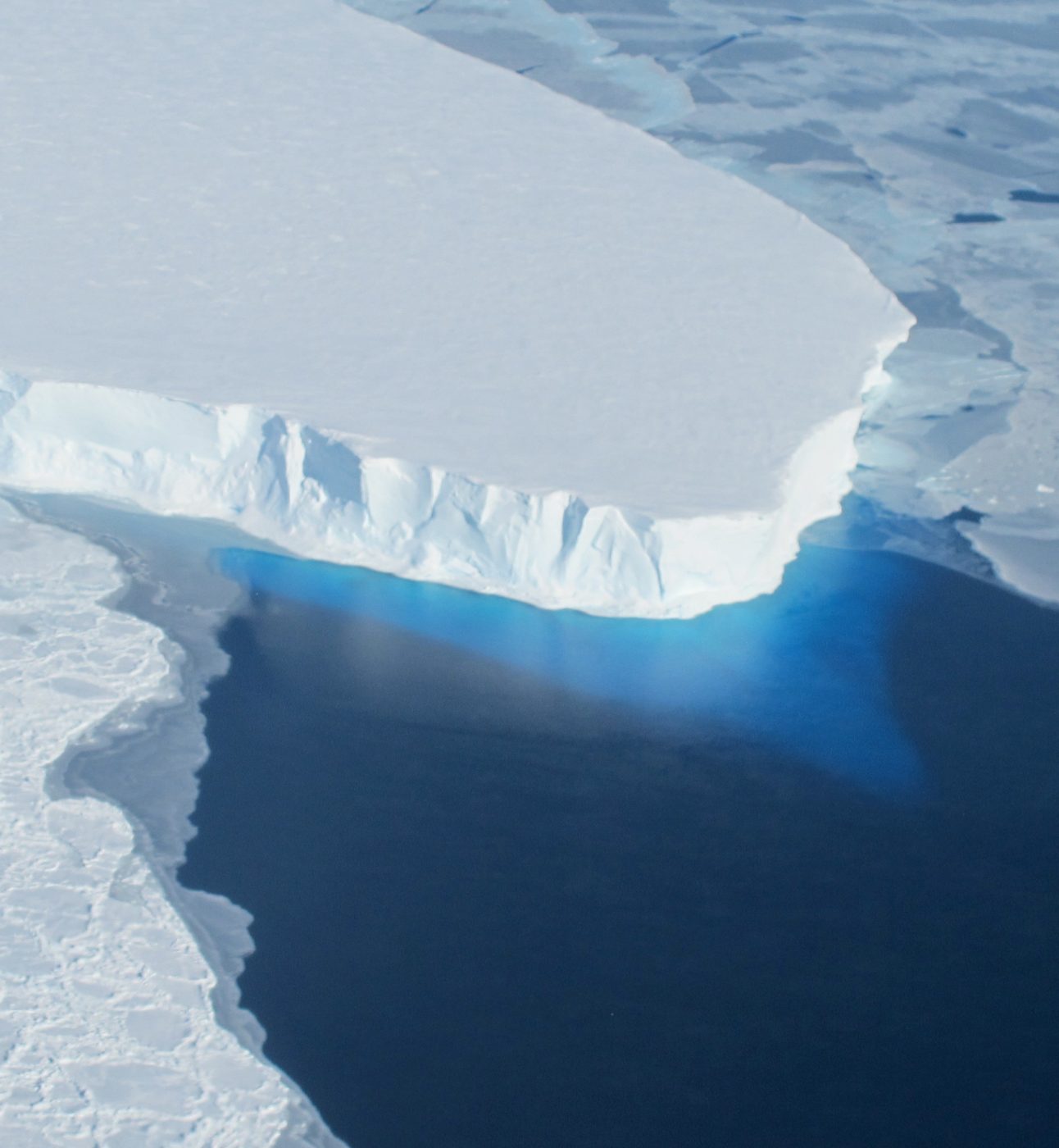
Father of Climate Science Issues Dire Warning About Sea-Level Rise
If there is one name synonymous with climate science it is Dr. James Hansen, seen as the Godfather of the science. It was Hansen, the former NASA scientist, who famously told Congress back in 1988 to “stop waffling” because “the greenhouse effect is here and is affecting our climate now.”