
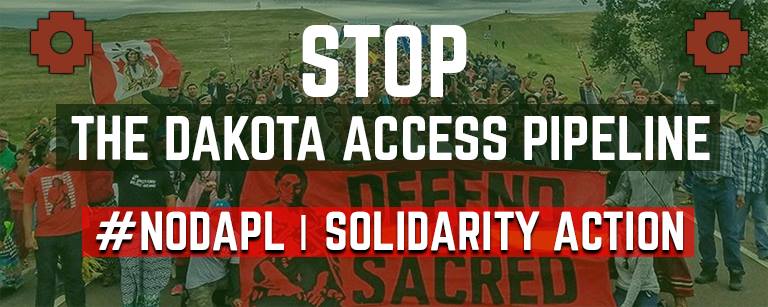
#NoDAPL: 100 Solidarity Actions Take Place Today
Today is the day that the resistance against the Dakota Access Pipeline spreads across the US and internationally.
Read the latest insights and analysis from the experts at Oil Change International.
Today is the day that the resistance against the Dakota Access Pipeline spreads across the US and internationally.
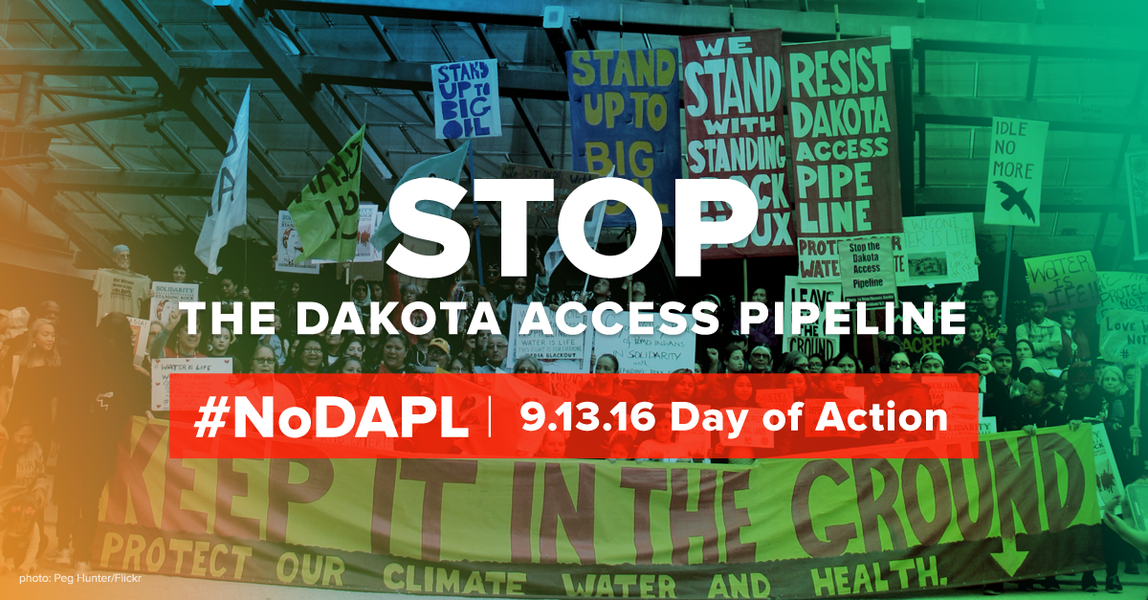
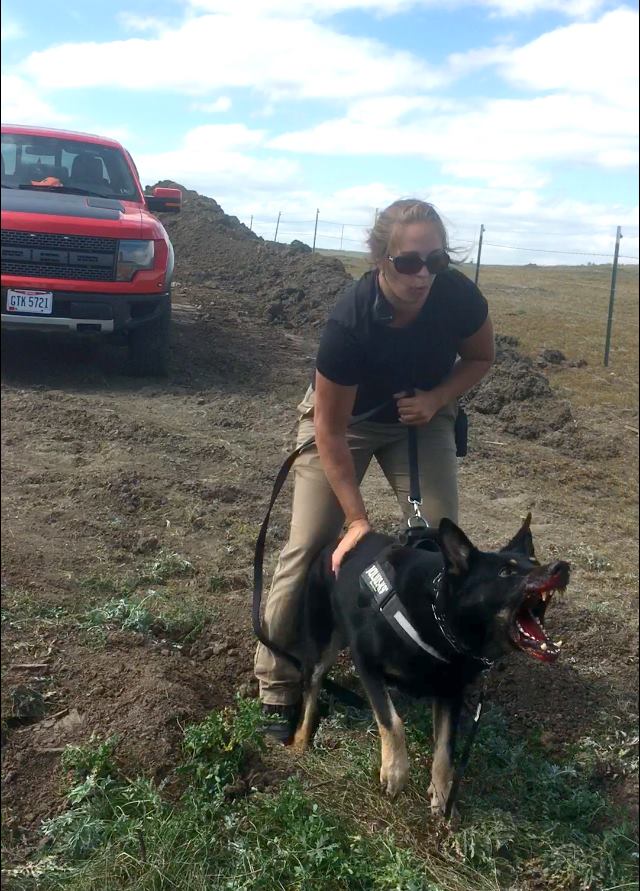
There is good news and bad news for those fighting the Dakota Access Pipeline. First the bad news. A week ago I wrote about the outrageous attacks by security personnel on those protesting against the pipeline by using dogs and pepper spray.
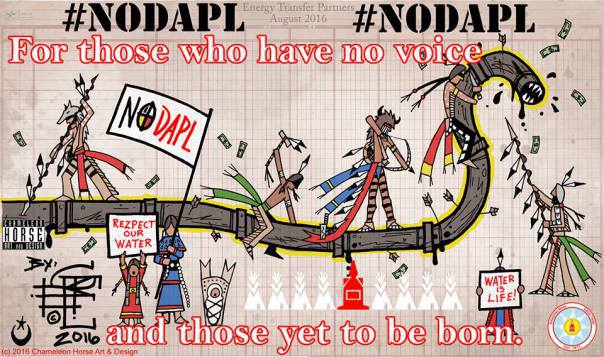
Later today the U.S. District Court in Columbia is expected to decide whether construction of the highly controversial North Dakota Access Pipeline can continue.
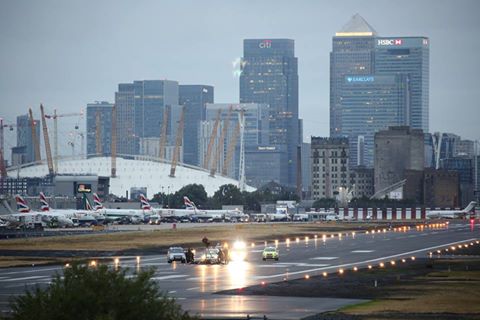
Activists from Black Lives Matter have shut down London’s City airport this morning in a protest about environmental racism and climate change and to protest against the UK's environmental impact on black people.
The contrast could not have been greater. Over the weekend, speaking on the eve of the G20 summit in Hangzhou, history was made as President Obama and Chinese President, Xi Jinping, announced that the world’s biggest emitters of greenhouse gases would formally ratify the Paris agreement on climate change.
As Louisiana recovers from the worst flooding in the US since Hurricane Sandy, you would have thought that the chaos and lives lost in the flooding would force an immediate rethink from the Obama Administration regarding energy policy and our continued use of fossil fuels.
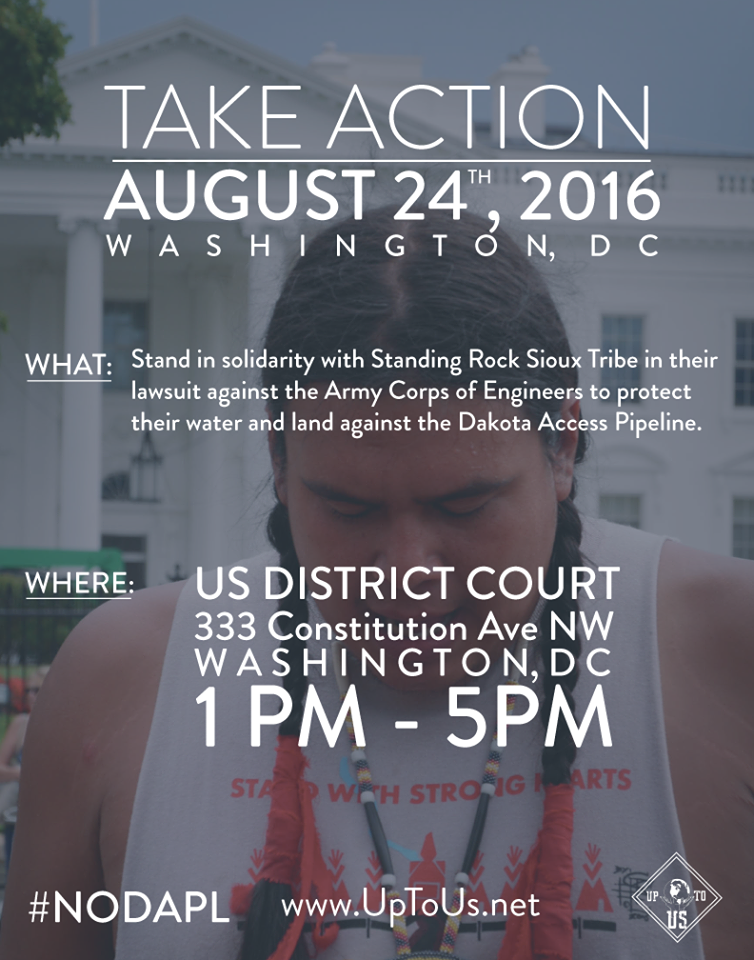
The growing protest against the highly controversial North Dakota Access pipeline will end up in court tomorrow in Washington DC, when the Standing Rock Sioux Tribe’s lawsuit against the US Army Corps of Engineers will be heard.
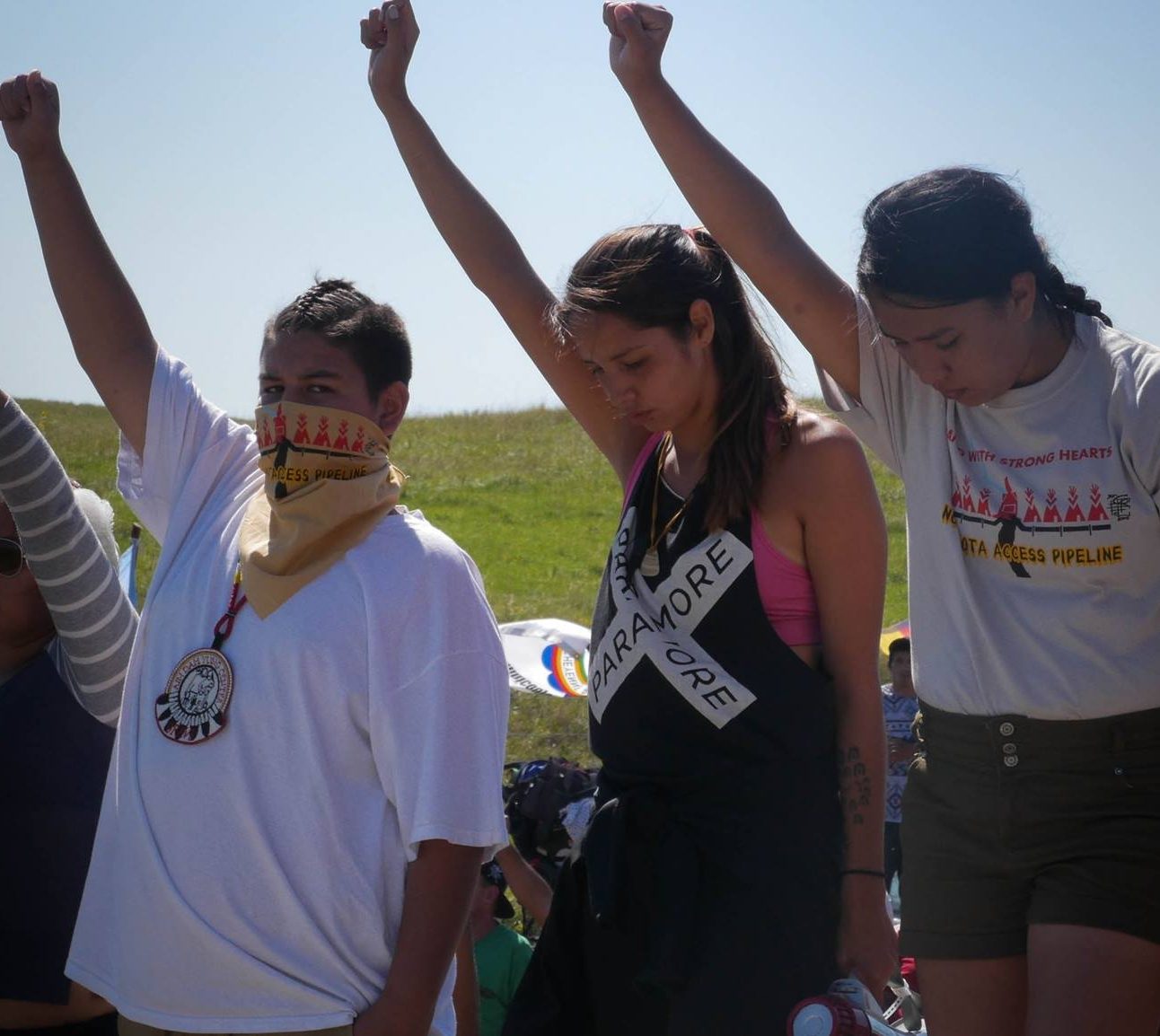
One of the most important battles against pipeline expansion in North America is happening right now in North Dakota.
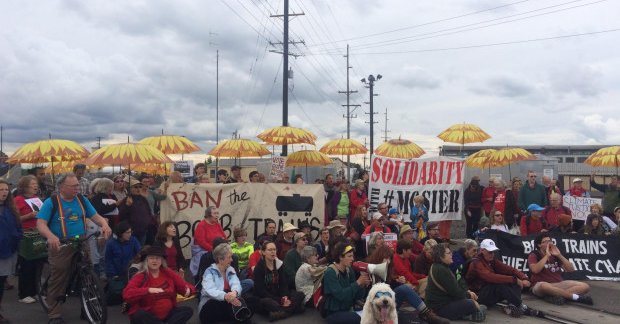
Just as the political opposition to crude by rail trains is growing in the US over the latest crash along the Colombia River Gorge, so is the public opposition.
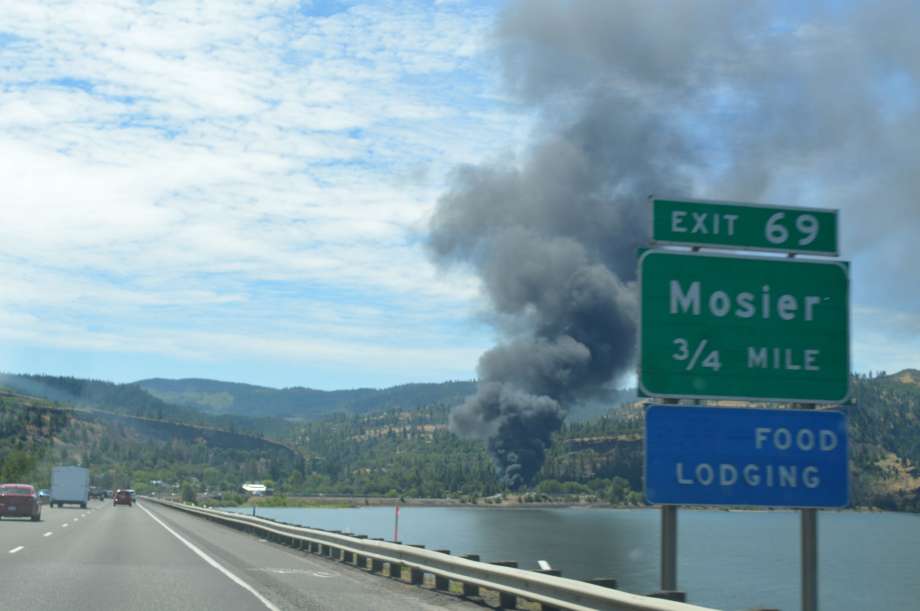
The political and regulatory fall-out from the crude by rail crash in the Colombia River Gorge earlier this month is still continuing.