
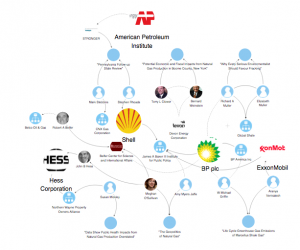
Fracking Industry Learns From Big Tobacco
As so often in the past, where the tobacco industry leads, the oil industry follows.
Read the latest insights and analysis from the experts at Oil Change International.
As so often in the past, where the tobacco industry leads, the oil industry follows.
How BP's Outlook for Energy looks to the past not the future
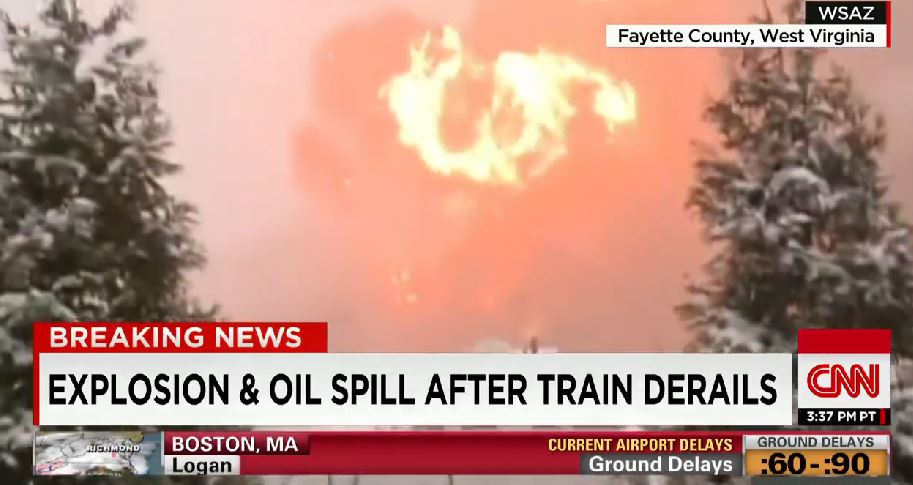
A state of emergency was declared late yesterday in two counties in the south of West Virginia after a crude by rail train oil derailed and exploded, in what is the latest in a long string of accidents in North America.

Earlier this month, BP’s beleaguered Chief Executive Bob Dudley warned that the falling oil price had created a “raging gale” for the oil industry which could last for years.
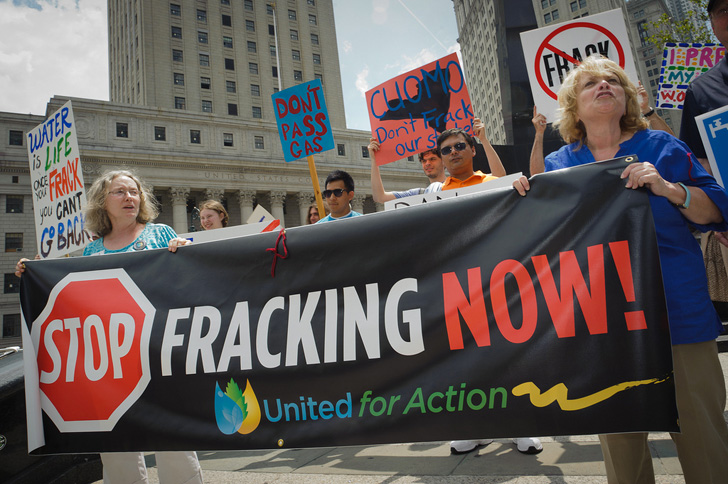
One of the great debates about fracking is whether it heralds a great new chapter in the age of oil or whether it is a small blip in the dying days of the fossil fuel era.
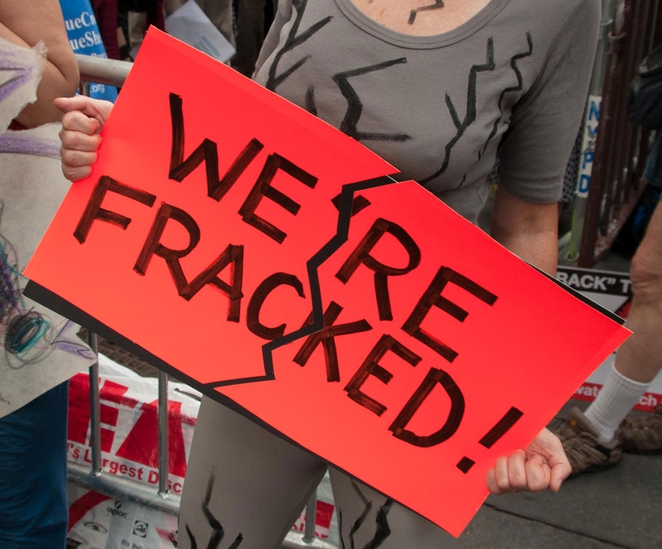
The oil industry often prides itself in pushing the boundaries of technology. The whole fracking revolution has been driven by the industry pioneering new techniques to exploit oil and gas that was previously out of reach.
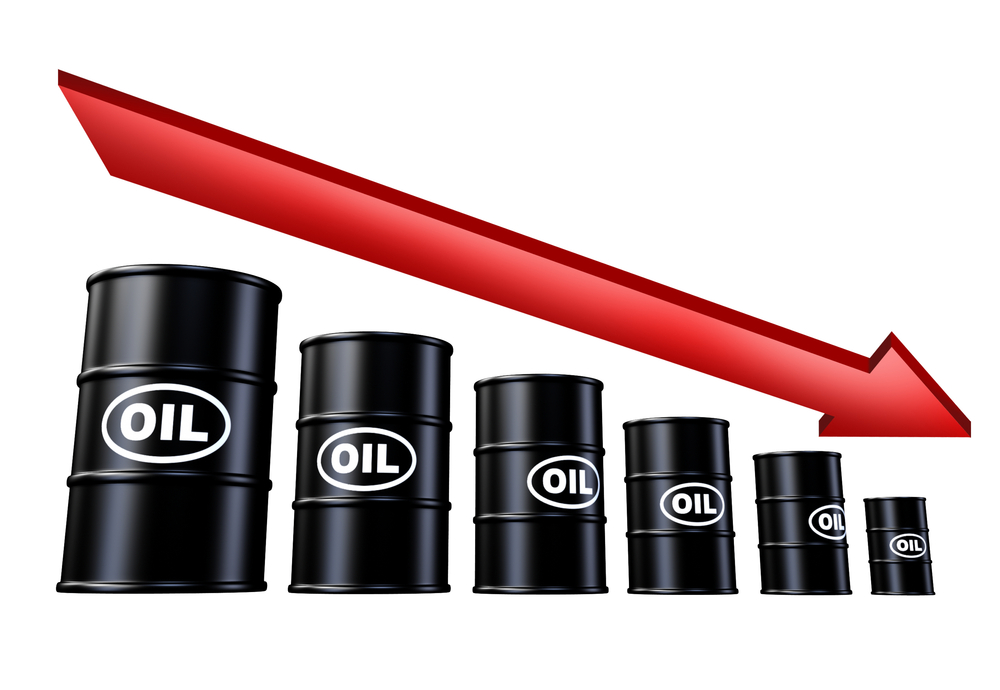
Everywhere you look there is carnage in the oil industry as the reality of low oil prices begins to bite. From North America, to the North Sea and the Arctic, the low crude oil price is reshaping the size, shape and prospects of the industry.
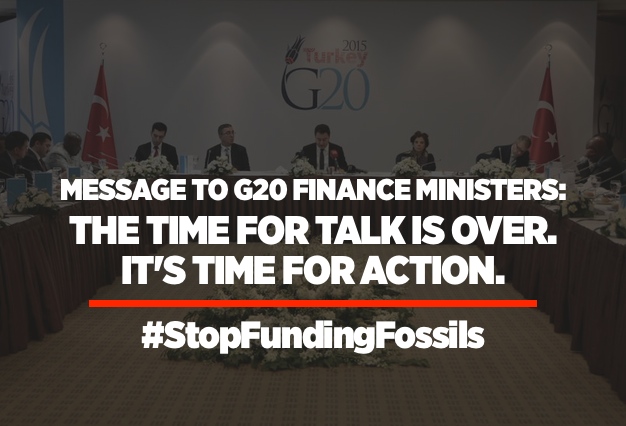
Last Friday, 39 organizations from across Europe, Asia, Africa, South America and the United States sent a letter to the Turkish G20 President and all G20 finance ministers, calling for the ministers to set out a strict timeline for the phase-out of fossil fuel subsidies.

It is pretty hard nowadays to pass a gas station and not notice the plummeting price. Fuel prices have been falling so persistently that it appears that Americans have rediscovered their taste for gas guzzlers.
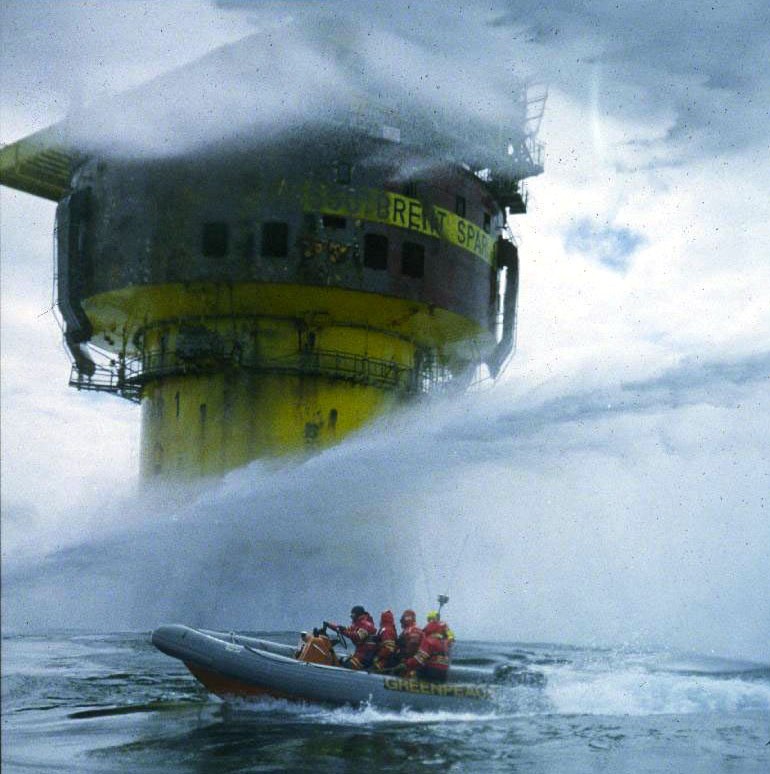
Twenty years ago the oil giant Shell was embroiled in two separate controversies, which still haunt the company to this day.