
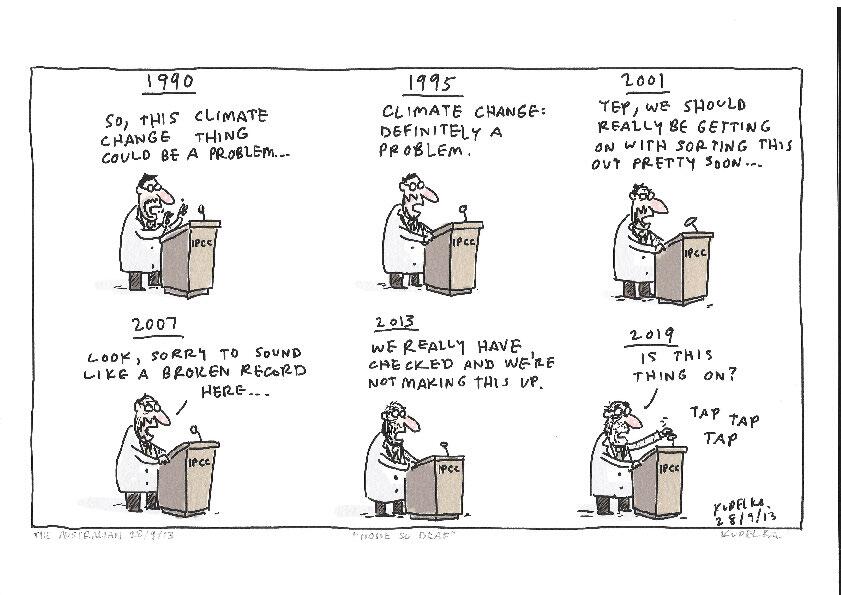
Oil Industry Set to Ignore “Final Warning” on Climate Change
The "clock is ticking". "Little time left". The "Starkest Warning Yet". The "Final Warning". Just four of the headlines from around the world of yesterday's UN report on climate change.
Read the latest insights and analysis from the experts at Oil Change International.
The "clock is ticking". "Little time left". The "Starkest Warning Yet". The "Final Warning". Just four of the headlines from around the world of yesterday's UN report on climate change.
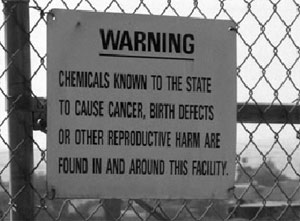
It’s a not so Happy Halloween if you live near fracking wells in the United States. Yet more research has been published which shows significant evidence of the risk to health.
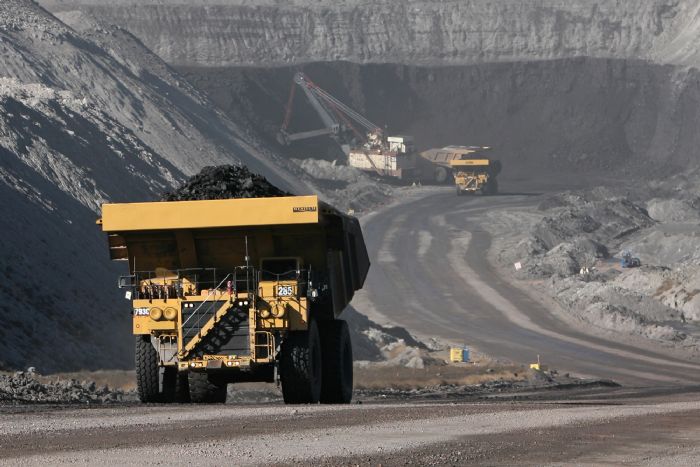
New BankTrack report highlights that commercial banks are ignoring climate limits, financing a record US$88 billion for coal operations in 2013.

The tar sands campaign is also poised to have a very real and measurable impact on carbon pollution as well as the tar sands industry’s bottom line.
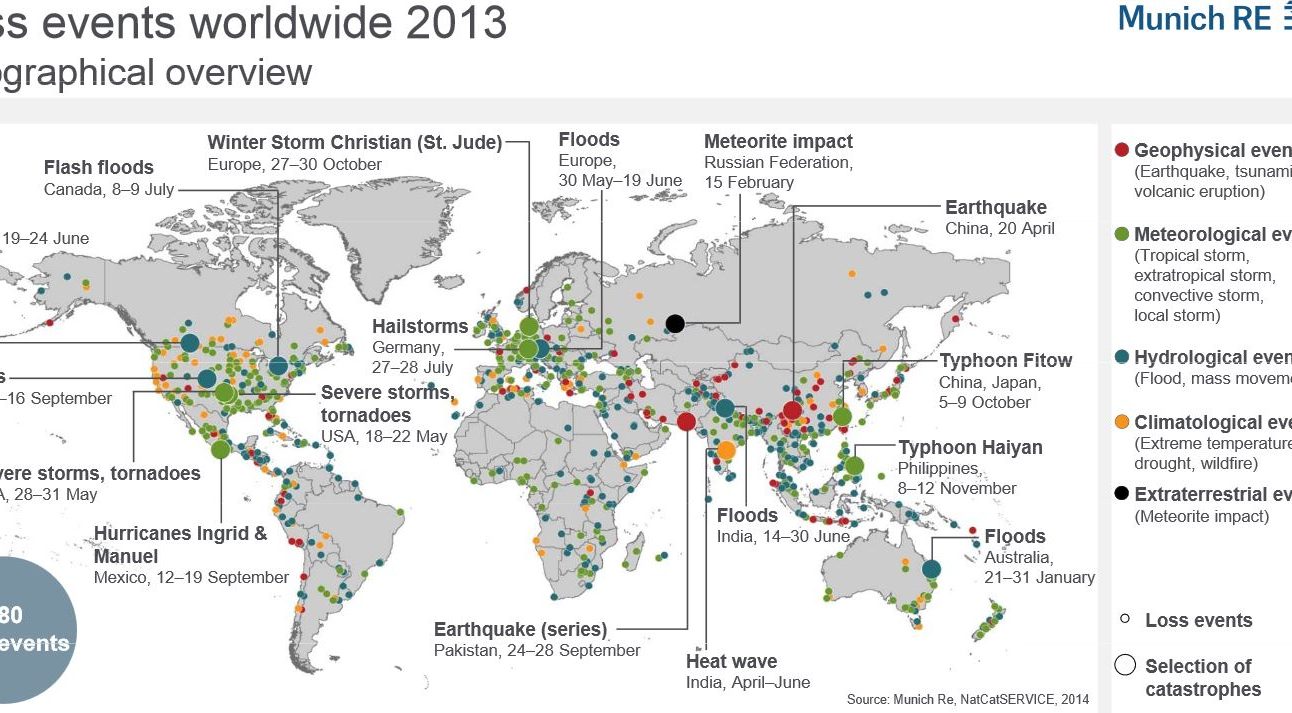
Slowly but surely the world’s banks are waking up to the dangers of climate change and the idea that carrying on investing in fossil fuels might be a risky and reckless idea.
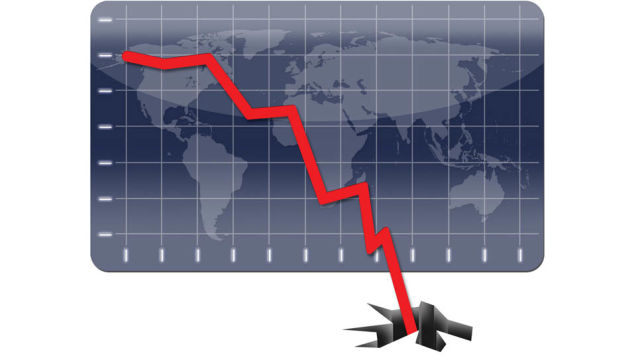
Southern Pacific Resources was the first tar sands producer to commit all of its production to crude-by-rail. Today, the company is on the brink of disaster.

Baker Hughes, a fracking giant, is distributing hundreds of pink drill bits to drilling sites around the world in “honor” of breast cancer awareness month. Along with our allies, we took action.
The growing political fight over relaxing America’s decades-old crude export ban intensified at the end of last week, when 14 oil and gas firms set up a lobbying group specifically to push to relax the ban.
Early this morning, the 28 EU leaders agreed in principle to set a landmark deal to reduce CO2 emissions by 40 per cent from 1990 levels by 2030.
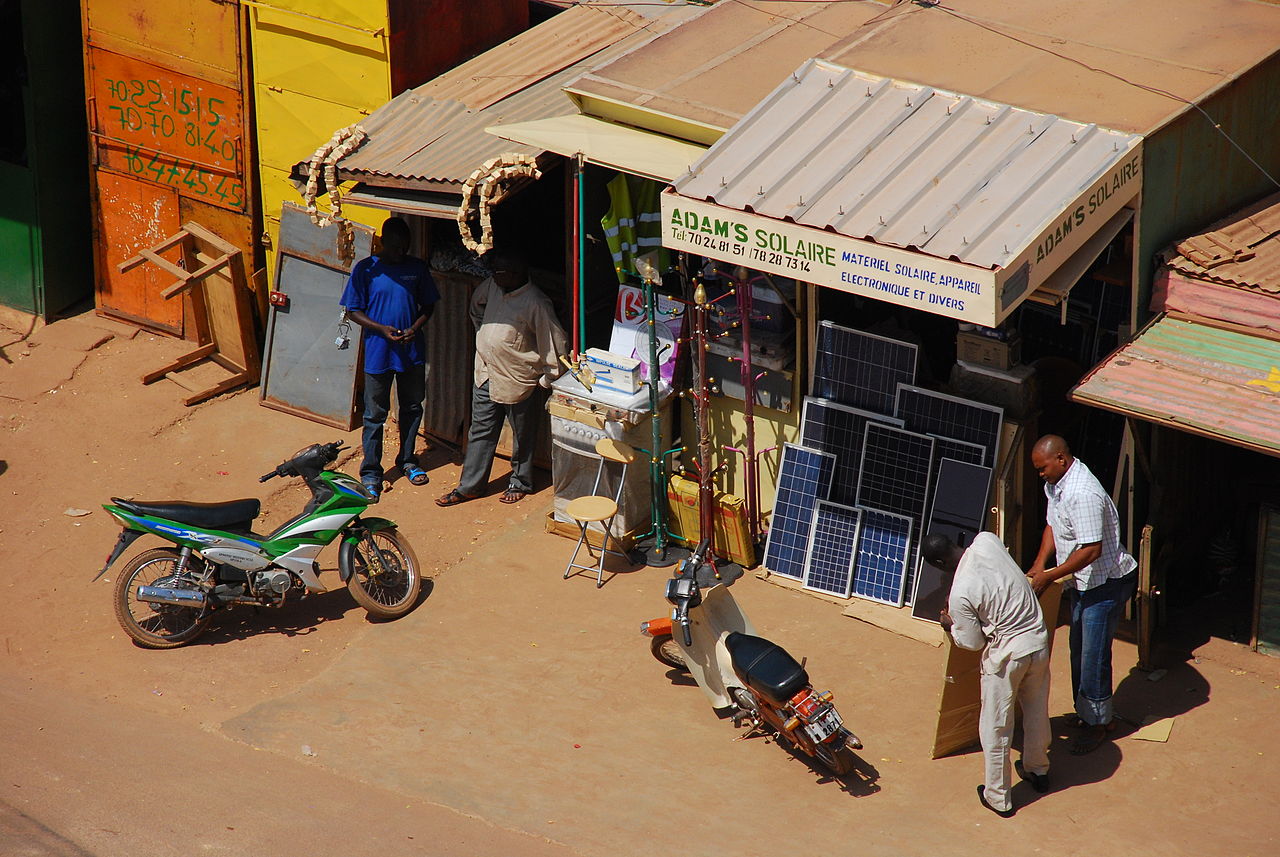
Despite increased global interest and investment in Africa, IEA's latest report finds that as many as 530 million people, mainly in rural areas, will still be left without access by 2040 without changes to energy investment.