

Lifting the Crude Oil Export Ban: Supply Side and Climate Commonsense
In which we demonstrate that dismissing the climate impact of lifting the crude oil export ban is wrong.
Read the latest insights and analysis from the experts at Oil Change International.
In which we demonstrate that dismissing the climate impact of lifting the crude oil export ban is wrong.
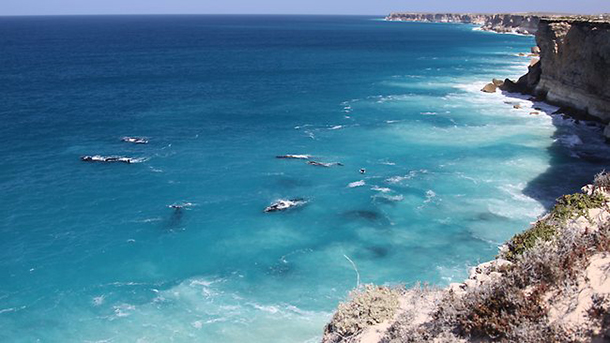
In a major set-back for the oil giant, BP’s highly controversial application to drill in one of Australia’s last great wilderness areas, the Great Australian Bight, has been rejected for falling short of environmental standards.
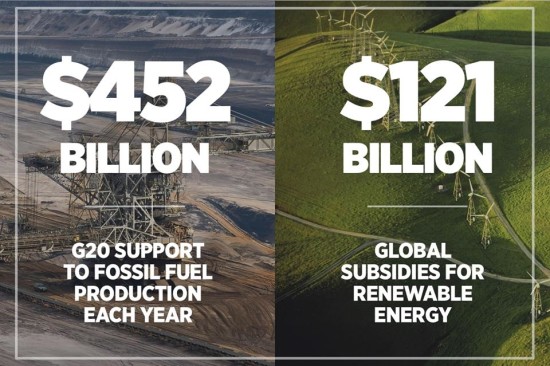
This year, G20 leaders reiterated their same tired commitment to end fossil fuel subsidies, for the seventh time in a row. It’s starting to ring hollow.
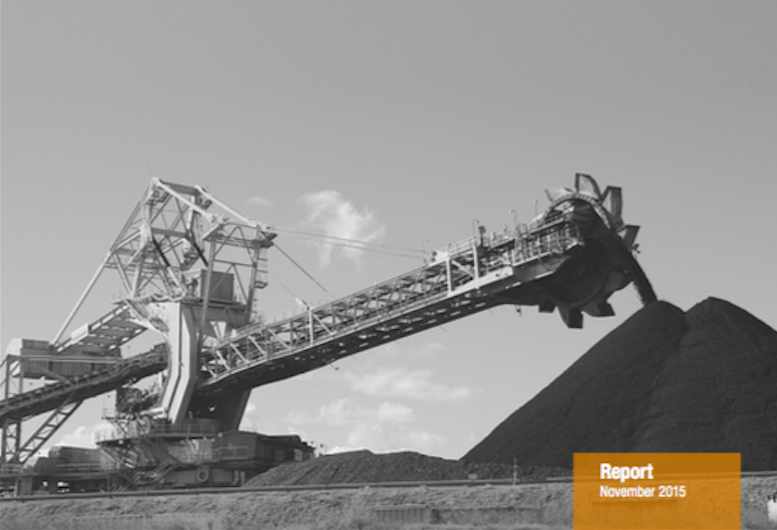
Oil Change International and Overseas Development Institute released a new report today, ‘Empty Promises: G20 subsidies to oil, gas and coal production,' documenting government support from G20 countries to the fossil fuel industry.
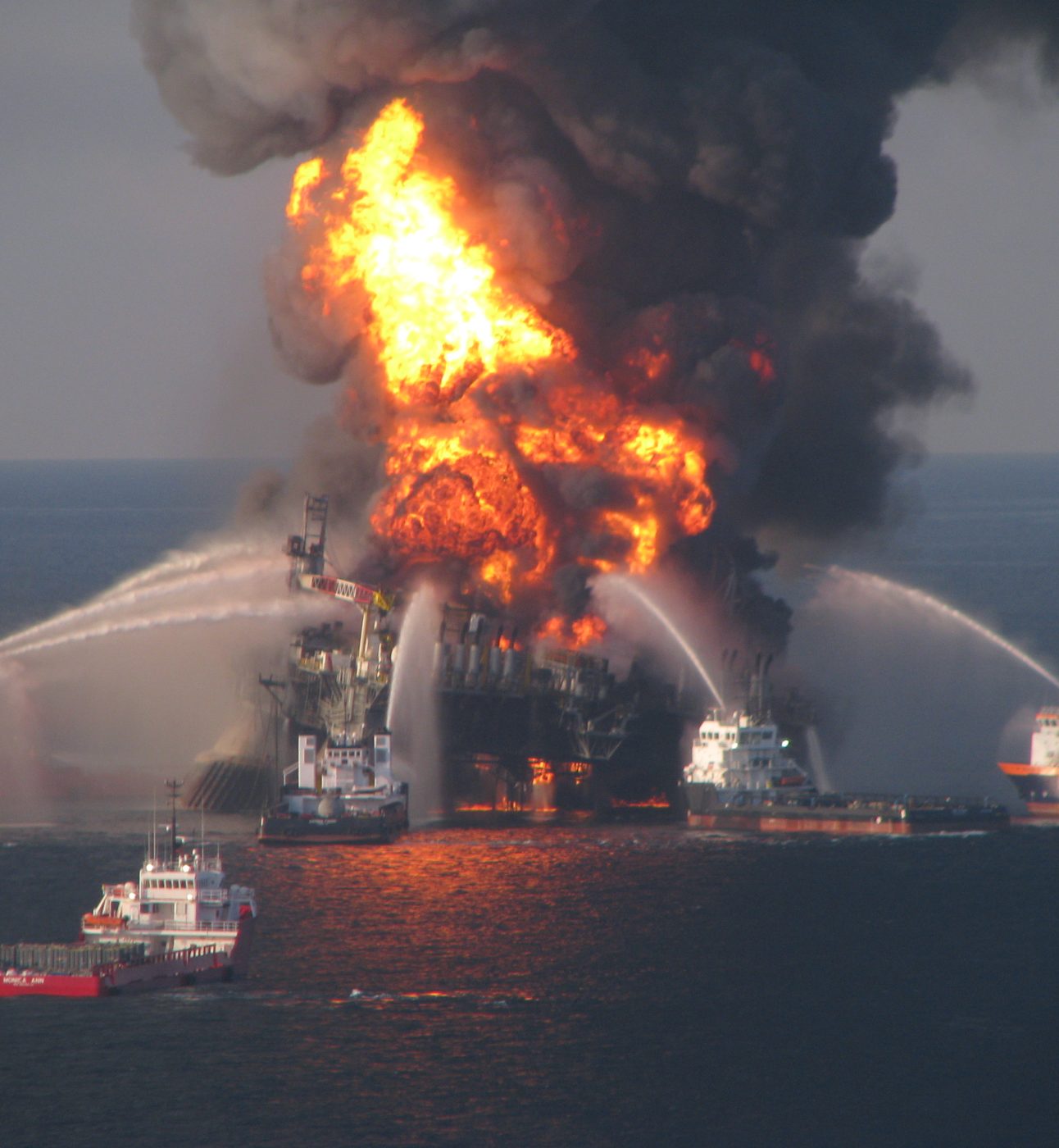
Once again the veterans of the Exxon Valdez have been proved right, after their warnings about the use of toxic dispersants during the subsequent Deepwater Horizon oil spill look to have been vindicated by new academic research.
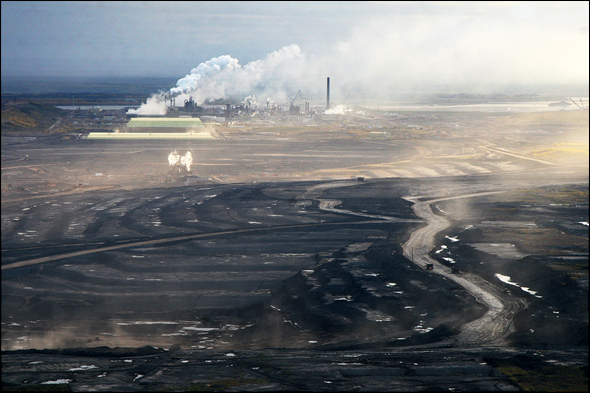
Yesterday, after months of painstaking work, Oil Change International launched a report entitled “Lockdown – the end of growth of the tar sands”.
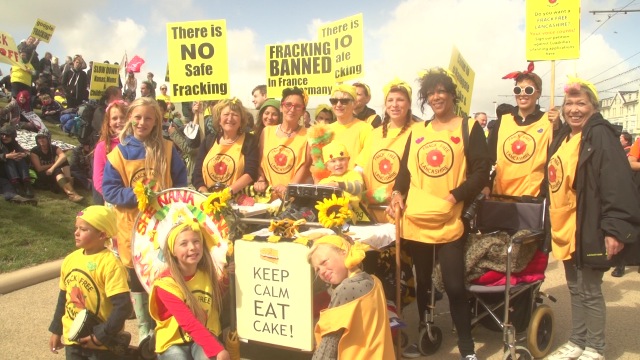
For a long time now the oil industry and its supporters have tried to claim that fracking is safe and often opposition is based on ignorance and not the facts.
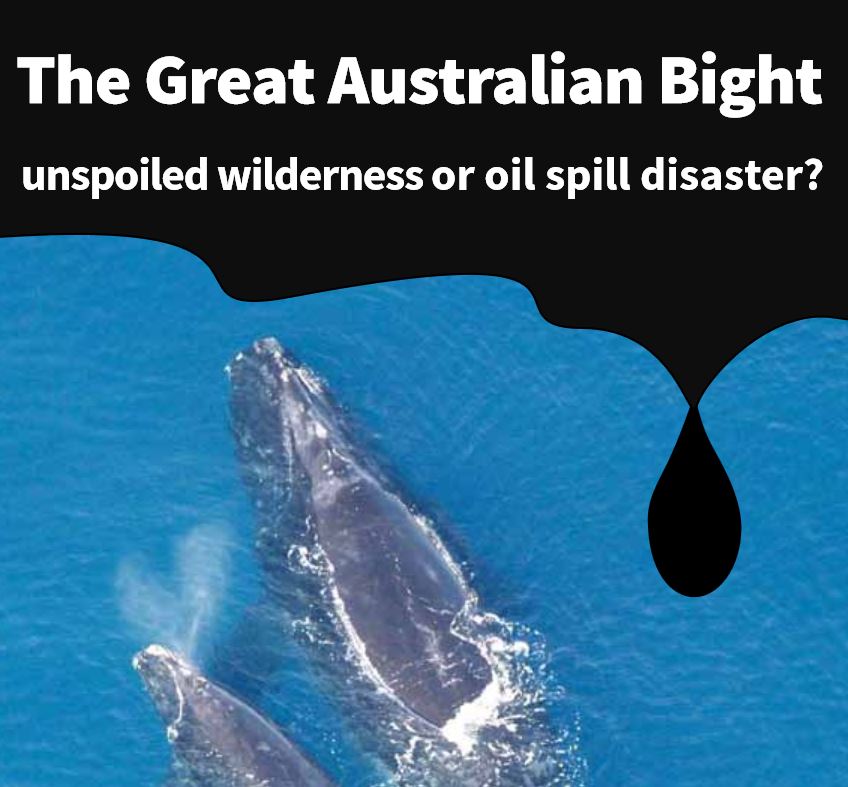
Just as BP finally agrees to pay nearly $21 billion to settle claims relating to the disastrous Deepwater Horizon spill, the oil giant is proposing to drill four exploration wells in the Great Australian Bight, which threatens these pristine waters off the Southern coast of the country.

Oil giant BP will pay nearly $21 billion to settle its 5 year old dispute with US Federal and State authorities over the Deepwater Horizon oil spill, which killed eleven workers, and spilt millions of gallons of oil across the Gulf of Mexico.