
Big Oil Sets Up Crude Export Lobby Group
The growing political fight over relaxing America’s decades-old crude export ban intensified at the end of last week, when 14 oil and gas firms set up a lobbying group specifically to push to relax the ban.
Read the latest insights and analysis from the experts at Oil Change International.
The growing political fight over relaxing America’s decades-old crude export ban intensified at the end of last week, when 14 oil and gas firms set up a lobbying group specifically to push to relax the ban.
Early this morning, the 28 EU leaders agreed in principle to set a landmark deal to reduce CO2 emissions by 40 per cent from 1990 levels by 2030.
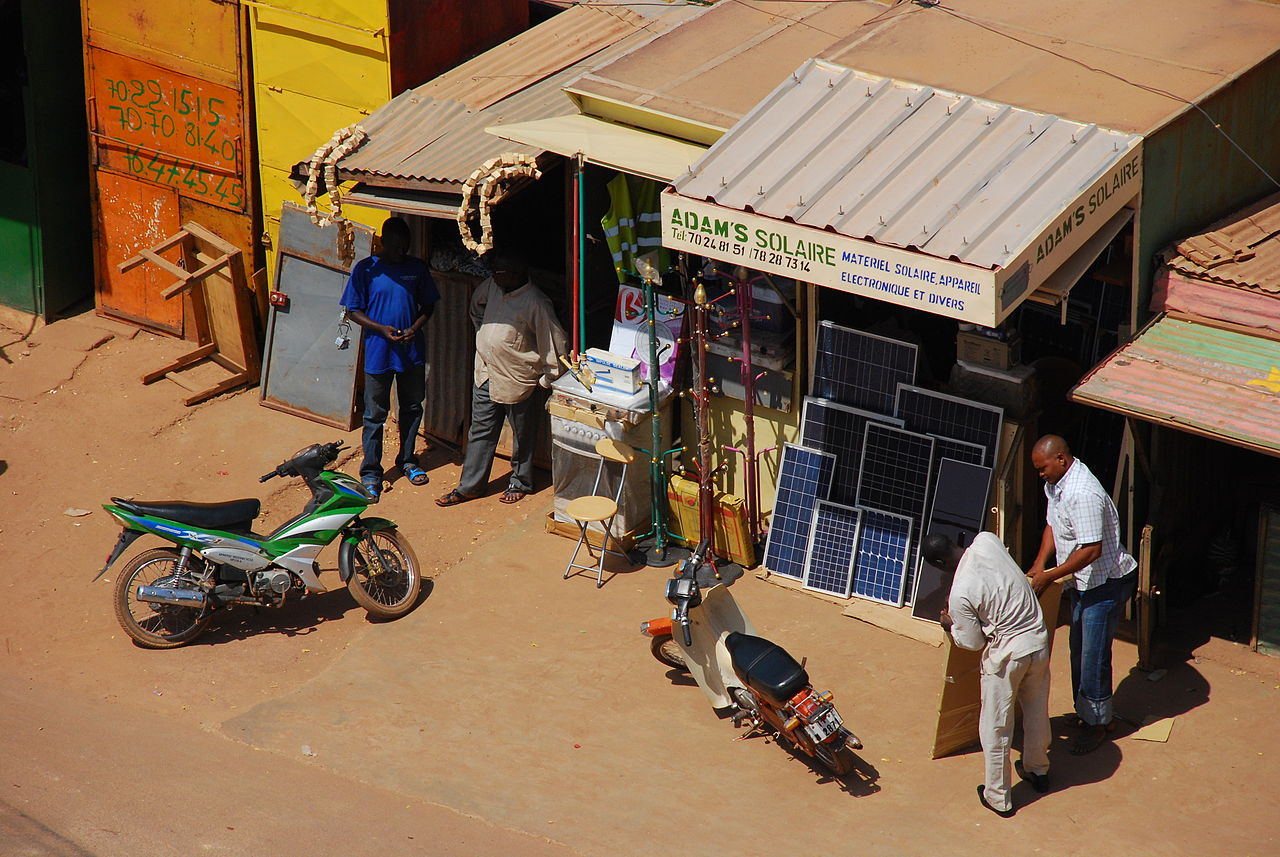
Despite increased global interest and investment in Africa, IEA's latest report finds that as many as 530 million people, mainly in rural areas, will still be left without access by 2040 without changes to energy investment.

Often the way a state reacts to those protesting against it tells you a great deal about its moral fabric and values.
For years the oil industry has been lobbying tirelessly to overturn the US crude export ban as domestic production increases on the back of the fracking revolution.
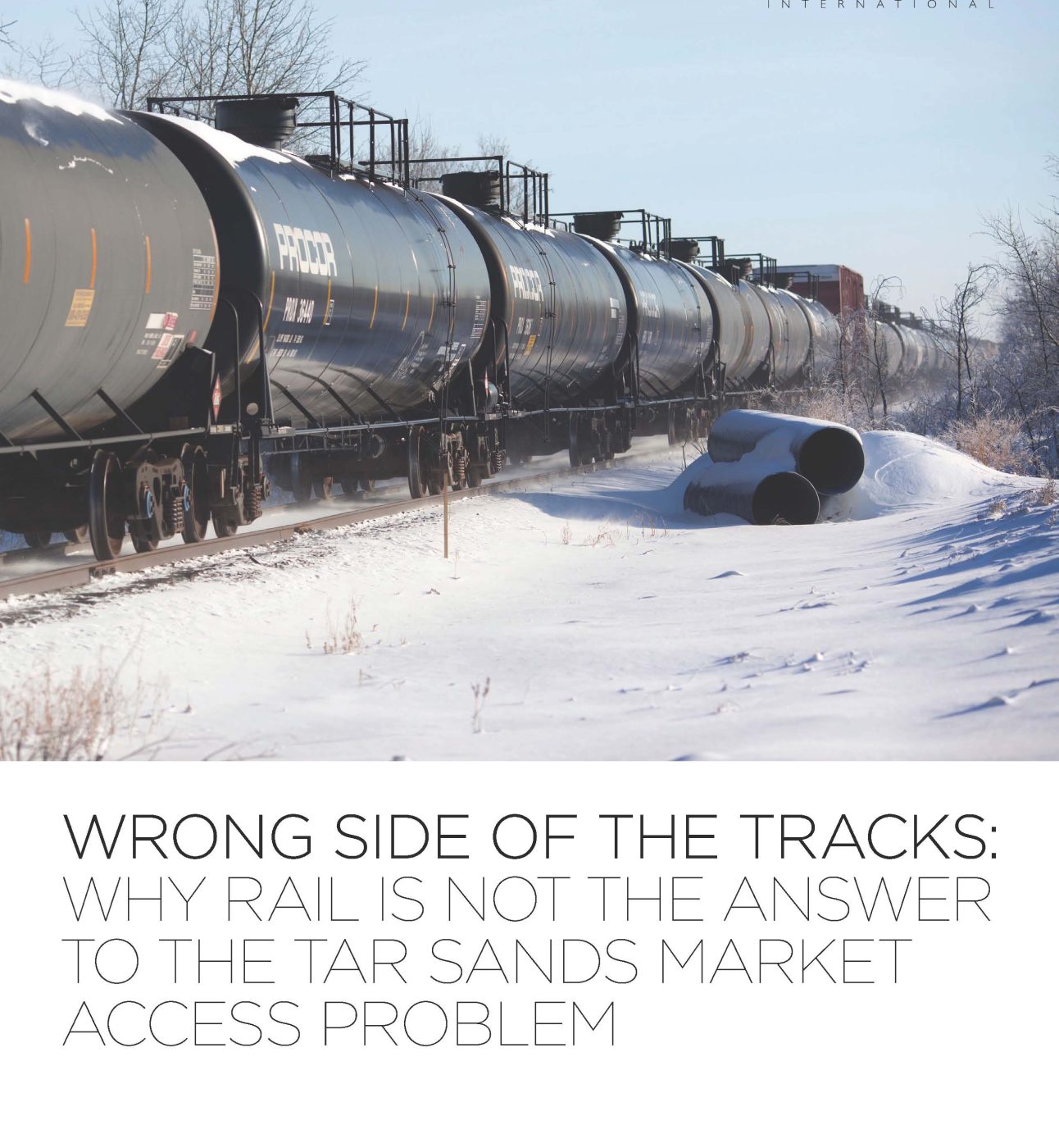
Tar sands-by-rail is a major issue in the debate on Keystone XL. In this first of a series of blogs on the issue, we look at the ongoing failures of the first tar sands unit train terminal.

From tar sands refinery subsidies in Whiting, Indiana and cash-strapped Detroit to petcoke covering the neighborhoods of Southeast Chicago, this subsidy spotlight explores the human impact of government subsidies gone haywire.
In a case that will be watched keenly worldwide, a Canadian Federal Court will today start reviewing the approval last December of the expansion of Shell’s controversial Jackpine tar sands mine in Alberta.
The oil industry and its allies are used to dismissing those who are warning about climate change as a bunch of lentil-eating, sandal-wearing commies. But over the last few months we have seen a growing number of authoritative voices calling for fossil fuel disinvestment, with a growing number of institutional investors actually saying they will disinvest from fossil fuels.

Despite an EU commitment to phase out fossil fuel subsidies by 2020, countries across Europe are still subsidising dirty coal boy over €10 billion a year, according to new figures released by the European Commission today.