
Rosneft Announces Arctic “Victory”
There was grim news over the weekend for those fighting Arctic drilling as the Russian energy giant Rosneft announced that it had struck oil in the world’s most northerly well, deep in the Arctic.
Read the latest insights and analysis from the experts at Oil Change International.
There was grim news over the weekend for those fighting Arctic drilling as the Russian energy giant Rosneft announced that it had struck oil in the world’s most northerly well, deep in the Arctic.

It was a day of huge roars but also small whispers, small moments and momentary glimpses of a beautiful future. Seconds-long reminders that we’re not alone, that we’re in this together, that the world is small and big and diverse and unified all at the same time.
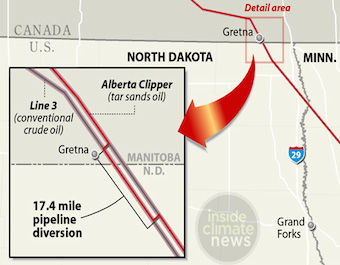
Enbridge is side-stepping environmental regulations and corporate taxes in attempts to increase Canadian tar sands exports through the United States.
The actor Leonardo DiCaprio was one of a number of people to address the United Nations Climate Summit yesterday, urging them to take action to address "the greatest challenge of our existence on this planet."

Yesterday was day two of the dynamic and energised protests against climate change in New York which saw several thousand activists take part in “Flood Wall Street.”

400,000 in New York. 40,000 in London. 30,000 in Melborne. 25,000 in Paris. Thousands others in some 2,700 events across the globe in over 150 countries.

On Sunday, hundreds of thousands of people are expected to take part in what the organisers are promising to be the largest climate march ever in New York.
Next week, on the 23 September, the United Nations will hold its most important climate summit for years in New York, which will attended by some 125 heads of state.
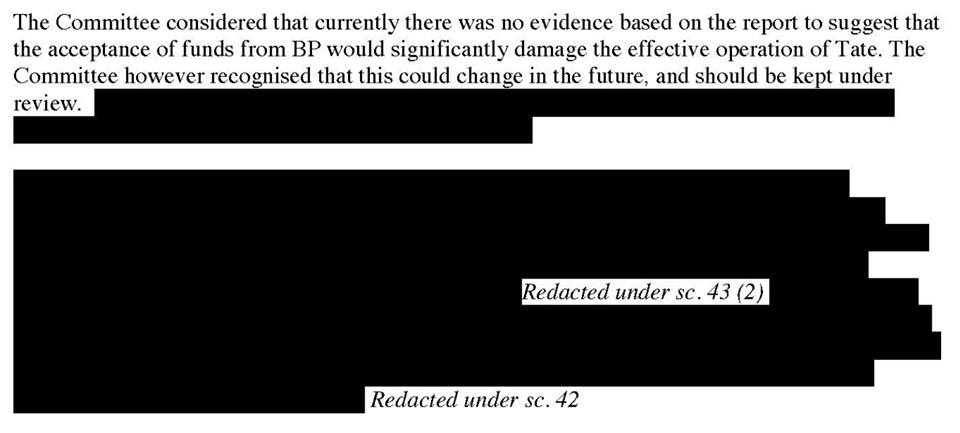
A three and a half year battle by activists to find out more details of BP’s secretive sponsorship deal with Britain’s iconic art institution, the Tate, will finally be resolved on Thursday this week.
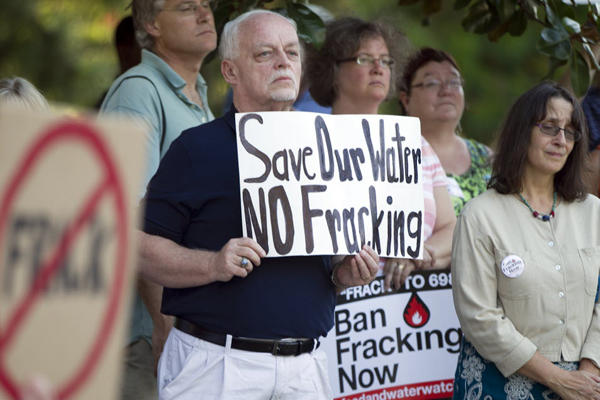
The largest ever scientific study examining the overall health of people living near fracking wells in the US is being published today and once again it sends alarm bells ringing.