Scientists and Senators Concerned About U.S Undermining EU’s Climate Legislation
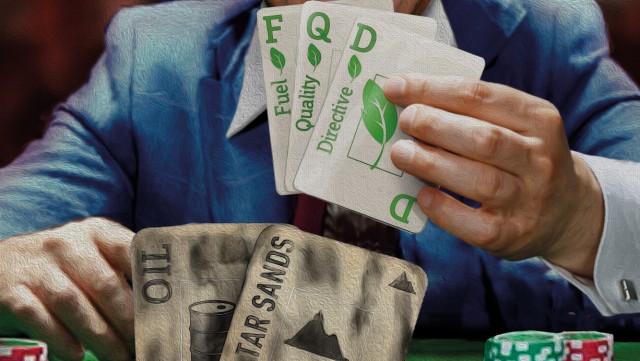
Leading scientists and American politicians are worried that the the US is trying to undermine the EU's landmark Fuel Quality Directive
Read the latest insights and analysis from the experts at Oil Change International.
Leading scientists and American politicians are worried that the the US is trying to undermine the EU's landmark Fuel Quality Directive
The letter, with 21 signatories, suggests that fracking can be done safely with proper regulation, and that the economic benefits of fracking up California outweigh the inherent risks to the environment of the extraction practice. But even a very quick analysis of the signatories and the arguments they put forward will show another story. In short, this letter from scientists was made possible by the oil industry.
It’s time for Governor Brown to make a decision. He can be Big Oil Brown and move California down the road of fracking our communities and climate. Or he can say no to our dirty past, stop fracking, and move California towards a cleaner future.
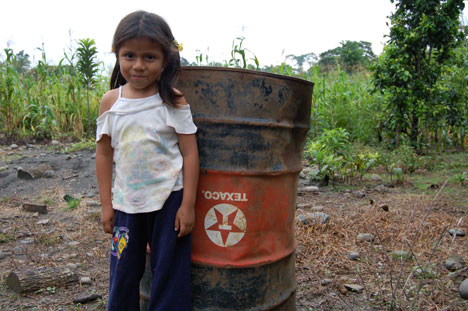
In the long and tortuous legal battle between indigenous communities in Ecuador against the oil giant Chevron, the plaintiffs scored a major victory yesterday in, of all places, Canada.
The oil and gas industry makes out particularly well in the budget deal, with the vast majority of its generous subsidies preserved under the new budget. Meanwhile, support for clean energy is on the chopping block.
Today, the British Foreign Secretary William Hague is one of the first European politicians to visit Azerbaijan, a country with an appalling human rights record, since widely condemned Presidential elections.
The Canadian press is reporting that the Albertan government is preparing to release new data “within weeks” about cancer rates in Fort Chipewyan, the First Nations community which is just under 300 kilometers north of Fort McMurray.
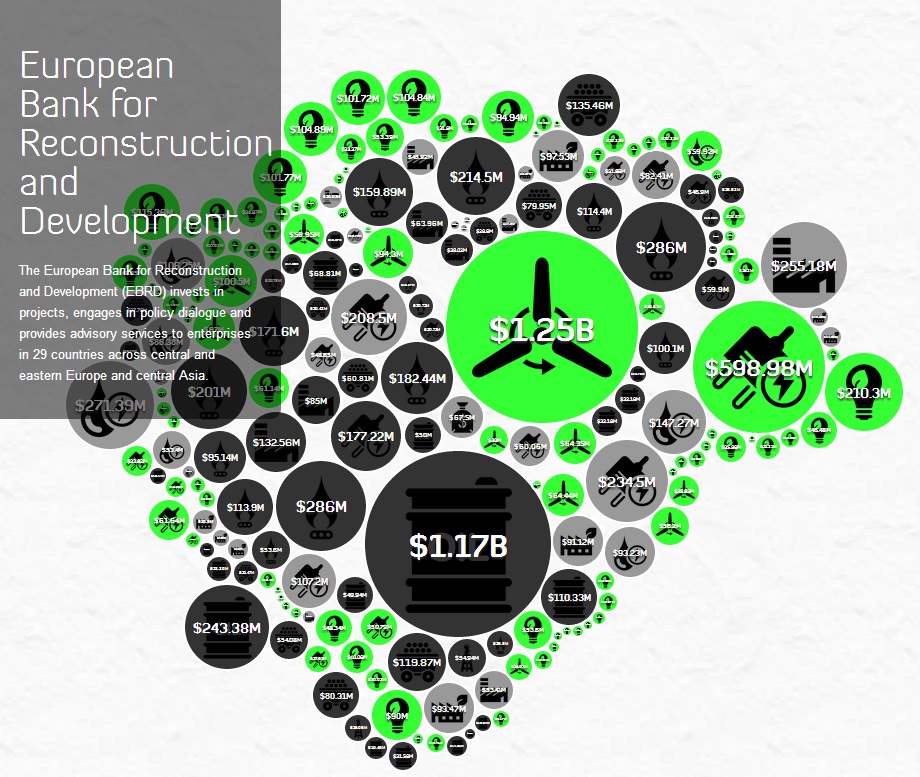
Two important actions were added to the growing list of recent global steps curbing public finance for coal. First, the European Bank for Reconstruction and Development (EBRD) joined the World Bank and European Investment Bank (EIB) in adopting a new Energy Strategy that significantly restricts support for coal power projects. As the second climate feat of the week, the U.S. government voted no on the Board of the Asian Development Bank (ADB) for a proposed coal power plant in Pakistan. However, even though the U.S. and several other countries voted no or abstained from supporting the Pakistan coal plant, the ADB board still had a simple majority, and therefore approved $900 million in funding for the 600 MW Jamshoro coal plant.

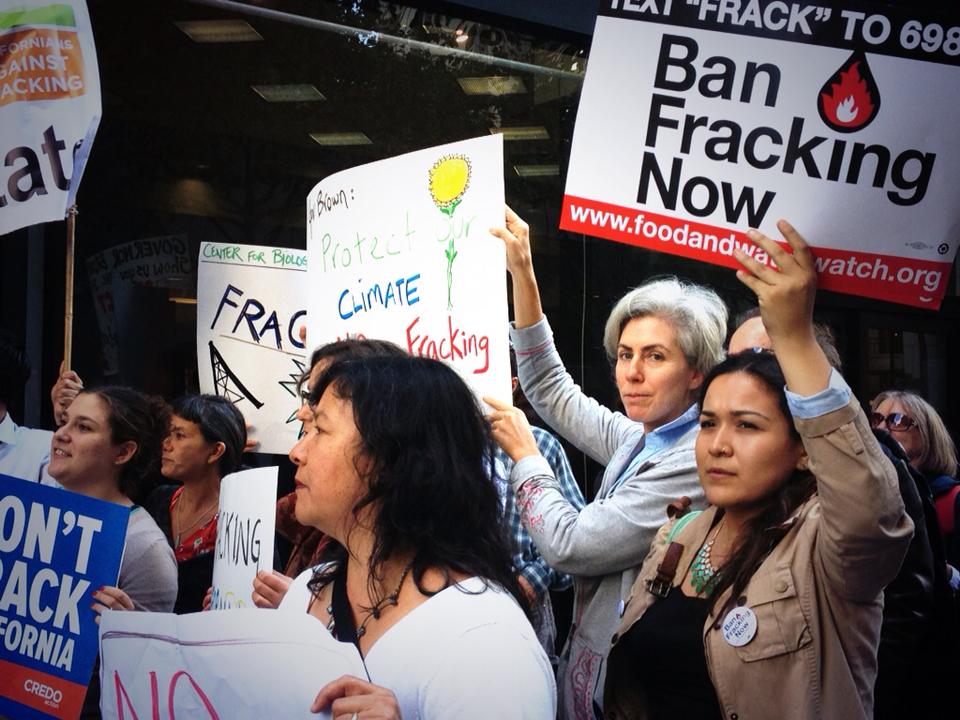
Last night, dozens of concerned Californians descended on the Oakland convention center for a "scoping meeting" regarding the California Division of Oil, Gas, and Geothermal Resources "environmental impact report" process that is kicking off to study the impacts of fracking in the state.
As the British government presses ahead with fracking, more evidence emerges from the US of serious air pollution issues, this time with the cancer-causing chemical, benzene.