Blog

Read the latest insights and analysis from the experts at Oil Change International.

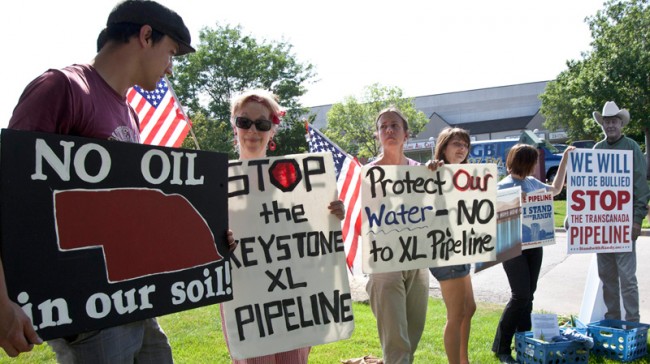
“Rogue State” Canada “Running Out of Time” on KXL

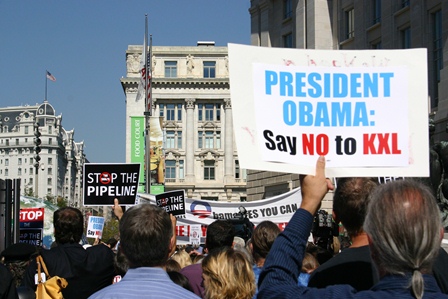
The Reuters news agency is reporting that Canada is running out of time to offer President Barack Obama some kind of concession on climate change that might allow Obama to approve the controversial Keystone XL (KXL) pipeline
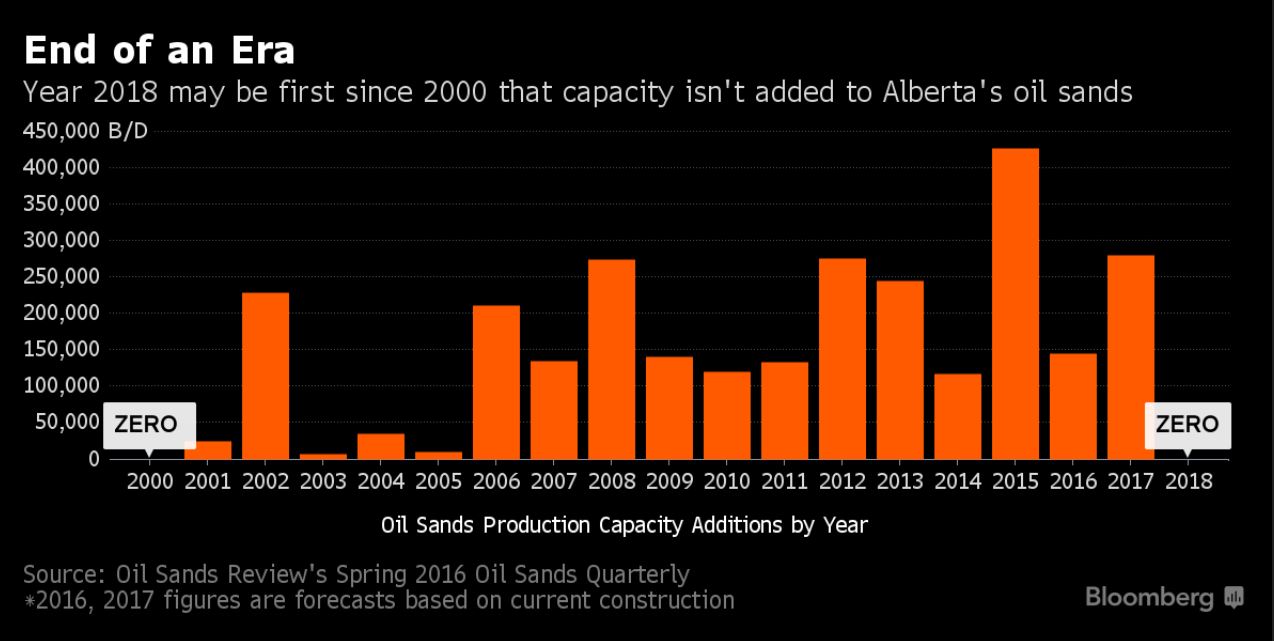

Tar Sands are a “Shaky Investment”

Based on a report by Carbon Tracker, Bloomberg labels the tar sands a "shaky investment"

“End corporate sponsorship of our arts institutions by genocidal corporations”

The Canadian Museum of Civilisation has announced it is “proud” to have struck a sponsorship deal with the tar sands lobby group, CAPP.

U.S. Oil Boom Undermines Keystone XL

Newly released documents suggest that the Canadians have been warned that America’s burgeoning oil boom could derail plans to build the KXL, as American oil is cleaner than dirty Canadian crude.

When in a Hole…

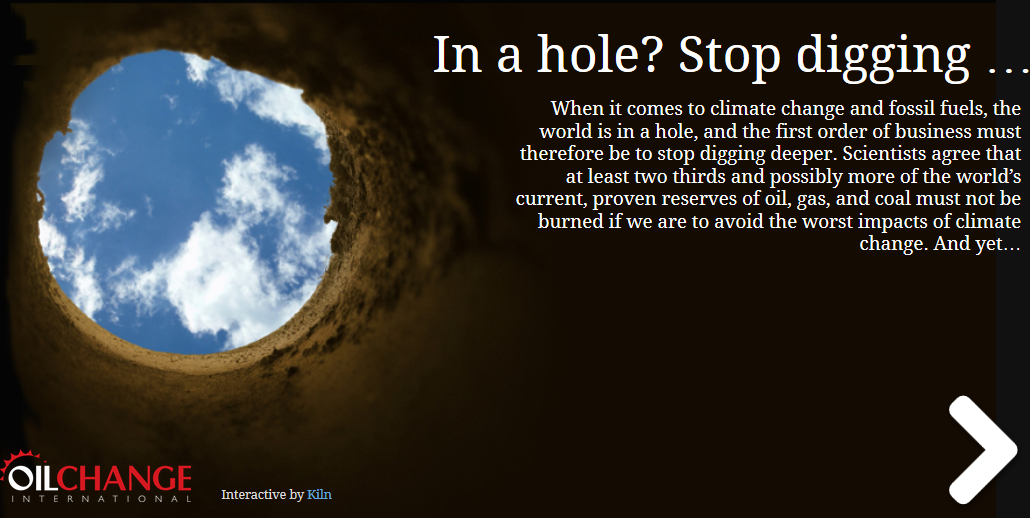
Yesterday, Oil Change International (OCI) published its great new interactive graphic that shows that fossil fuel reserves continue to grow, whereas the scientists are telling us that we can burn less and less carbon.

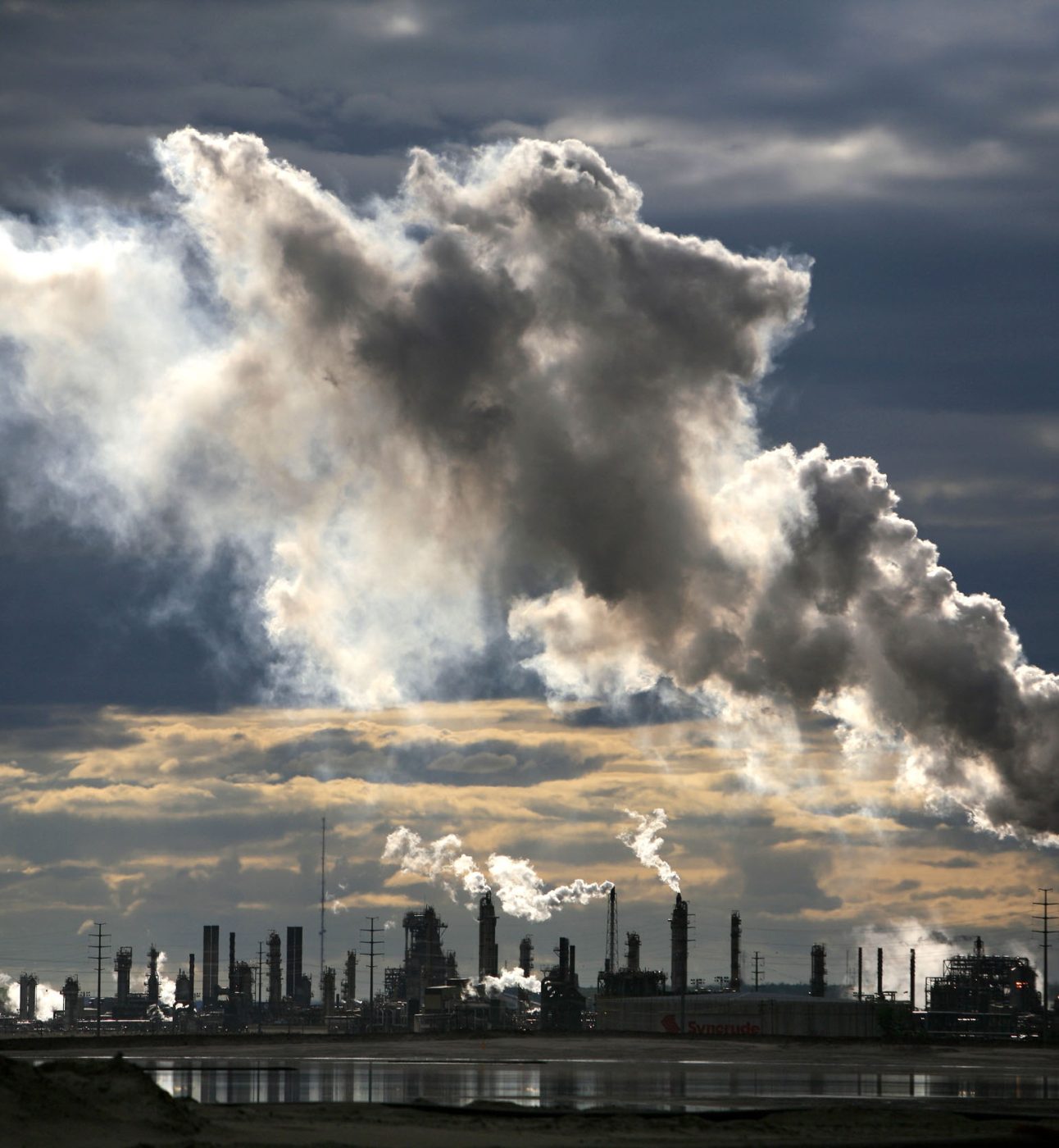
The Tar Sands Smoking Gun

According to a new scientific analysis, many tar sands wells are actually using more energy than they produce.

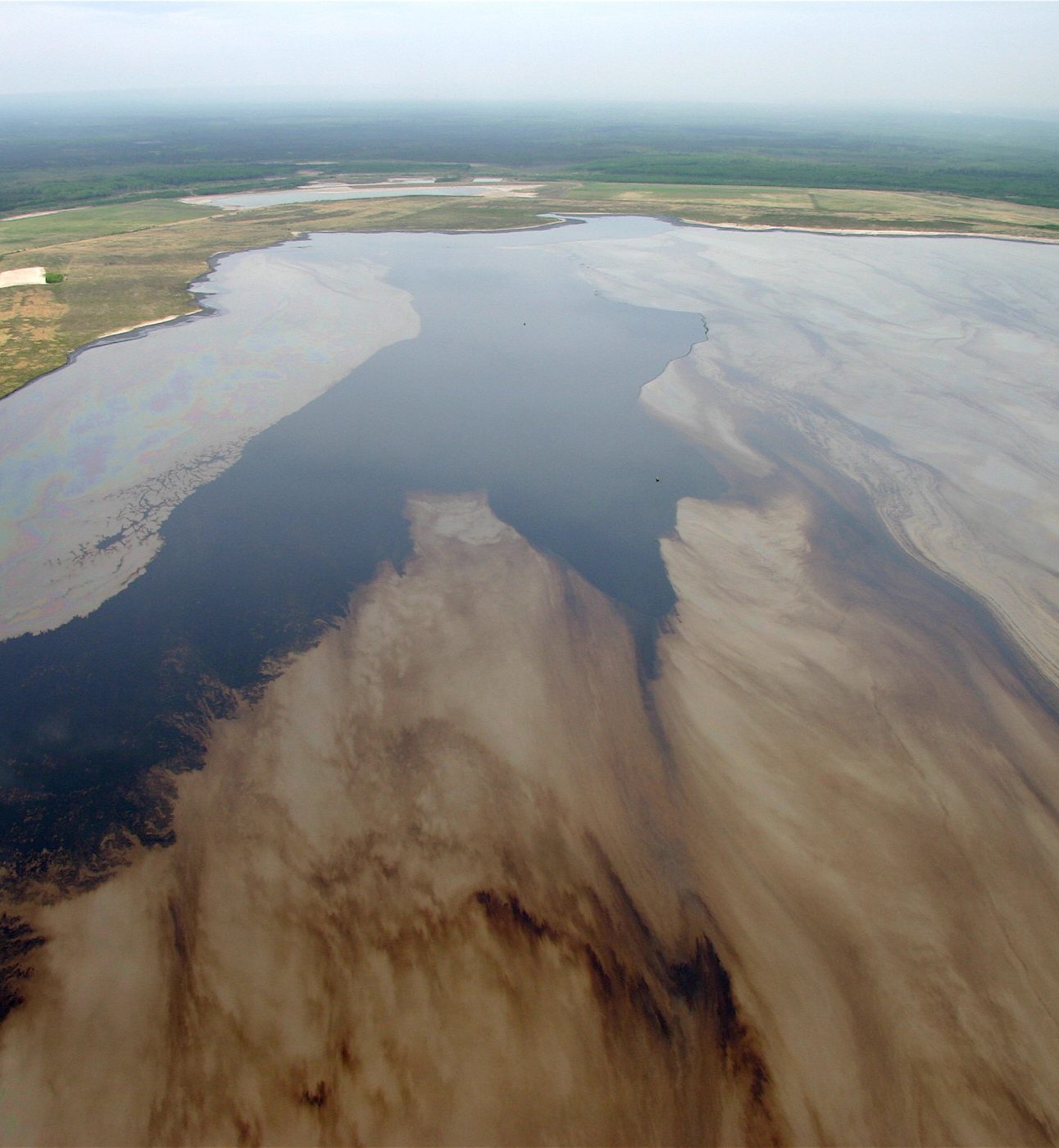
Canada’s “Reckless” Expansion of Tar Sands Toxic Lakes

The tar sands industry wants to transform northern Alberta into the largest man-made lake district on Earth, with dozens of toxic tailings ponds.

Time to Learn from Tobacco

Yesterday over 70 NGOs released a letter calling on the United Nations to implement new rules to safeguard the global climate talks from the undue influence of the fossil fuel industry.

CO2 Emissions Reach Record Levels

A report by the Global Carbon Project, published today has highlighted how global carbon dioxide emissions from burning fossil fuels will rise to a record 36 billion tonnes this year.

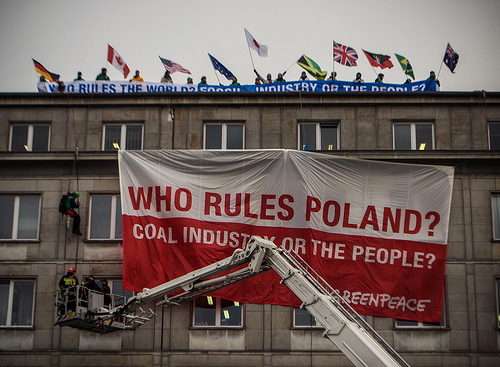
Coal Industry Told to Leave Reserves in the Ground

At a Coal Summit in Warsaw today, the coal industry was told it had to leave most of the existing coal reserves in the ground