
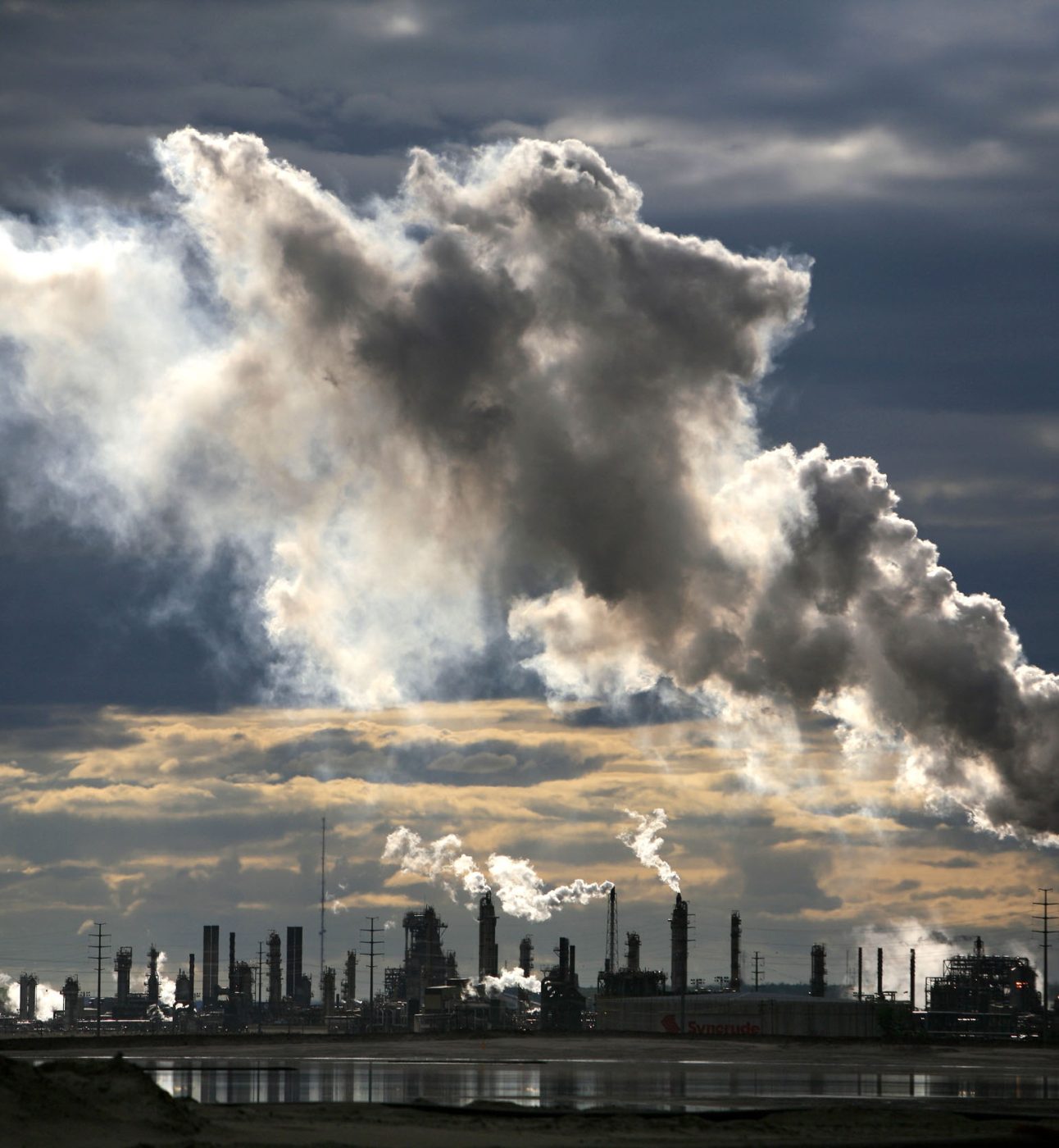
The Tar Sands Smoking Gun
According to a new scientific analysis, many tar sands wells are actually using more energy than they produce.
Read the latest insights and analysis from the experts at Oil Change International.
According to a new scientific analysis, many tar sands wells are actually using more energy than they produce.
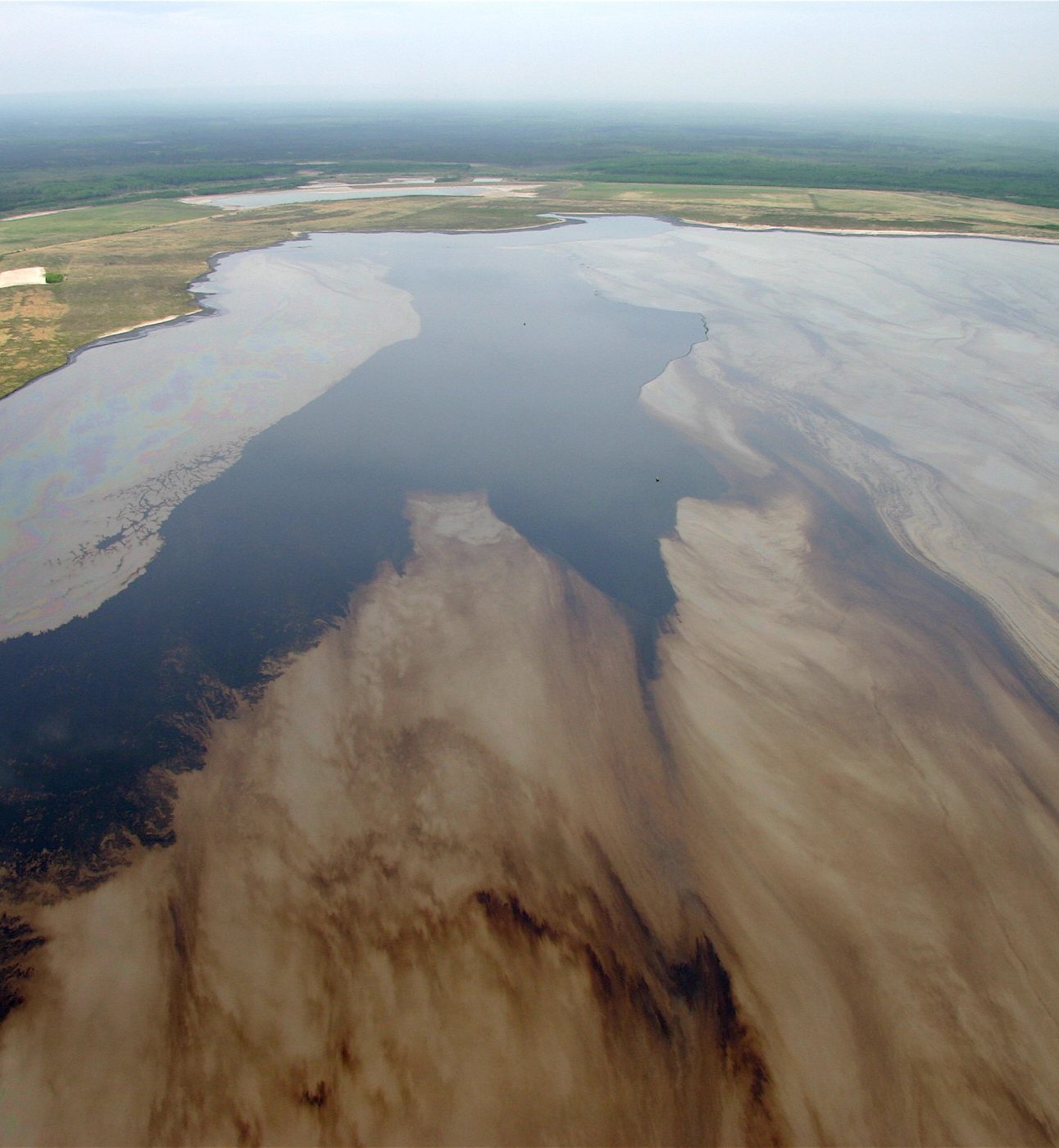
The tar sands industry wants to transform northern Alberta into the largest man-made lake district on Earth, with dozens of toxic tailings ponds.
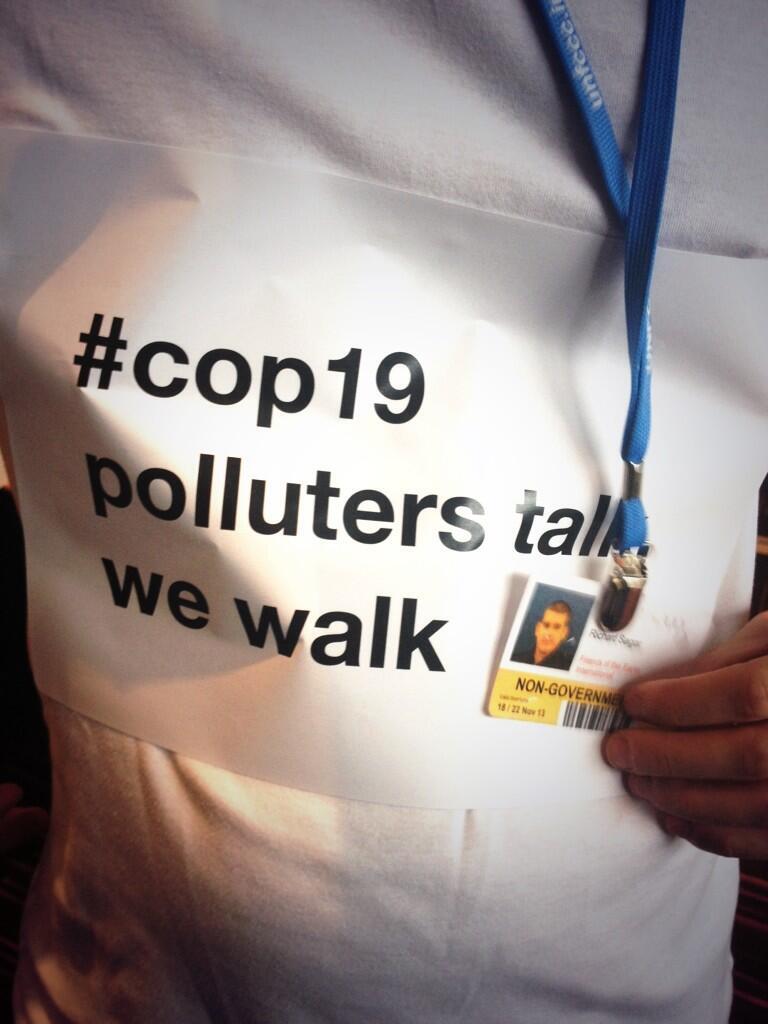
Yesterday over 70 NGOs released a letter calling on the United Nations to implement new rules to safeguard the global climate talks from the undue influence of the fossil fuel industry.

A report by the Global Carbon Project, published today has highlighted how global carbon dioxide emissions from burning fossil fuels will rise to a record 36 billion tonnes this year.
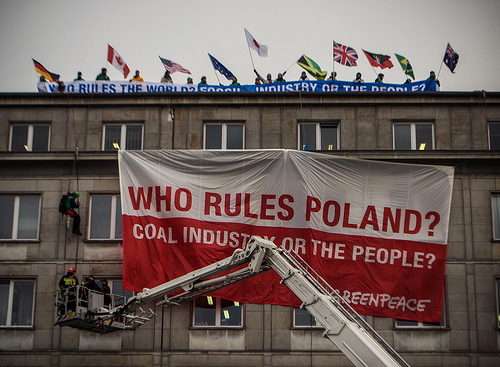
At a Coal Summit in Warsaw today, the coal industry was told it had to leave most of the existing coal reserves in the ground
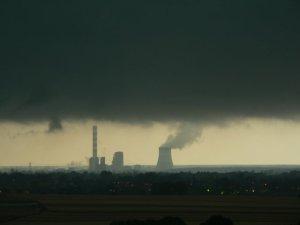
Irony: On the one hand you have the Polish government hosting the UN climate talks in Warsaw, where the talk is all about the emerging climate crisis being driven by fossil fuels. On the other hand, the Polish government is pressing ahead with building a $3.7 billion dirty coal plant which may never be profitable.
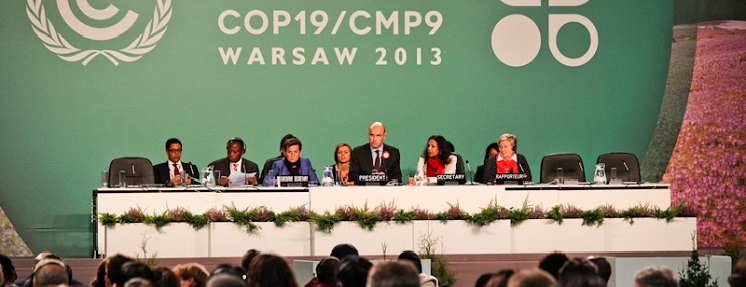
They say history never repeats itself, but a year ago at the United Nations climate talks in Doha, a typhoon hit the Philippines, killing hundreds of people and leaving an estimated quarter of million people homeless.

The International Energy Agency’s flagship annual report, the World Energy Outlook, is out today and it confirms what Keystone XL opponents have been saying all along. Building pipelines will increase tar sands production.

Yesterday was the eighteen anniversary of the murder of Ken Saro-Wiwa. The charismatic, pipe-smoking activist was murdered by the brutal military junta for his campaign against Shell in the Niger Delta.
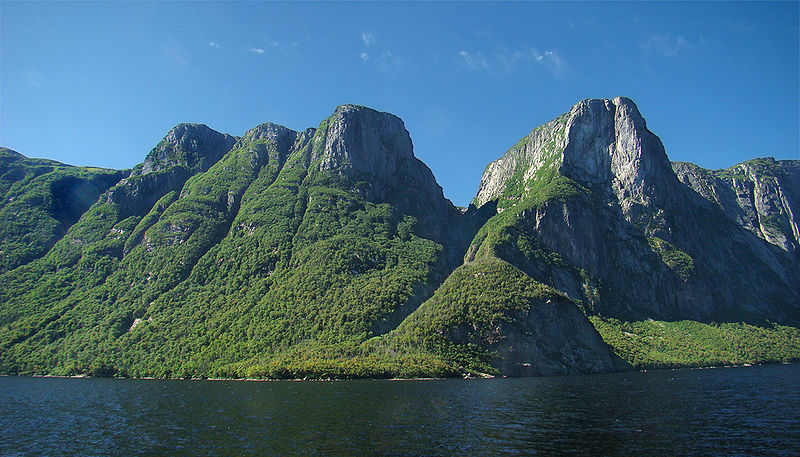
As First Nations continue to fight fracking in New Brunswick, the neighbouring provincial government of Newfoundland and Labrador has halted the controversial drilling technique.