
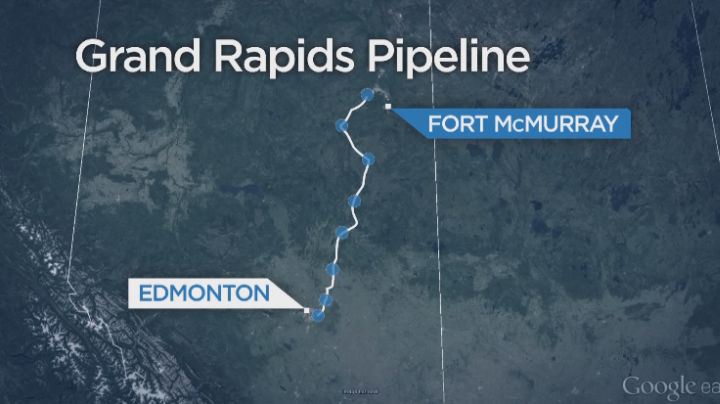
Canada’s First Nations Oppose “Mother of All Pipelines”
Yet another pivotal battle is brewing in Canada, over a little-known pipeline labelled the “mother of all pipelines” by the country’s First Nations.
Read the latest insights and analysis from the experts at Oil Change International.
Yet another pivotal battle is brewing in Canada, over a little-known pipeline labelled the “mother of all pipelines” by the country’s First Nations.
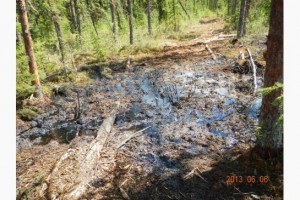
Finally one of Canada’s leading independent tar sands producers has conceded that it is partly to blame for a series of leaks of bitumen in Alberta that have been going on for over a year.
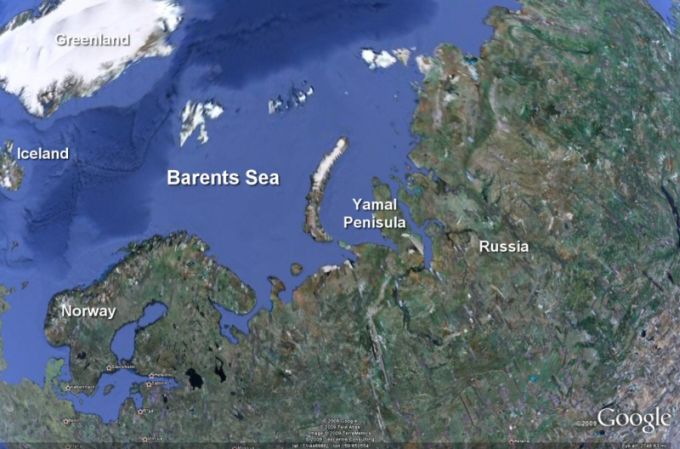
Late last week, the Norwegian government issued a license to energy giant Statoil to allow it to start drilling in the controversial Arctic waters of the Barents Sea.
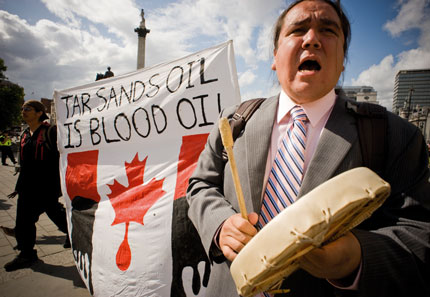
Later today, a scientific study which has examined the health impacts of the toxic tar sands on the health of Canada’s First Nations at Fort Chipewyan in Alberta, will be released.

And so the battle lines have been drawn. On the one hand you have Canada’s federal government, ever eager to please Big Oil, which has just agreed to let Enbridge build its highly controversial $8 billion Northern Gateway pipeline from the toxic tar sands of Alberta to the rugged coast of British Colombia.
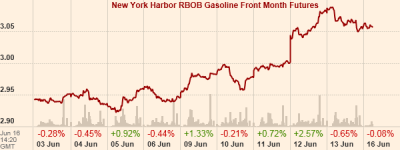
As war rages in Iraq, and oil and gasoline prices rise, the impotence of the US oil boom is exposed.
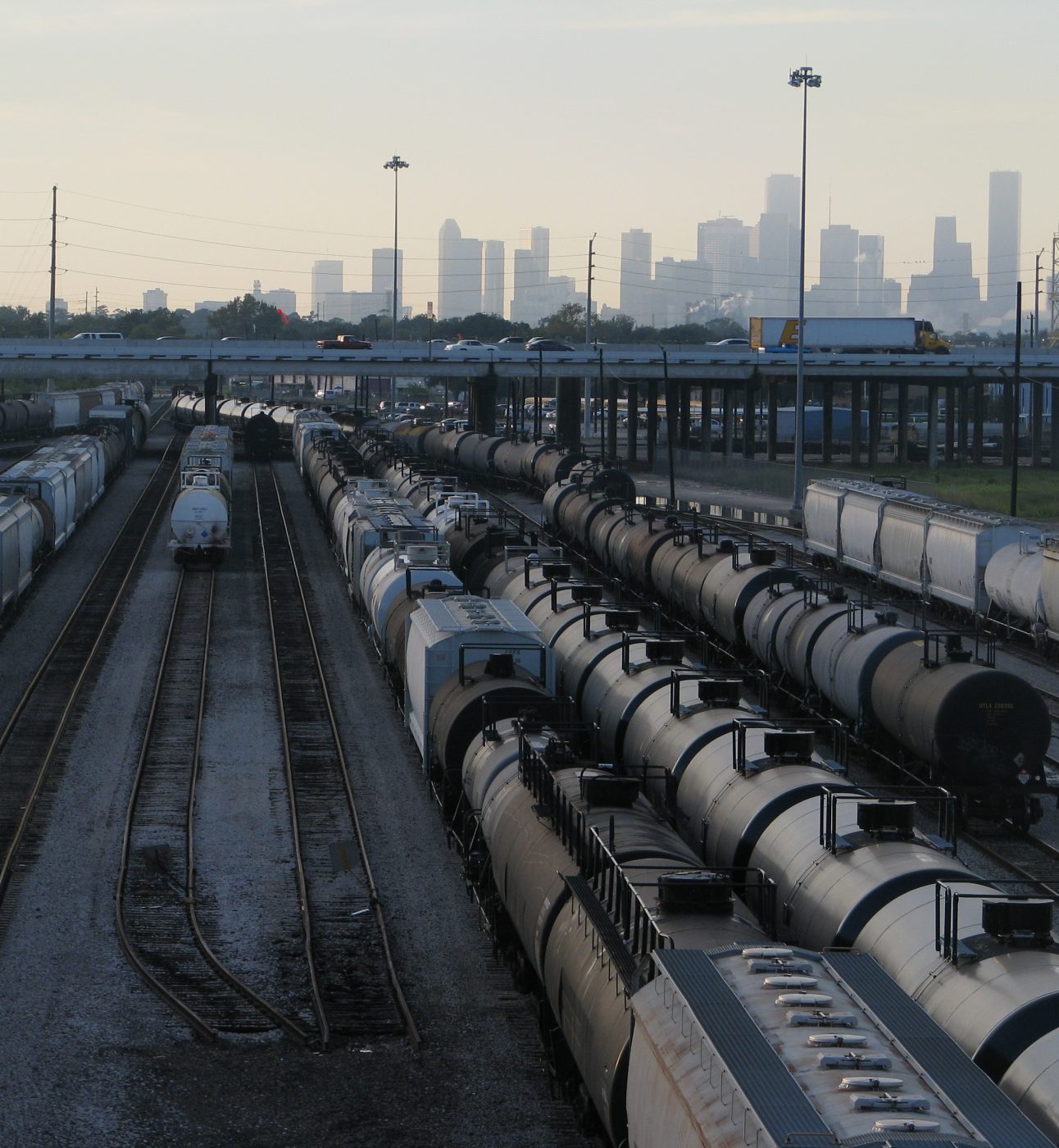
In contrast to claims made by Keystone XL proponents, tar sands crude is trickling into the Gulf Coast by rail.
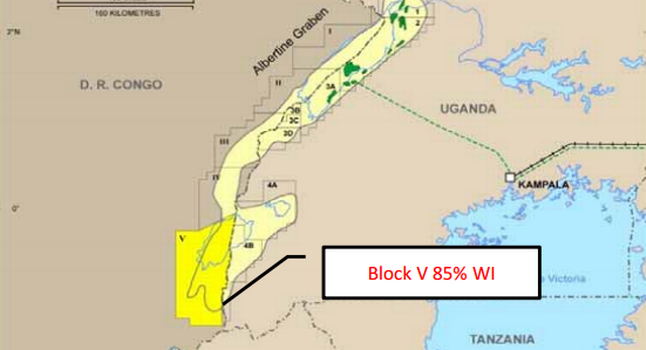
It has all the ingredients for an international blockbuster novel: The stunning setting of Africa’s oldest National park, home to half of all the species on the African continent, including one if its most endangered and iconic animals, the Mountain Gorilla.
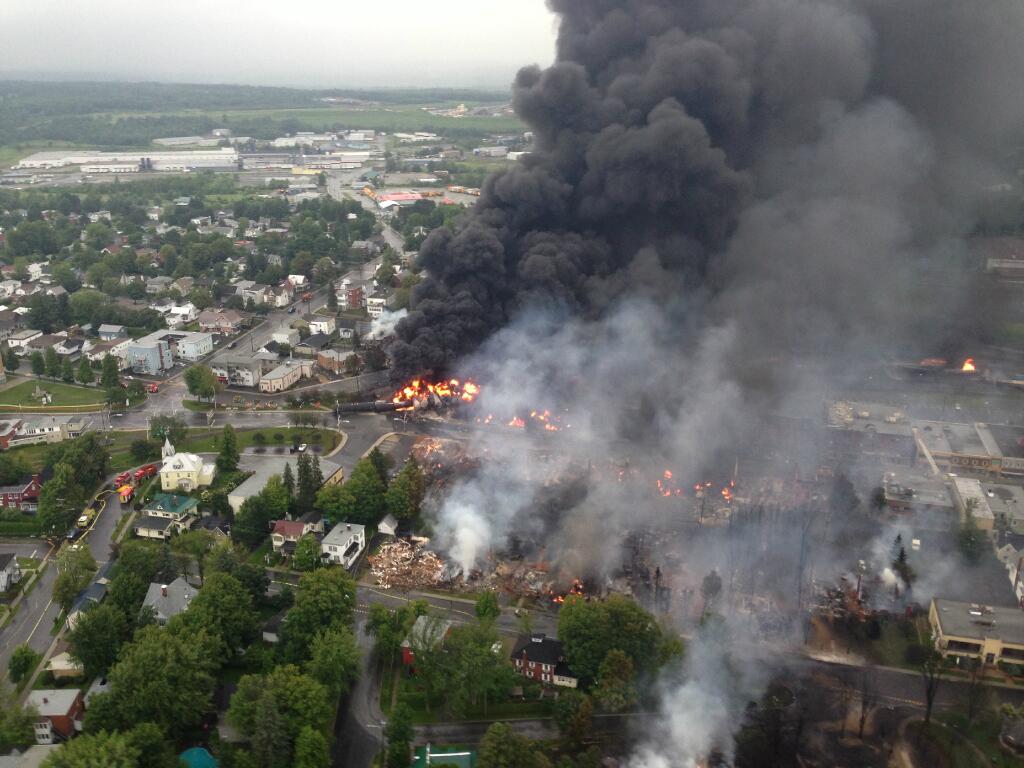
For anyone concerned about the rising spate of crude by rail accidents across North America, the derailment and explosion last July of a crude by rail train in downtown Lac Megantic, Quebec, which killed 47 local residents, has become something of a cause célèbre.
