BP Spill: “The science is telling us that this is not over”
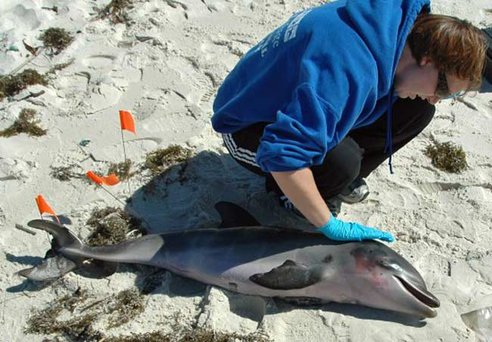
As the fourth anniversary of BP’s devastating Deepwater Horizon spill nears, new research reveals that many species of wildlife are still struggling to recover.
Read the latest insights and analysis from the experts at Oil Change International.
As the fourth anniversary of BP’s devastating Deepwater Horizon spill nears, new research reveals that many species of wildlife are still struggling to recover.
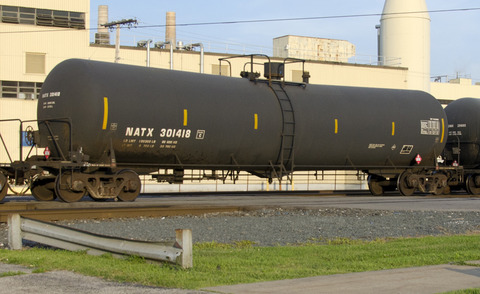
An influential Senator yesterday accused oil companies of prevaricating over providing data to American regulators about the safety of crude by rail trains.
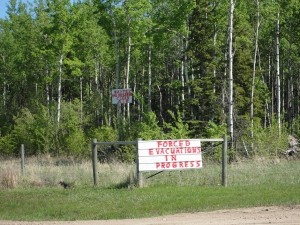
In a landmark report to Alberta’s energy regulator, a panel of experts has concluded that odours from a controversial tar sands processing plant are linked to human health impacts.
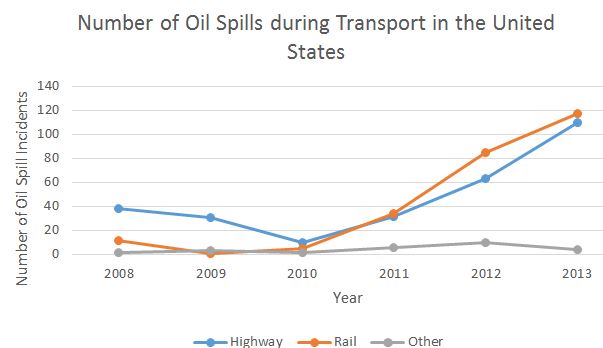
An analysis of oil spilled in the transportation process by Oil Change International using data from the Pipeline and Hazardous Materials Safety Administration Office reveals that the number of spills from crude by rail increased by almost 10 times from 2008-2013.
Today is the 25th Anniversary of the Exxon Valdez disaster and although a quarter of a century has passed since the disaster, its effects are still being felt today.

Is it not time, with the threat of increasing political and economic instability and the growing risk of climate change, that we finally recognize the costs of fossil fuel dependency are too high?
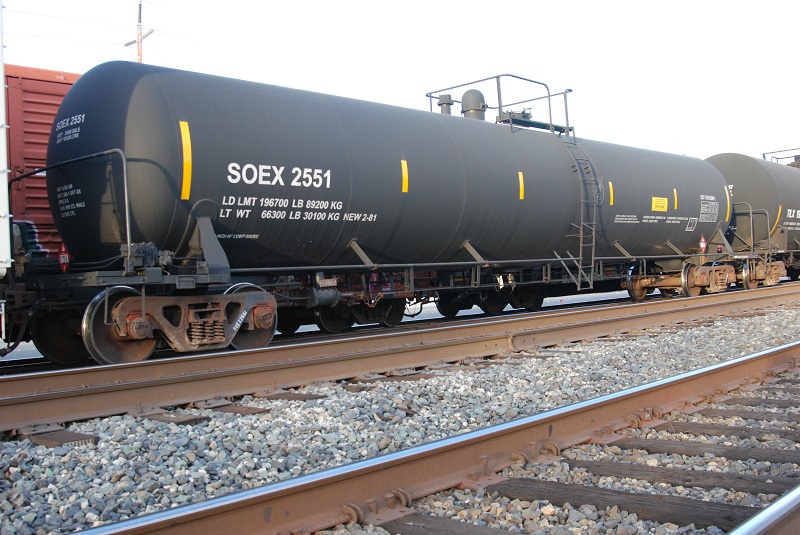
The mayor of Albany, the capital city of New York State, has become the latest elected official of a major American city to demand that the Federal government increase the regulatory oversight of crude by rail trains.
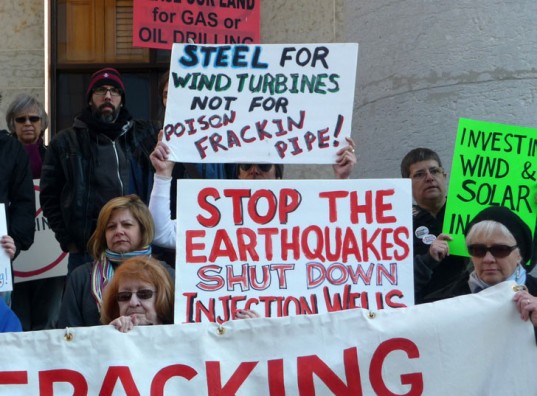
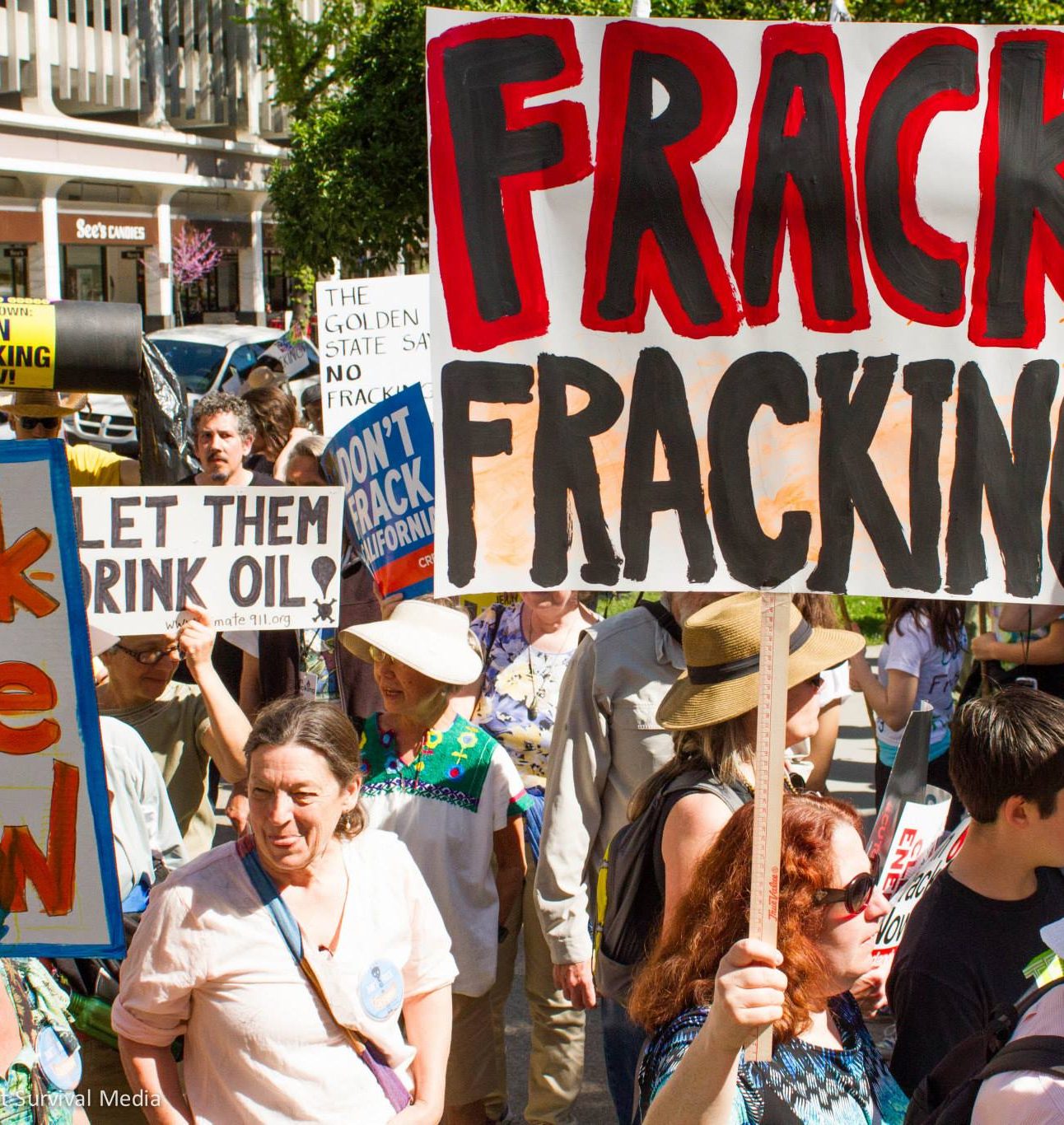
Fracking operations at one site in the state of Ohio remain suspended until further notice after five small earthquakes over a period of twenty four hours earlier this week.