
Oil and gas news & insights: Week of April 20
OCI is producing weekly news and resources updates for allies as part of our response to the COVID-19 crisis.
Read the latest insights and analysis from the experts at Oil Change International.
OCI is producing weekly news and resources updates for allies as part of our response to the COVID-19 crisis.
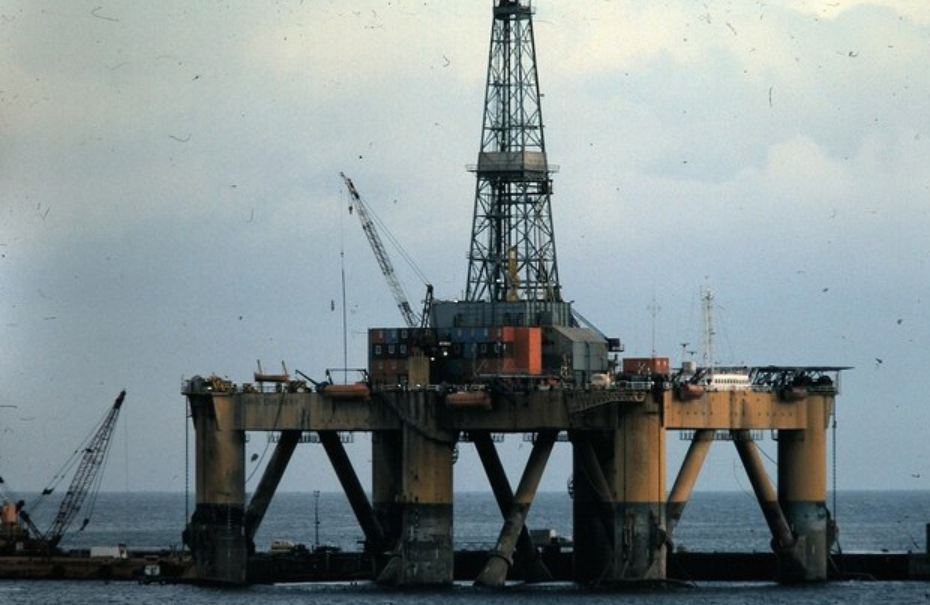
Big Oil faces a new reality where "everything has changed.” Even their long-term survival.
There is no doubt we are at a historical moment with the industry in deep structural and financial trouble and where a post-COVID-19 recovery could see a radical shift away from oil and into a just transition into renewables. But will that happen?
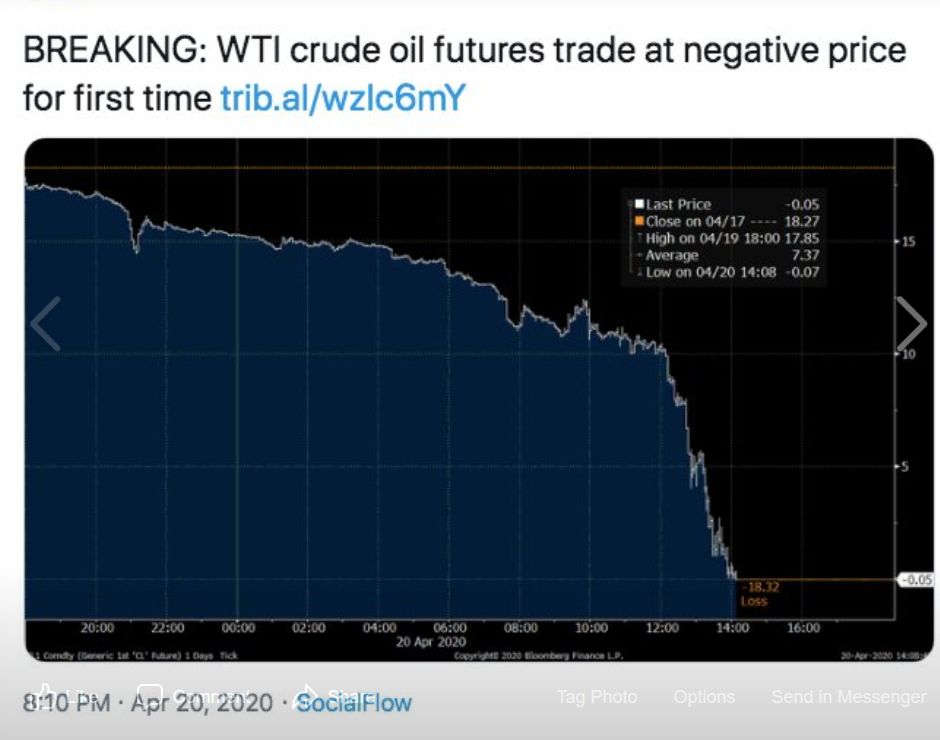
This week the seemingly impossible happened: U.S. oil futures prices went negative for the first time in history. What happens next is up to us.
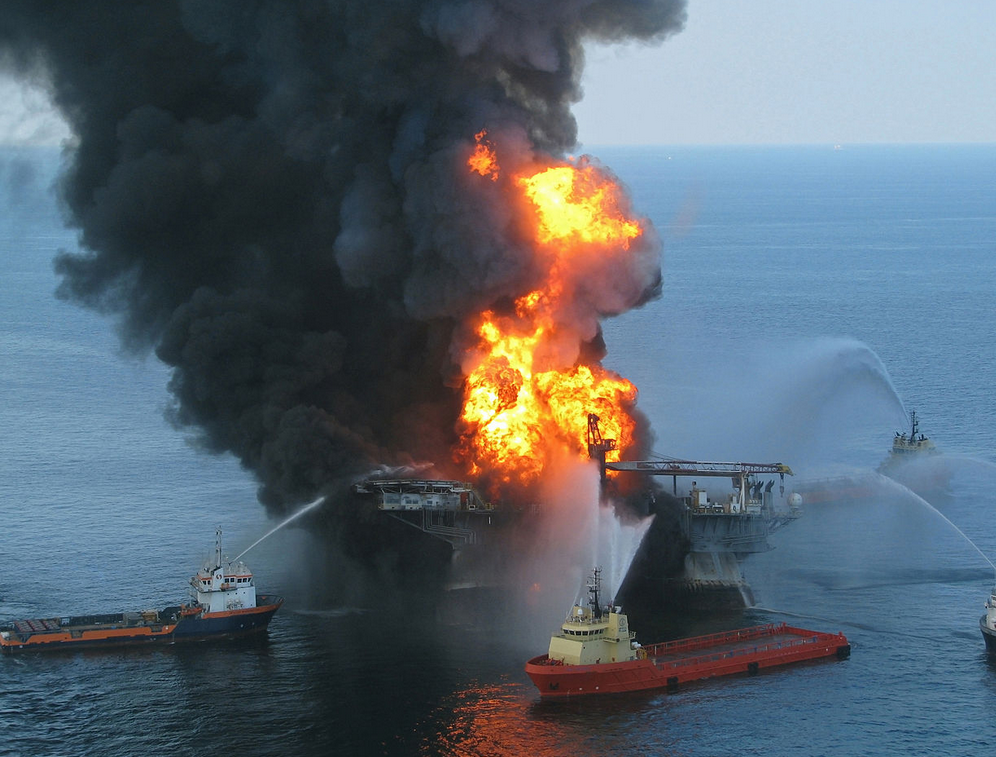
On the 10th Anniversary of the Deepwater Horizon disaster, “If anything, another disaster is more likely today as the oil industry drills deeper and farther offshore."
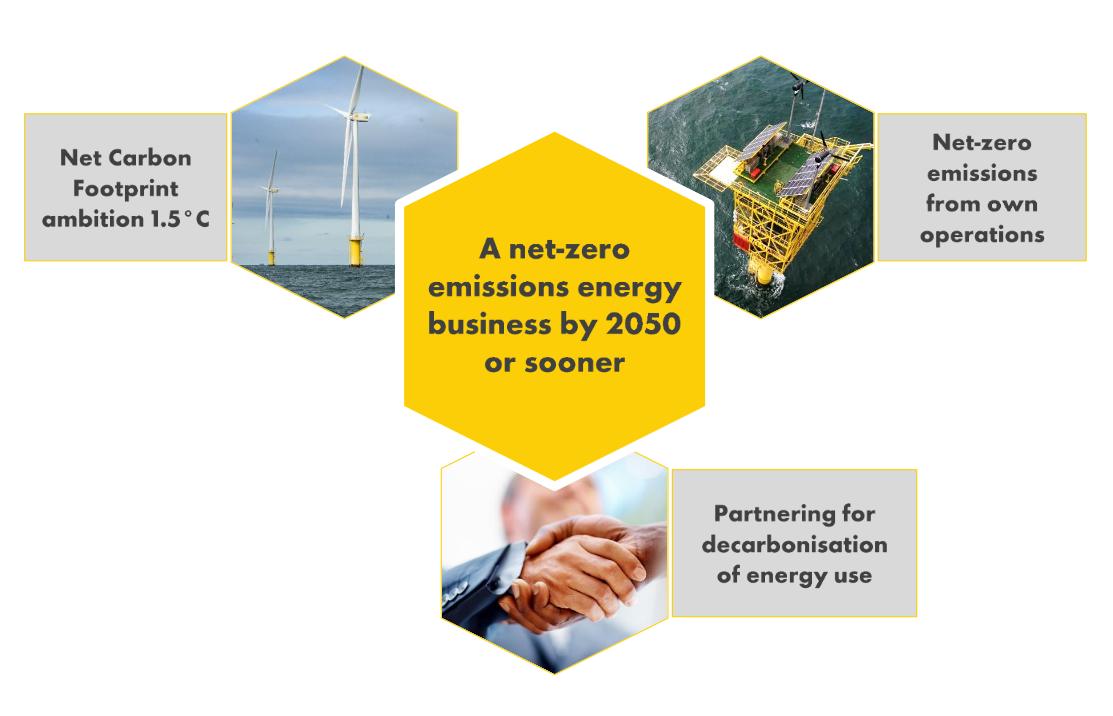
Shell, a company often vilified for being complicit in human rights abuses in Nigeria, of rampant pollution and ignoring the risks of climate change for decades, belatedly wants us to believe it is central to the climate fight.
OCI is producing weekly news and resources updates for allies as part of our response to the COVID-19 crisis.
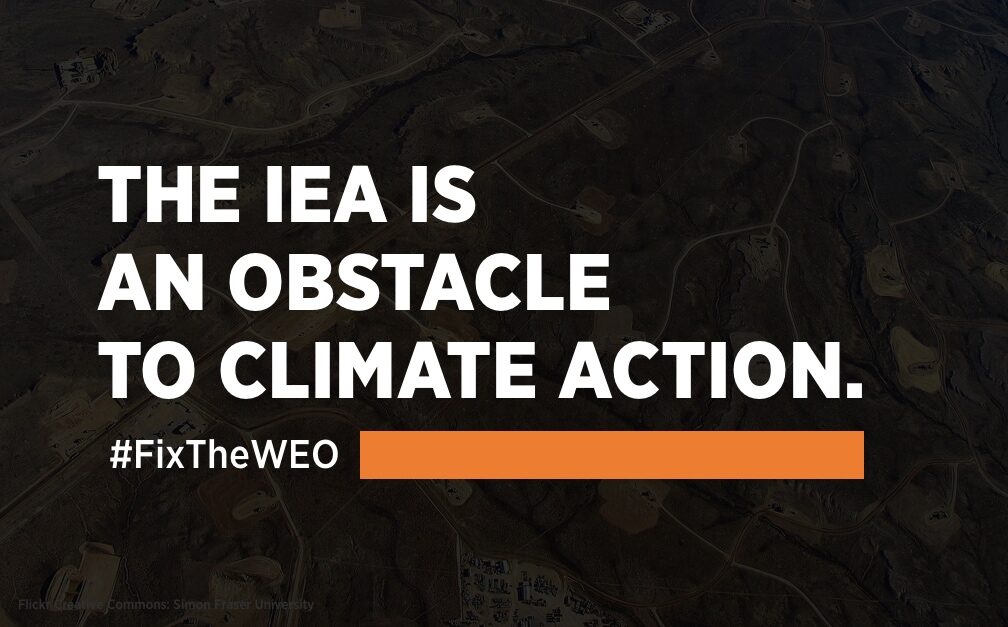
A toolbox isn’t very helpful if even the best tool in it only gets you halfway to the repair you need to make. As the IEA prepares a special report on economic recovery, it must close its own climate credibility gap.
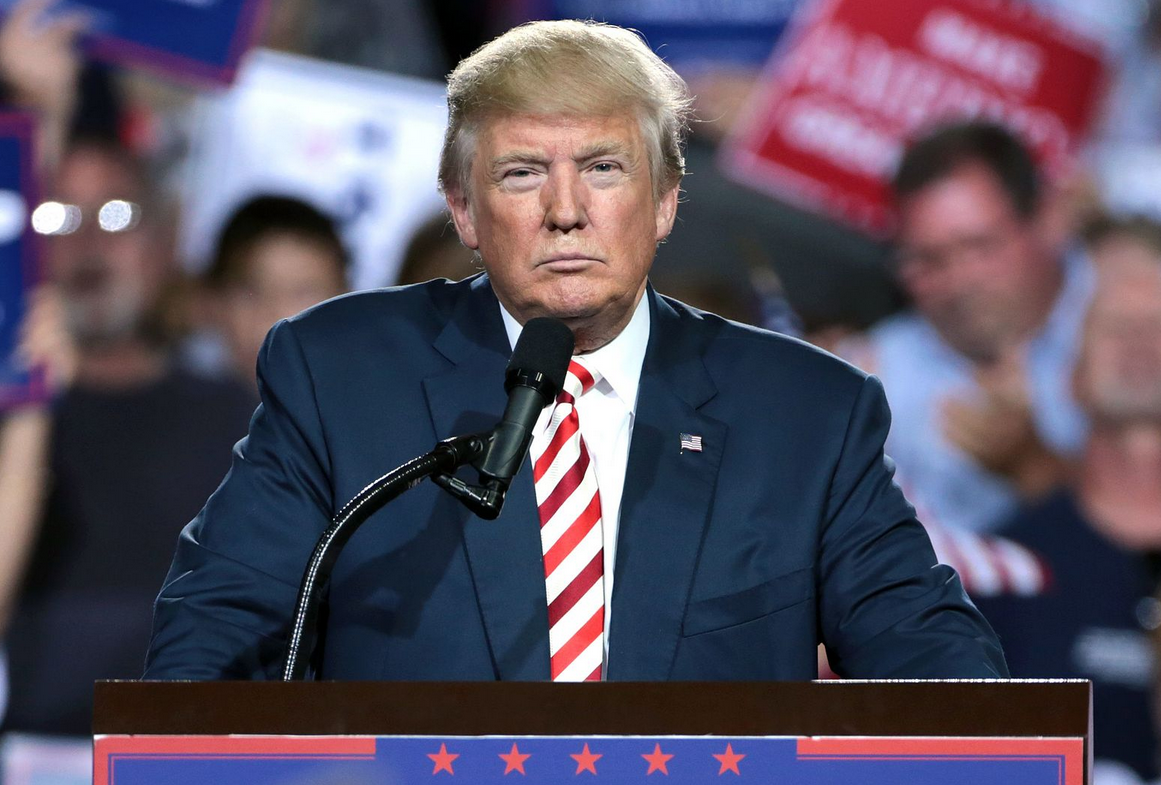
By all accounts Trump’s handling of the Coronavirus pandemic has been a disaster for months.
A day after meeting big oil bosses at the White House last Friday, Donald Trump was at his usual chest-thumbing best defending an industry he loves: “I am a big believer in our great energy business, and we’re going to take care of our energy business,” he said at a press conference.