

Australian Kids Plan “Big School Walkout for Climate Action”
A week on from Black Friday, Australian children are planning a “Big School Walkout for Climate Action”, to demand greater action by the government of climate denier, Scott Morrison.
Read the latest insights and analysis from the experts at Oil Change International.
A week on from Black Friday, Australian children are planning a “Big School Walkout for Climate Action”, to demand greater action by the government of climate denier, Scott Morrison.
The disconnect between the need for action to reduce carbon emissions and the fossil fuel fantasy-land that Trump lives in, has never been greater.
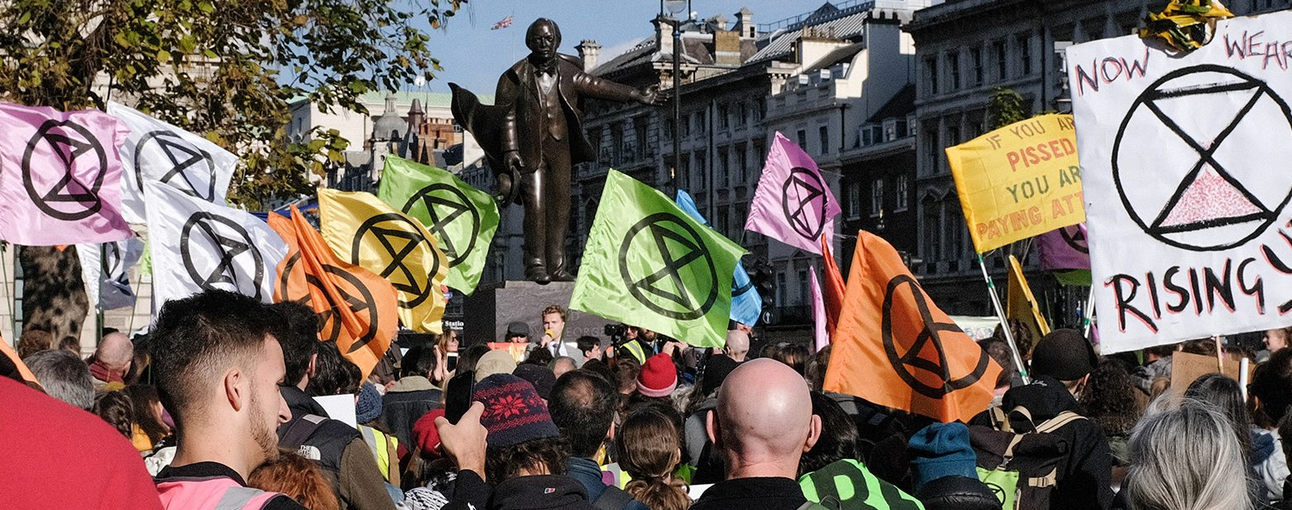
People are rising up. As Trump bumbled his way around California, some 6,000 people took to the streets in London on a major demonstration organised by Extinction Rebellion, blocking five major London bridges.
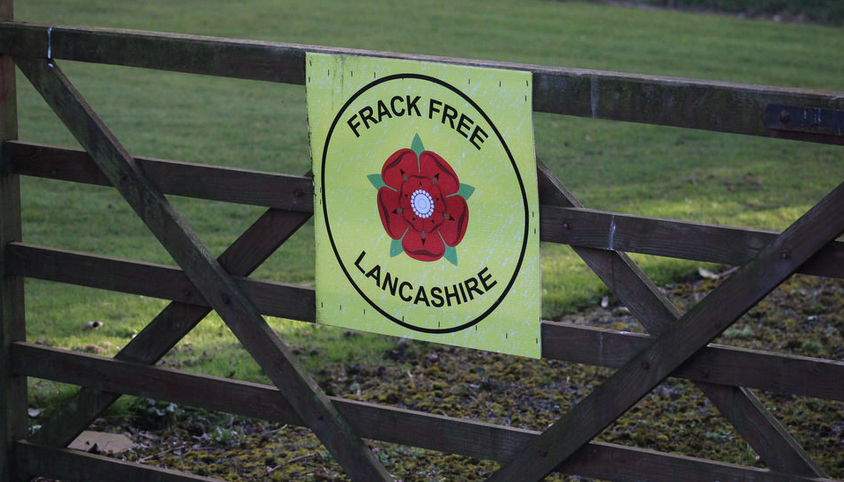
As the UK’s fledgling shale industry lurches from crisis after crisis concerning public acceptability and causing repeated small earthquakes, the UK Government last month appointed what it termed an independent “Shale Gas Commissioner” whose job it is to listen to the concerns of local residents

Today’s release of the World Energy Outlook (WEO) 2018 marked another missed opportunity for the International Energy Agency (IEA) to provide a roadmap to Paris success.
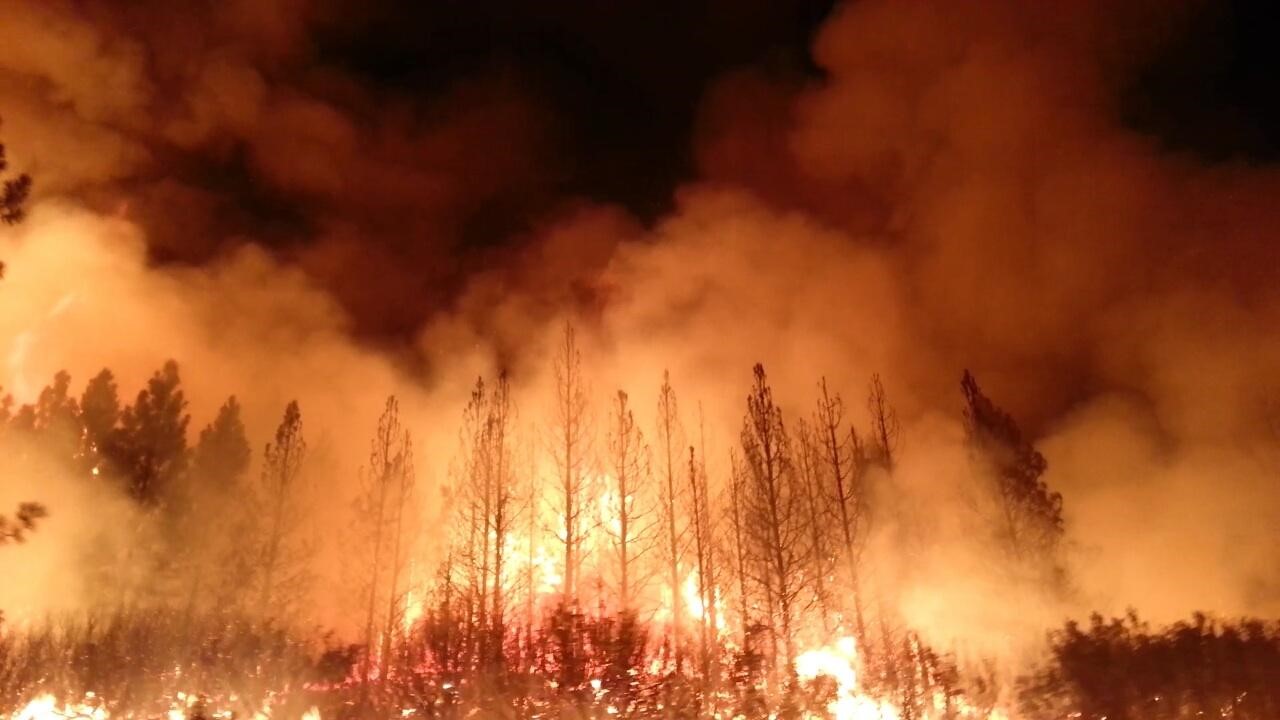
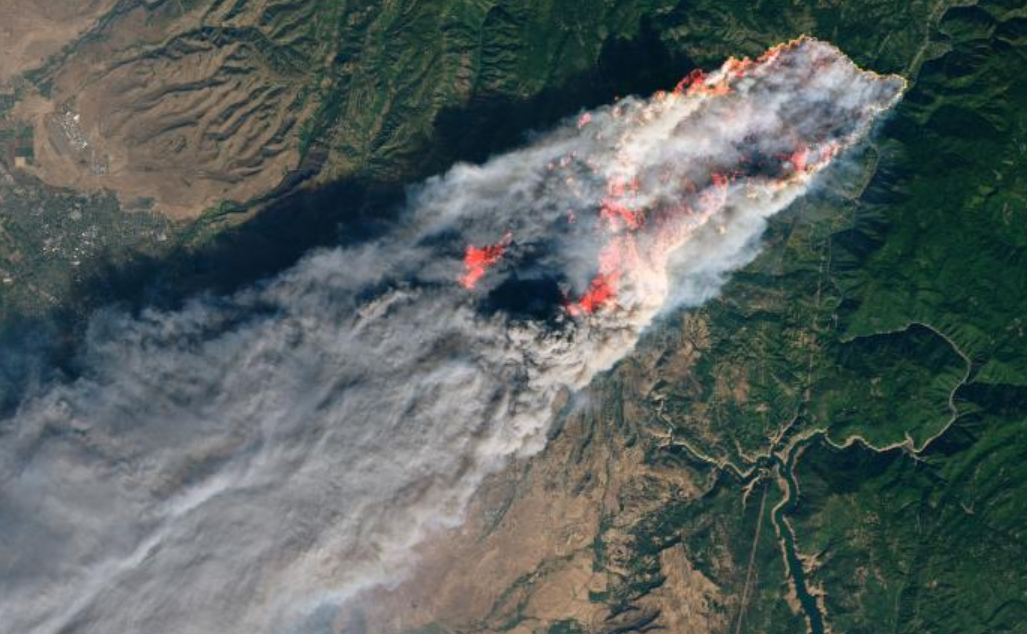
As the deadliest wild-fires ever to hit California continue to rage, an estimated 31 people are known to have died, with over 200 still missing. Some 250,000 have been forced to flee their homes. As California once again reels from wildfires, many are warning that this is climate change in action.
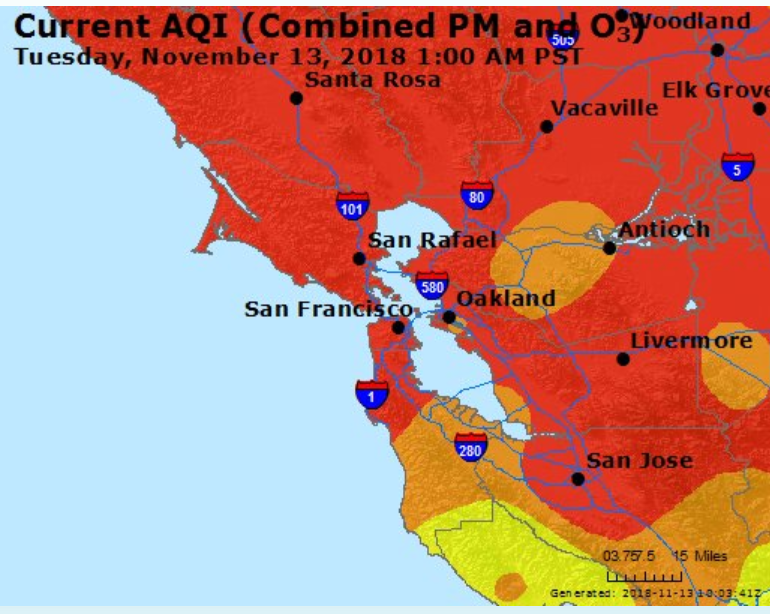
The most devastating wildfires in Californian history are not only ripping through forests and communities but are also causing a wider public health crisis due to polluted air and unhealthy smoke from the burning.

Remembering past struggles against oil: Ida Tarbell, Mohammed Mosaddegh and Ken Saro-Wiwa.
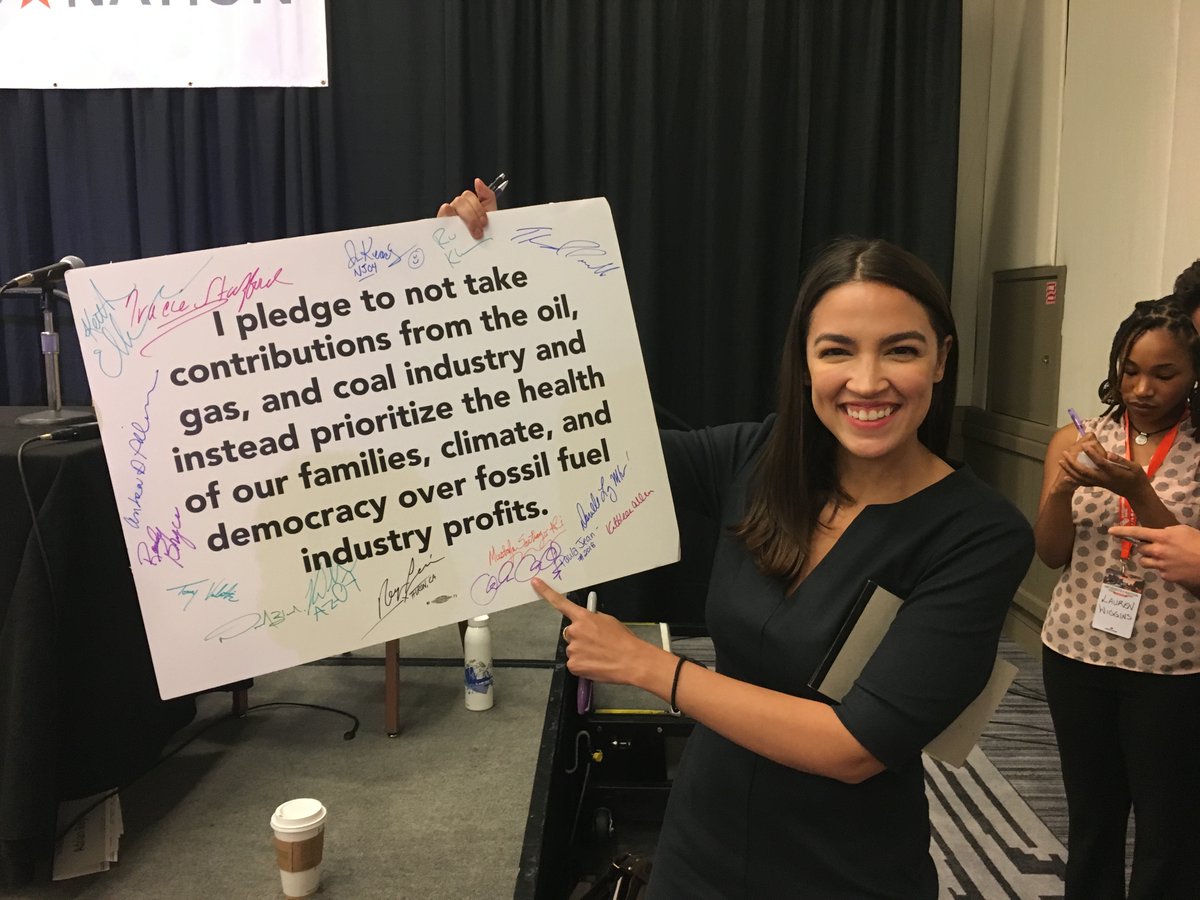
In a sign of things to come, the number of Congress members who've signed the No Fossil Fuel Money Pledge has now more than doubled. Over 30 Members of Congress have now pledged to reject all contributions from the oil, gas, and coal industries, with some races still to be called that could increase that number even further.

As millions of people digest the saturated press coverage of the mid-terms, and wonder what the next two-years of a chaotic and destructive Trump Presidency will mean with the Republican loss of the House, it is easy to miss other issues that were also voted on this week.