
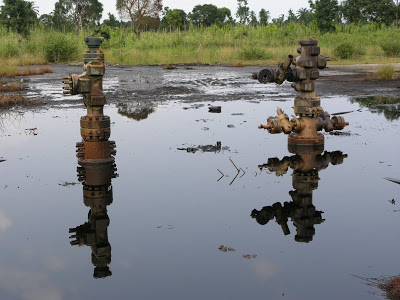
Shell Accused of “Hijacking” Clean-up Process in Niger Delta
Today is the nineteen anniversary of the muder of the writer, Ken Saro-Wiwa, by the Nigerian junta for his campaign against the oil giant Shell.
Read the latest insights and analysis from the experts at Oil Change International.
Today is the nineteen anniversary of the muder of the writer, Ken Saro-Wiwa, by the Nigerian junta for his campaign against the oil giant Shell.
Often the way a state reacts to those protesting against it tells you a great deal about its moral fabric and values.
In a case that will be watched keenly worldwide, a Canadian Federal Court will today start reviewing the approval last December of the expansion of Shell’s controversial Jackpine tar sands mine in Alberta.
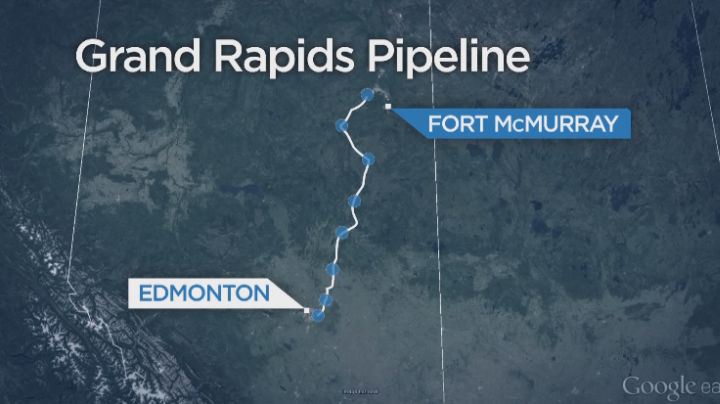
Yet another pivotal battle is brewing in Canada, over a little-known pipeline labelled the “mother of all pipelines” by the country’s First Nations.
Later today, a scientific study which has examined the health impacts of the toxic tar sands on the health of Canada’s First Nations at Fort Chipewyan in Alberta, will be released.
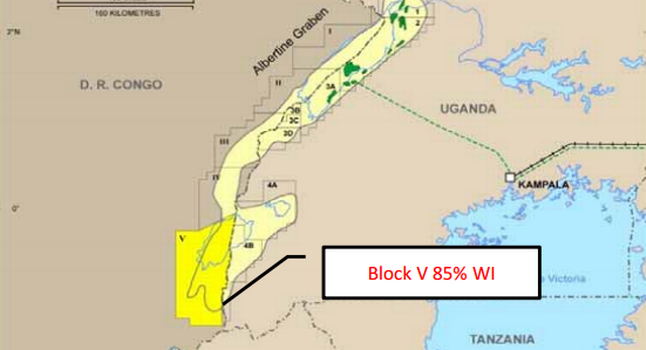
It has all the ingredients for an international blockbuster novel: The stunning setting of Africa’s oldest National park, home to half of all the species on the African continent, including one if its most endangered and iconic animals, the Mountain Gorilla.
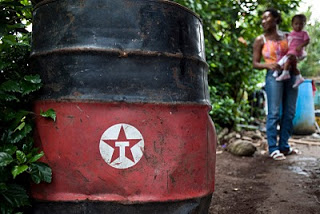
Indigenous rights groups yesterday reacted angrily yesterday to what they labelled as a “misguided judgement” by a New York District Court Judge, Lewis Kaplan, who ruled that lawyers representing Amazonian Indians had used “corrupt means” and “fraud” to win a legal case against Chevron in Ecuador.
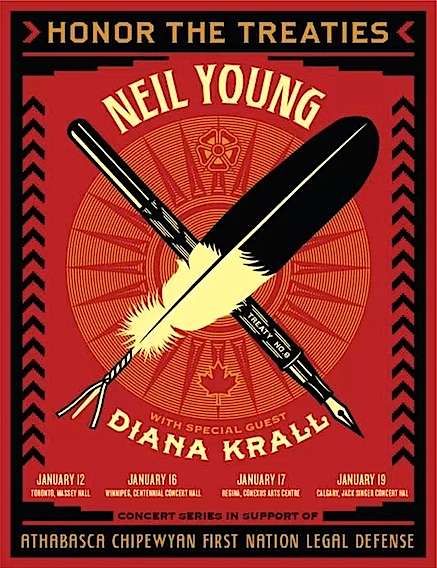
Rock legend Neil Young continued his week-long “Honor the Treaties” tour of Canada yesterday by likening the tar sands to a war zone.
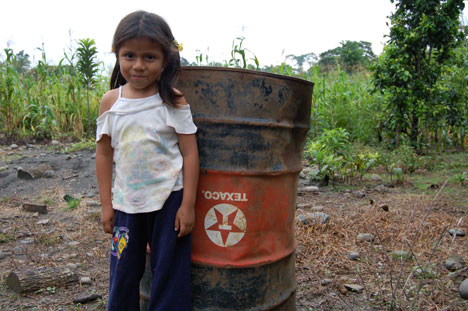
In the long and tortuous legal battle between indigenous communities in Ecuador against the oil giant Chevron, the plaintiffs scored a major victory yesterday in, of all places, Canada.
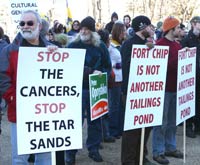
The Canadian press is reporting that the Albertan government is preparing to release new data “within weeks” about cancer rates in Fort Chipewyan, the First Nations community which is just under 300 kilometers north of Fort McMurray.