
The day the polar bear beat the Wall Street bull
Yesterday was day two of the dynamic and energised protests against climate change in New York which saw several thousand activists take part in “Flood Wall Street.”
Read the latest insights and analysis from the experts at Oil Change International.
Yesterday was day two of the dynamic and energised protests against climate change in New York which saw several thousand activists take part in “Flood Wall Street.”
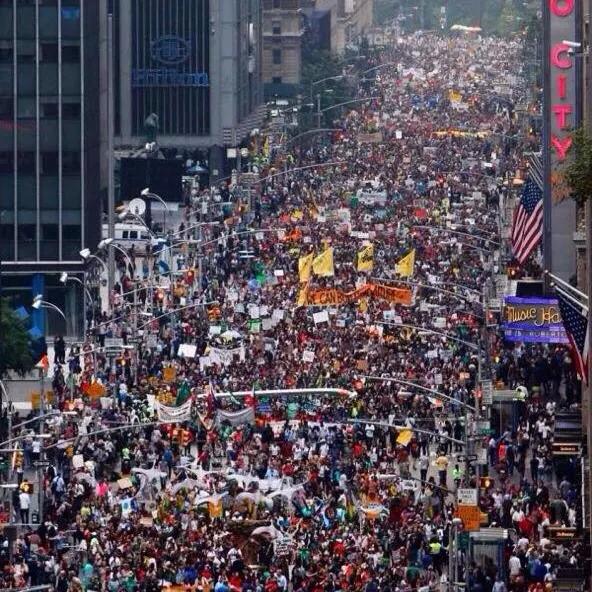
400,000 in New York. 40,000 in London. 30,000 in Melborne. 25,000 in Paris. Thousands others in some 2,700 events across the globe in over 150 countries.

On Sunday, hundreds of thousands of people are expected to take part in what the organisers are promising to be the largest climate march ever in New York.
Next week, on the 23 September, the United Nations will hold its most important climate summit for years in New York, which will attended by some 125 heads of state.
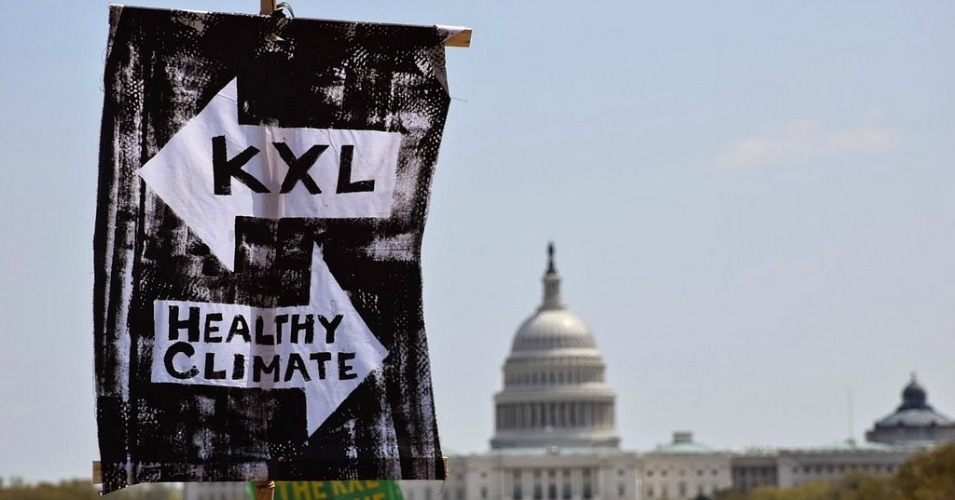
A new scientific study argues that the State Department has seriously underestimated the climate emissions from Keystone XL. The study concludes that the pipeline could produce four times more greenhouse gases than the State Department calculated.
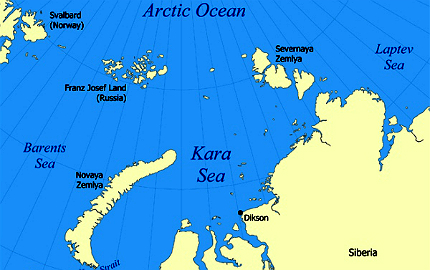
For the oil industry business comes first. After years of preparation, on Saturday Exxon began drilling a $700 million well in the Kara Sea in Russia's Arctic. It is Russia’s most northerly well.
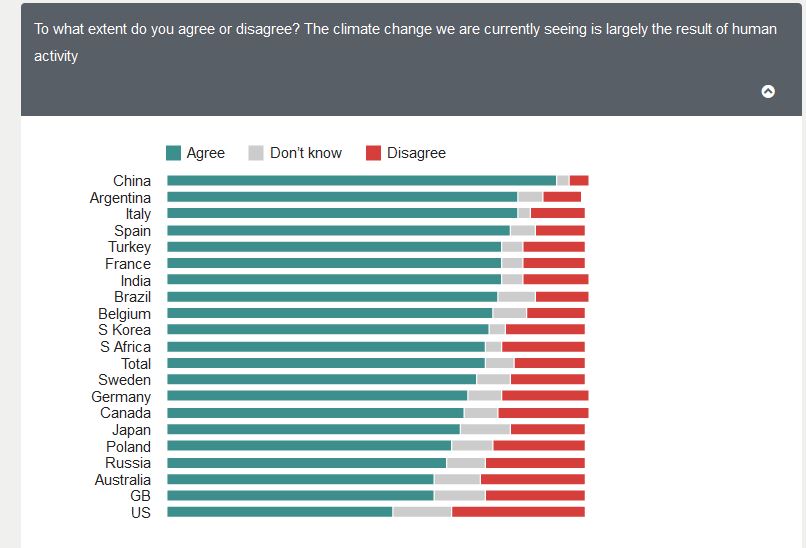
Last week the polling company, Ipsos-Mori, published its first ever Global Trends Report, which examined our attitudes to a whole host of topics such as technology, privacy, marriage, migration, health, globalisation, inequality, science and the environment.
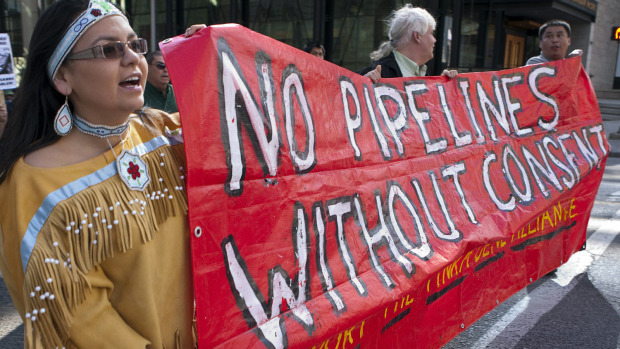
The clock is ticking. Within the next ten days, the Canadian federal government is expected to announce its final decision on the controversial Northern Gateway pipeline, which will transport toxic tar sands from Alberta via British Colombia to the Pacific Coast.
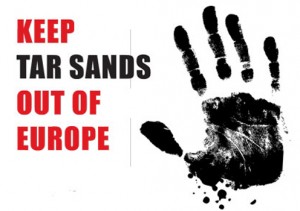
After one of the most aggressive and disingenuous lobbying campaigns in recent years, Canada has won “big concessions” in its fight against the landmark European climate legislation, called the Fuel Quality Directive (FQD)