Research

Oil Change International publishes upwards of 20 reports and briefings every year focused on supporting the movement for a just phase-out of fossil fuels.

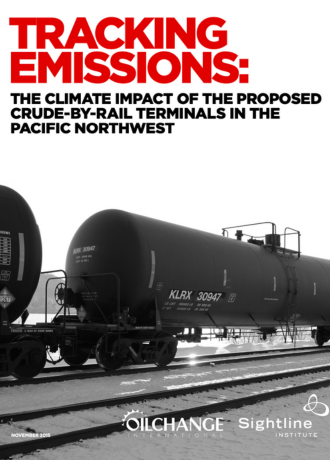
Tracking Emissions: The Climate Impact of the Proposed Crude-by-Rail Terminals in the Pacific Northwest

The states of Washington and Oregon are facing a quadrupling of their crude-by-rail terminal capacity to over a million barrels a day. This report examines the impact that expansion will have on unlocking carbon and thereby exacerbating climate change.
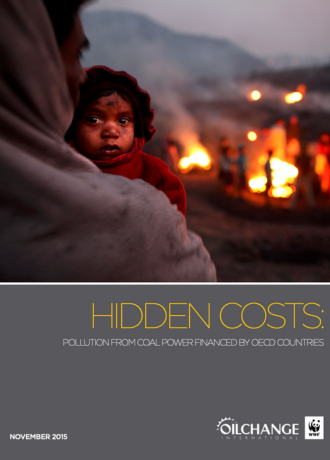
Hidden Costs: Pollution from Coal Power Financed by OECD Countries

OECD countries support coal-fired power plants abroad by providing preferential financing through institutions called Export Credit Agencies (ECAs). These coal-fired power plants have significant costs, in the form damages to the health of local populations from air pollution, and the cost of climate-change causing emissions. This report finds that support for coal-fired power plants from the ECAs of OECD countries is implicated in tens of billions of dollars in local health impacts and climate change pollution each year.

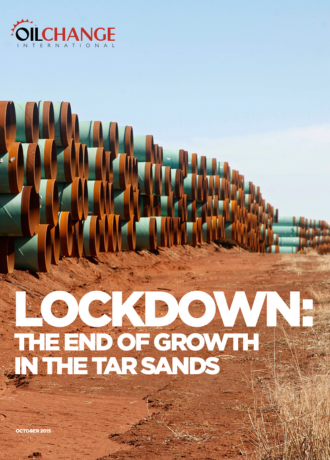
Lockdown: The End of Growth in the Tar Sands

The pipelines exporting tar sands out of Alberta are almost full, according to new analysis by Oil Change International. Without major expansion-driving pipelines such as Energy East, Kinder Morgan or Keystone XL, there will be no room for further growth in tar sands extraction and tens of billions of metric tonnes of carbon will be kept in the ground.

The Cost of Subsidizing Fossil Fuel Production In Turkey

Market distorting subsidies to fossil fuels contribute to greenhouse gas (GHG) emissions and impede the transition to sustainable, low-carbon development. In 2009, G-20 countries committed to phase out “inefficient” fossil fuel subsidies in an effort to specifically address climate change and boost investment in clean energy sources. It has been five years since the G-20 commitment, yet very little progress has been made to end these subsidies.

Untouchable: The Climate Case Against Arctic Drilling

There is a clear logic that can be applied to the global challenge of addressing climate change: when you are in a hole, stop digging. If we are serious about tackling the global climate crisis, we need to stop exploring, expanding, and ultimately exploiting fossil fuels. This is especially true for high cost, high carbon, high risk frontier projects such as offshore Arctic oil. 

U.S. East Coast is key crude-by-rail destination

An examination of crude-by-rail data shows that the U.S. east coast has become one of the busiest regional destinations for hazardous crude-by-rail traffic. Oil Change International used publicly available Department of Energy (EIA) data as well as subscription data from Genscape to examine the growth of crude-by-rail to one of the most densely populated areas of the United States.

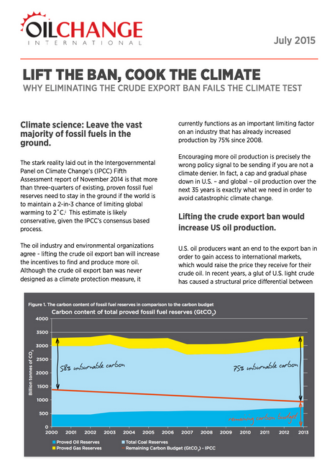
Lift the Export Ban, Cook the Climate

Today we’re releasing a new briefing, entitled “Lift the Ban, Cook the Climate: Why Eliminating the Crude Export Ban Fails the Climate Test,” detailing why Congress and the President should stand up to current efforts by the oil industry to eliminate the ban on crude oil exports.

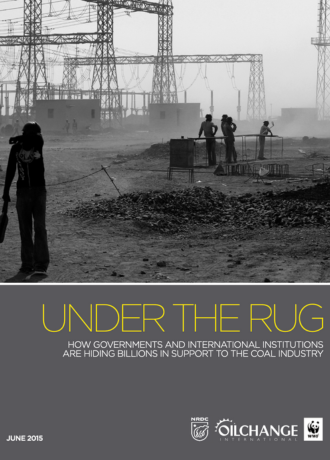
Under the Rug: How Governments and International Institutions are Hiding Billions in Support to the Coal Industry

Combining all known public sources, and augmenting them with subscription industry databases, this report makes comprehensive information on public financing for coal easily accessible for the first time.

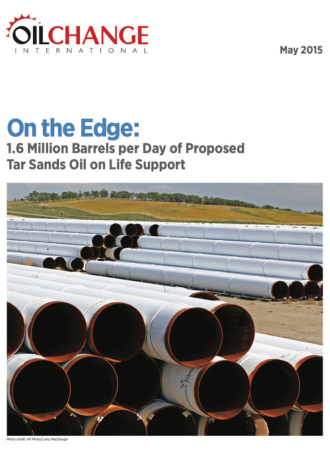
On the Edge: 1.6 million barrels per day of proposed tar sands oil on life support

The Canadian tar sands is among the most carbon-intensive, highest-cost sources of oil in the world. Even prior to the precipitous drop in global oil prices late last year, three major projects were cancelled in the sector with companies unable to chart a profitable path forward.

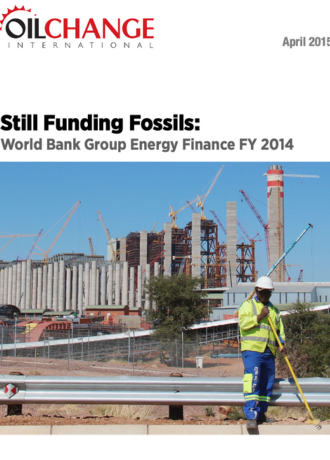
Still Funding Fossils: World Bank Group Energy FY 2014

Despite repeated calls for urgent action on climate change, the World Bank Group increased funding for fossil fuels in its last fiscal year. The World Bank’s increase in fossil fuel finance is especially disappointing as 2014 was the first full fiscal year following the World Bank’s commitment to limit coal financing due to climate concerns.