
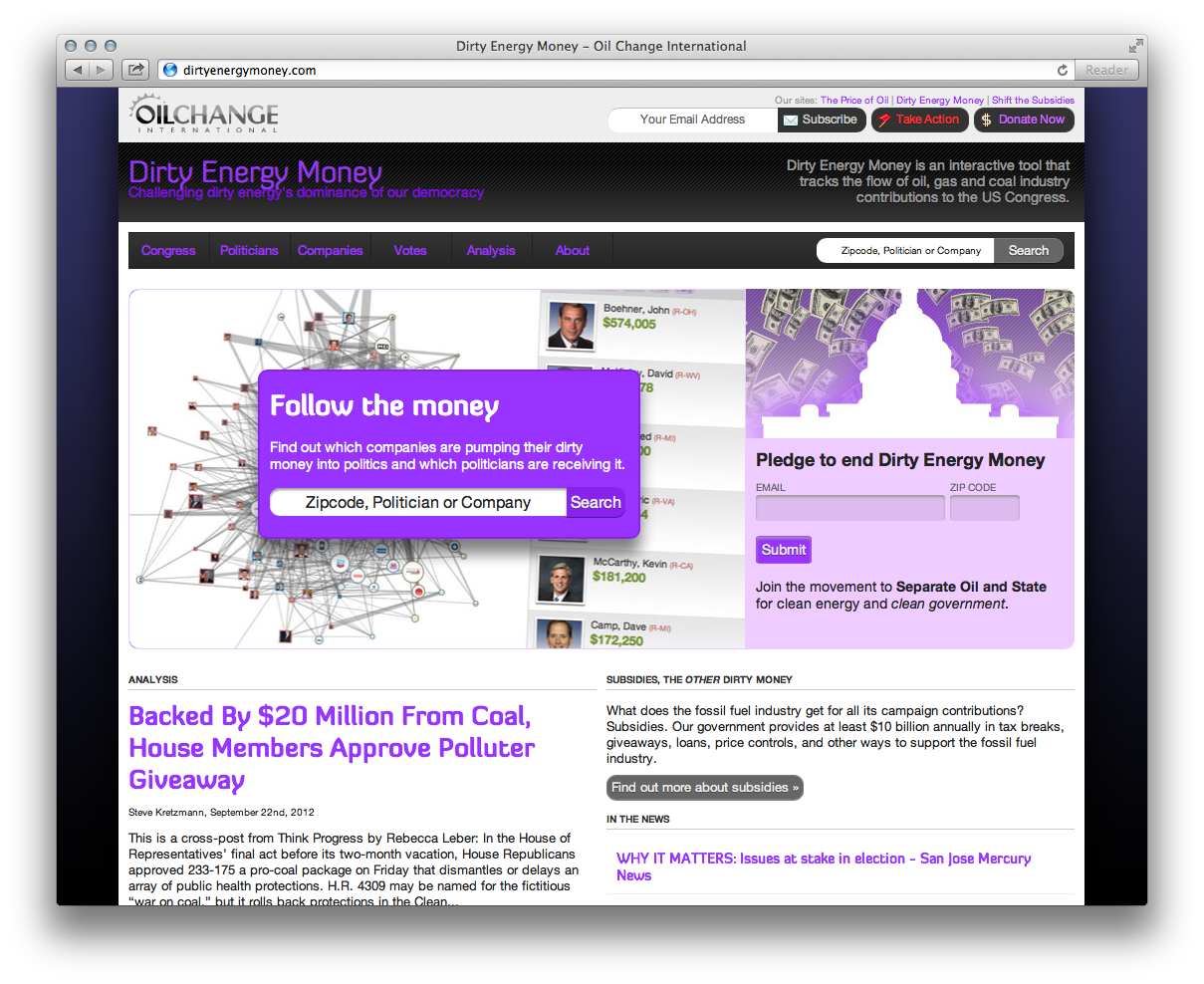
DirtyEnergyMoney.com
Dirty Energy Money is an interactive tool that tracks the flow of oil, gas and coal industry contributions to the US Congress.
Dirty Energy Money is an interactive tool that tracks the flow of oil, gas and coal industry contributions to the US Congress.
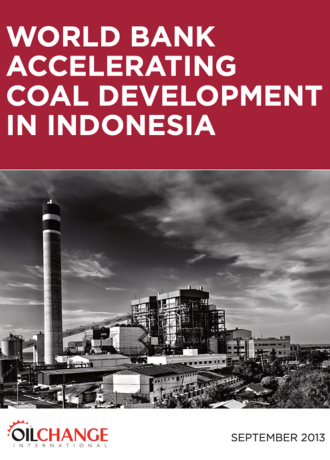
The World Bank’s infrastructure program in Indonesia stipulates policies and government subsidies that promote the accelerated development of over 16 GW of coal power projects in the country ahead of developing feasible renewable alternatives.
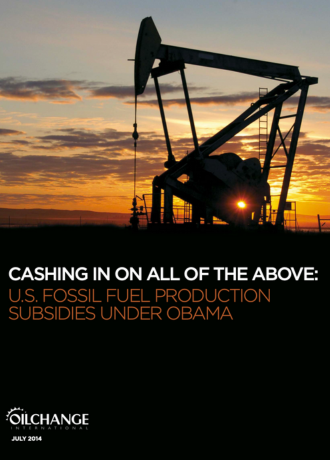
A new report by Oil Change International, Cashing in on All of the Above: U.S. Fossil Fuel Production Subsidies under Obama, demonstrates the huge and growing amount of subsidies going to the fossil fuel industry in the U.S. every year....
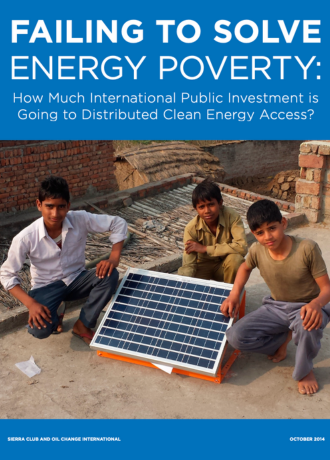
Today, Oil Change International and the Sierra Club released a report finding that none of the major multilateral development banks are succeeding in reaching the world’s poor with their energy projects.
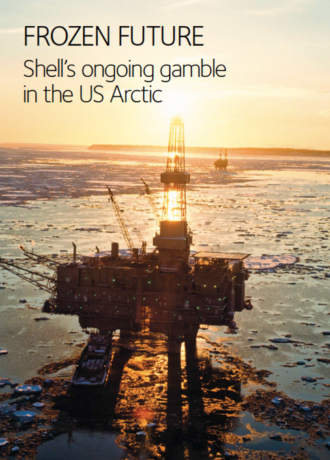
This briefing examines Shell's Arctic experiences and outlines key operational and economic issues. We suggest questions investors should ask Shell, to understand whether the company has adequately assessed the various risks it faces.
Despite repeated calls for urgent action on climate change, the World Bank Group increased funding for fossil fuels in its last fiscal year. The World Bank’s increase in fossil fuel finance is especially disappointing as 2014 was the first full...
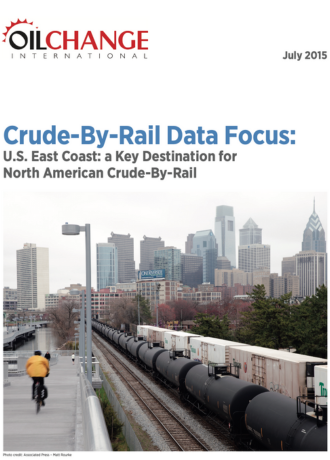
An examination of crude-by-rail data shows that the U.S. east coast has become one of the busiest regional destinations for hazardous crude-by-rail traffic. Oil Change International used publicly available Department of Energy (EIA) data as well as subscription data from...
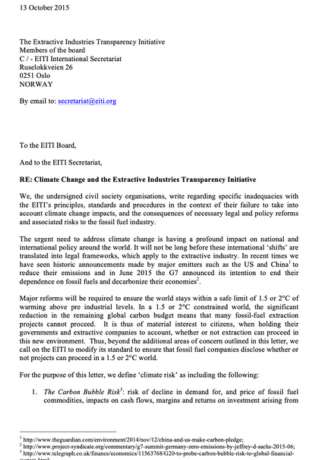
Oil Change International joins hundreds of organizations worldwide that have written to the Extractive Industries Transparency Initiative (EITI) board calling on global reporting standards for extractive industries to include transparency from fossil fuel companies about the future viability of their oil, coal...
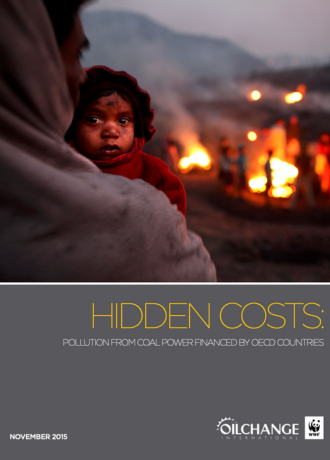
OECD countries support coal-fired power plants abroad by providing preferential financing through institutions called Export Credit Agencies (ECAs). These coal-fired power plants have significant costs, in the form damages to the health of local populations from air pollution, and the cost...
The idea that greater pipeline capacity and access to tidewater would maximize the value Alberta receives for its tar sands crude is a standard talking point for industry, politicians, and other commentators in the ongoing oil price-induced recession in Alberta.