Climate Momentum: More banks pull out of controversial East African pipeline
Under pressure from civil society, eleven banks have now confirmed that they will no longer fund the controversial East African Crude Oil Pipeline.
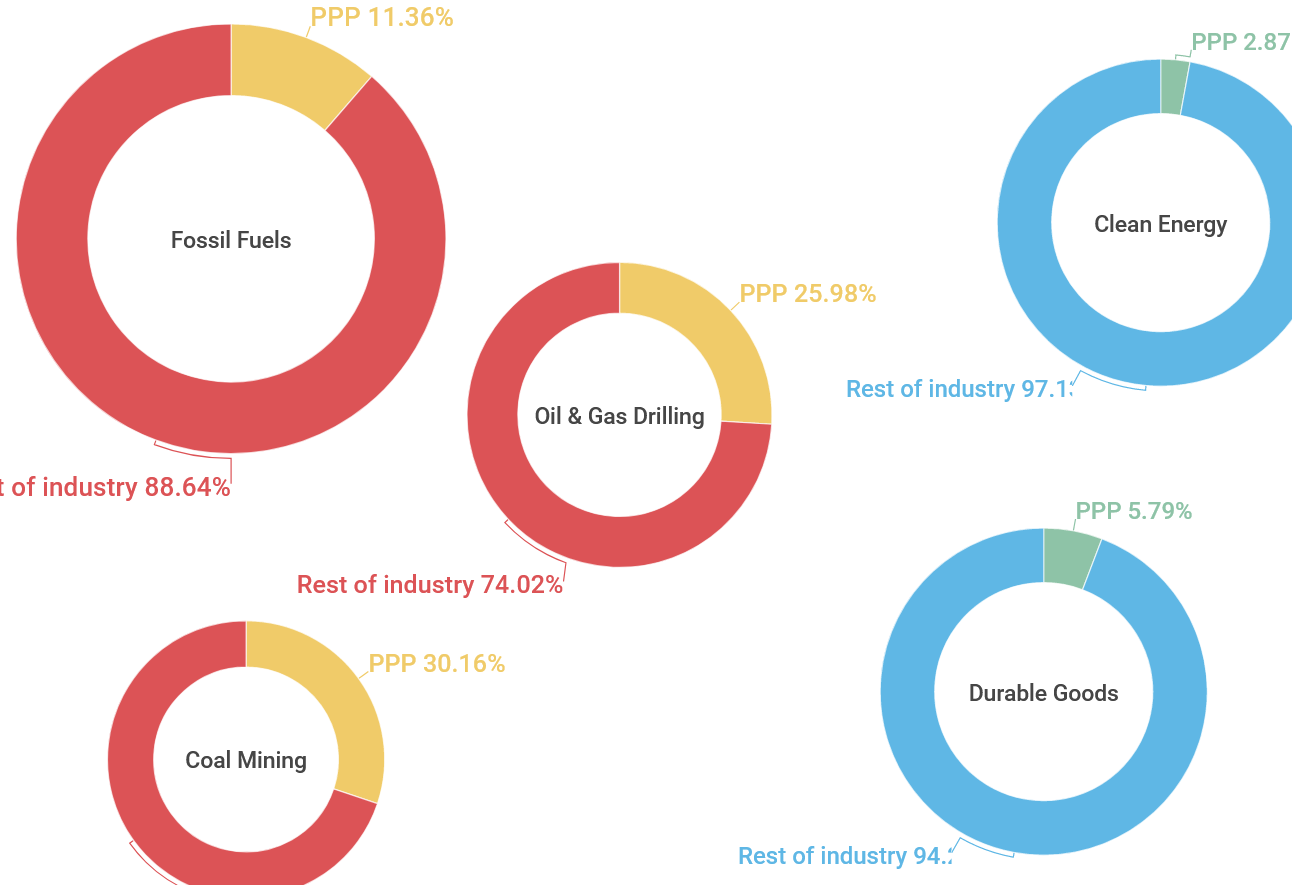
A new analysis from Bailoutwatch concludes that "fossil fuel companies participated in the government’s Paycheck Protection Program to bail out small businesses at far higher rates than companies in other key sectors".
Rather than fund a just transition, the Canadian government is “preparing a multibillion-dollar bailout package for Canada’s oil and gas sector that is expected to be unveiled early next week”.
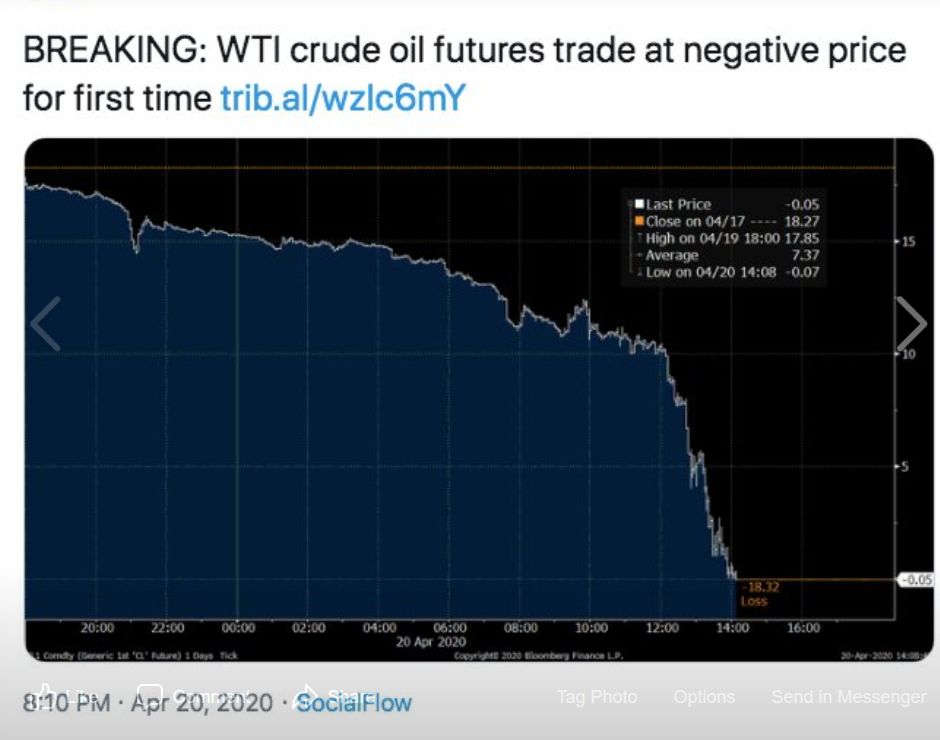
It would make a great April Fools joke. Investing $5 billion in a product that is nearly worthless in the middle of a global pandemic, which puts communities and construction workers at risk. Make sense to you? No, of course...
There is no doubt we are at a historical moment with the industry in deep structural and financial trouble and where a post-COVID-19 recovery could see a radical shift away from oil and into a just transition into renewables. But...
Big Oil faces a new reality where "everything has changed.” Even their long-term survival.
We are struck by some parallels between the Ogoni struggle, the insistent energy of the recent School Strikes and Extinction Rebellion's actions over the past weeks.
Twice as many Americans want climate action, not war. It is that simple.
Today’s release of the World Energy Outlook (WEO) 2018 marked another missed opportunity for the International Energy Agency (IEA) to provide a roadmap to Paris success.
Yesterday, the decades-old struggle over what is America’s last wilderness area, the Arctic National Wildlife Refuge (ANWR), was reopened when Congress voted to open the Refuge to oil drilling.