

Permit without a cause: The danger Nebraskans face from an unneeded pipeline
With public hearings beginning today in Lincoln, Nebraska, we look at why the Nebraska PSC should be considering whether the pipeline is really needed.
With public hearings beginning today in Lincoln, Nebraska, we look at why the Nebraska PSC should be considering whether the pipeline is really needed.

On Monday, British Cycling, the UK’s national body promoting cycling, which has helped the country produce a string of elite Olympian athletes, announced that it had signed a “long-term partnership” with oil giant Shell.
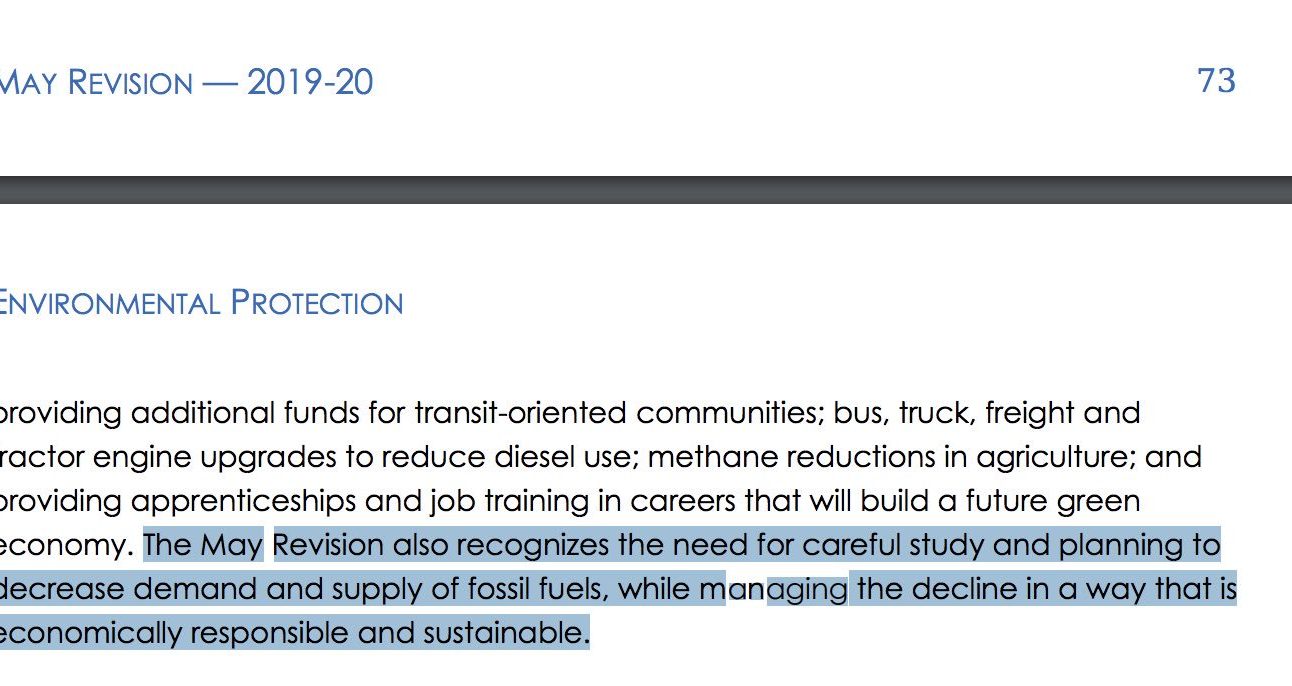
Hidden in a detailed California budget document released last week was a critical sentence that, if pursued, could mark a major shift in California climate policy.
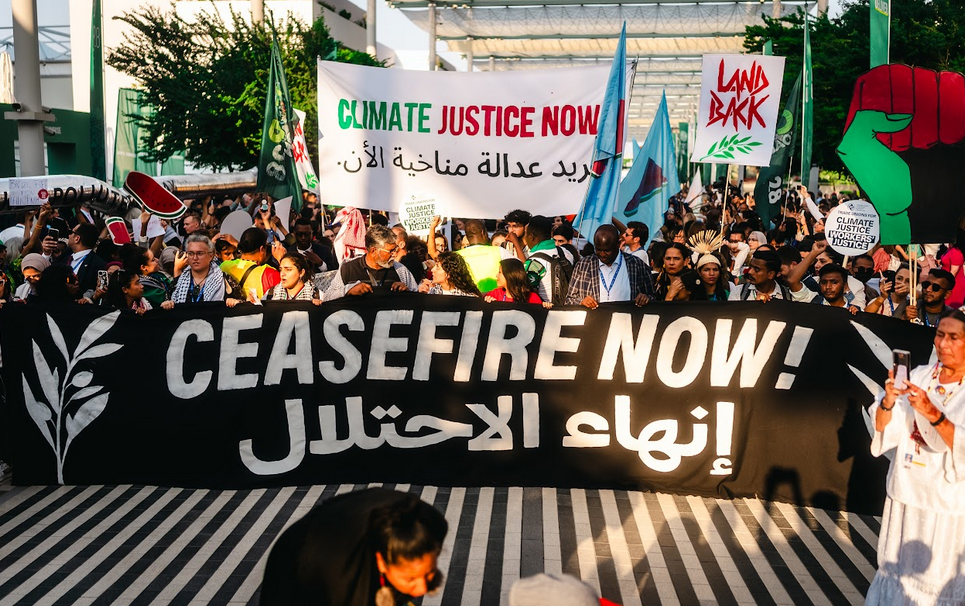
Israel's brutal, bloody war on Gaza shows no sign of relenting, with nearly all the Gazan population displaced and Israel warning the war could go on for another year.

The new briefing, titled ”Investing in Disaster”, exposes the countries and companies that have approved the most new oil and gas extraction in 2022, and that could be responsible for major expansion through 2025.
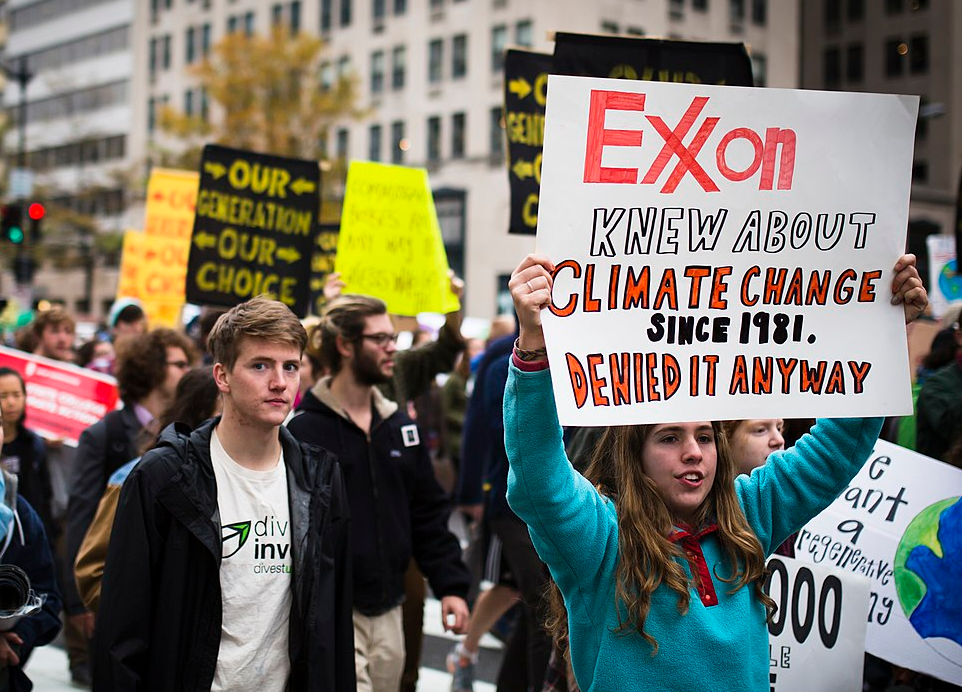
ExxonMobil is a company that for decades has done more than any other to spread climate denial. But now the climate laggard wants you to believe it is becoming a climate champion.
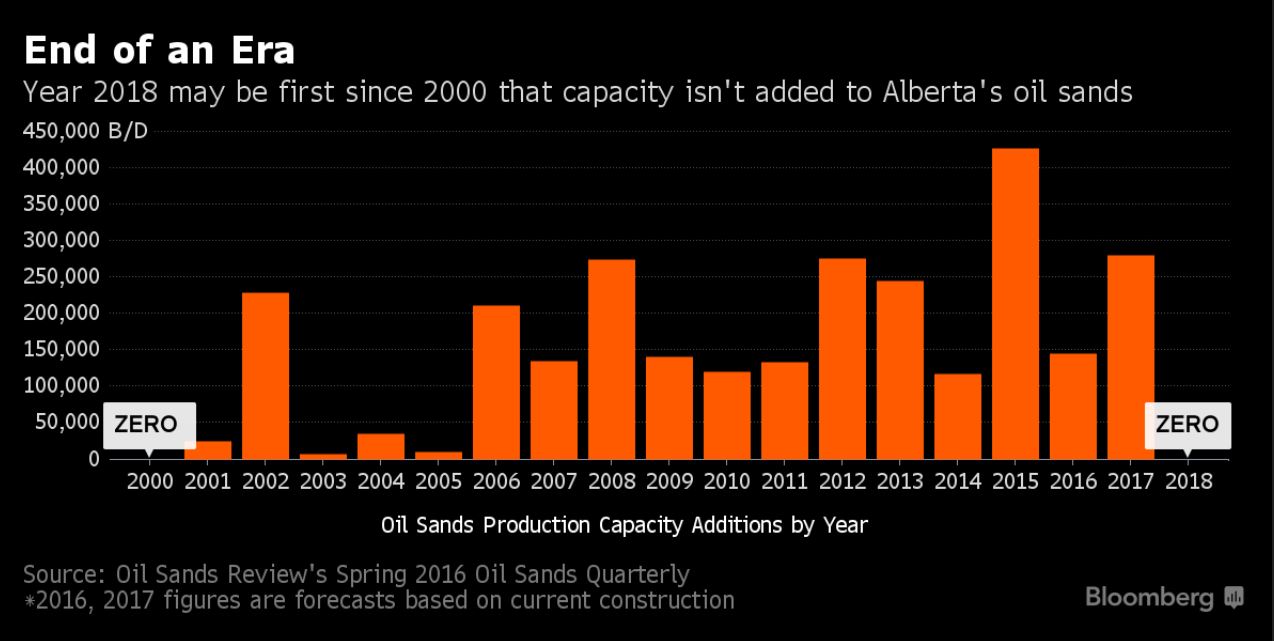
In a dramatic turn of events, it looks like all bust and no more boom for the Alberta tar sands, according to our recent analysis based on industry data. In reality, future rates of production will likely be insufficient to...
Eni and Equinor are on track to rank as the world’s third and eighth worst upstream oil and gas expanders, respectively, in 2023.
Remember when we used to talk about how the war in Iraq was about oil? Remember the banners that read "No blood for oil?" Oil has fallen out of the discussion lately, but it's time to bring it back in...

The history of Big Oil’s climate denial campaign is littered with slightly progressive sounding front groups which have tried to give the impression that the industry cares about climate change.