
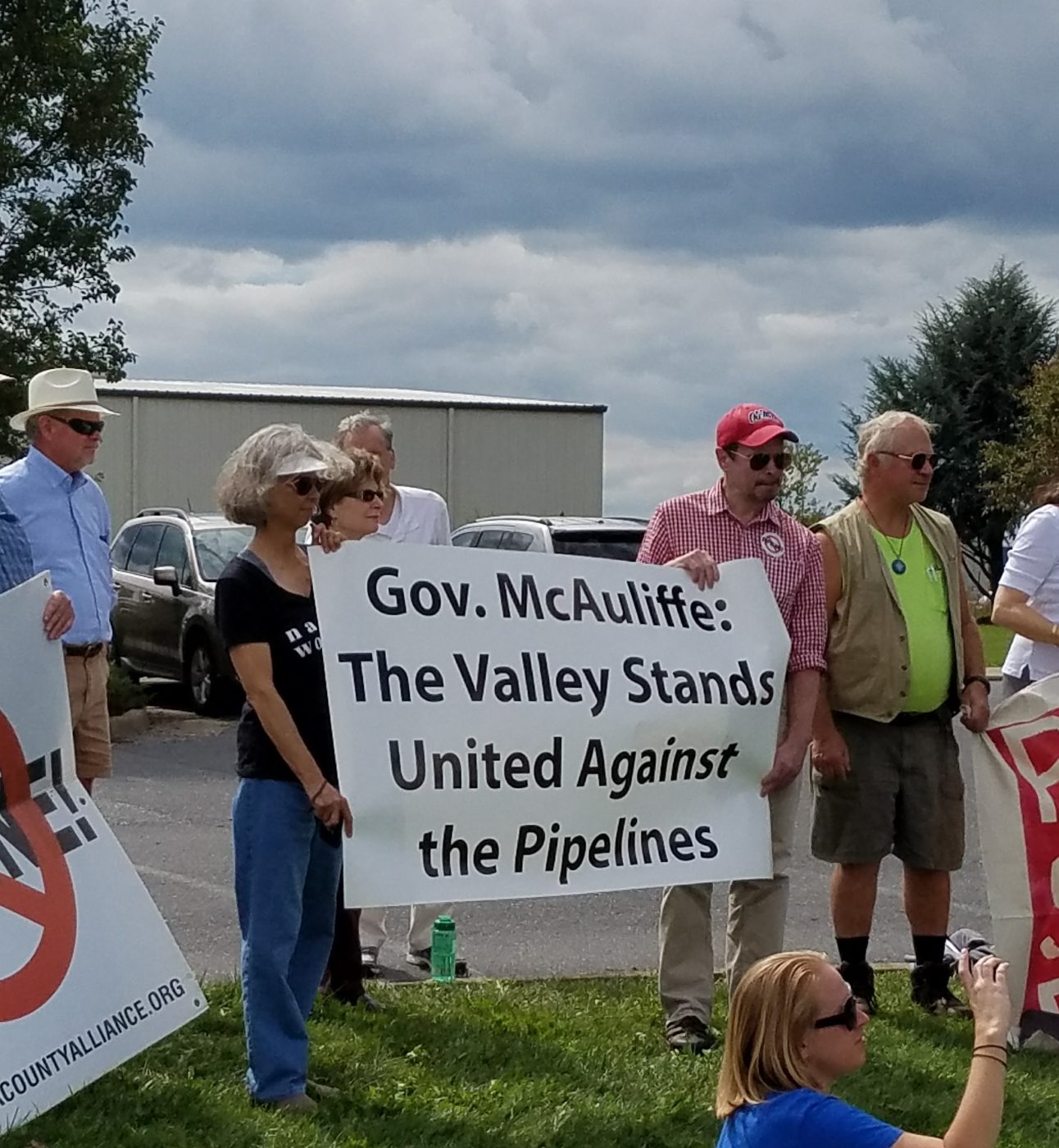
Oil Change International responds to FERC gas pipeline approvals
FERC has ignored all the evidence and certified these destructive gas pipeline projects as ‘convenient and necessary’ – when in fact they are neither.
FERC has ignored all the evidence and certified these destructive gas pipeline projects as ‘convenient and necessary’ – when in fact they are neither.
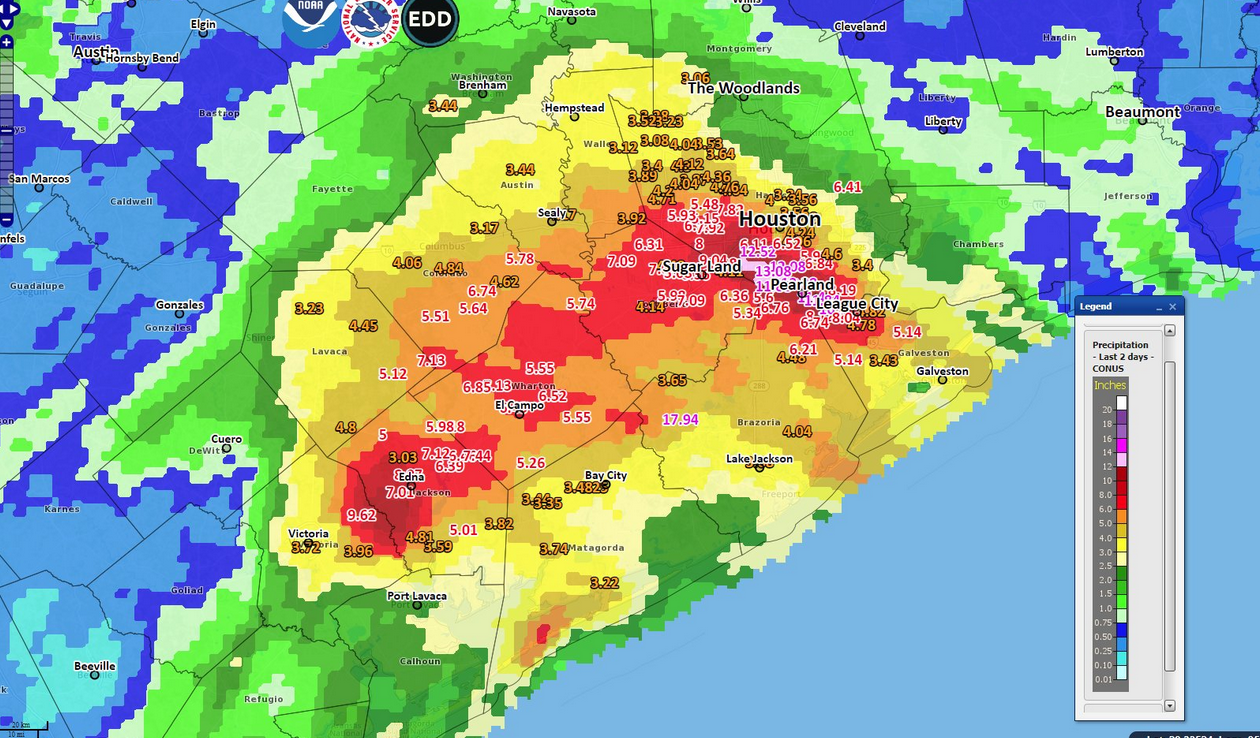
Despite our climate emergency and the massive demand reduction caused by COVID-19, American oil executives say it would be "folly" for them to switch to renewables.

Yesterday a coalition of some 50 environmental, indigenous and human rights groups sent an unprecedented letter to Californian policymakers and US-based corporations involved in the processing, use or financing of Amazon crude to “stem the influx of crude oil into...
In his first outing as Secretary of State, former ExxonMobil CEO Rex Tillerson may have been quiet, but the world’s climate leaders were not. Ahead of the G20 meeting of foreign ministers, hosted by Germany in Bonn, German government officials...

In the long and tortuous legal battle between indigenous communities in Ecuador against the oil giant Chevron, the plaintiffs scored a major victory yesterday in, of all places, Canada.
In a decision that will both dismay and worry environmental campaigners and communities facing fracking across Europe, the European commission has concluded that existing laws are adequate to cover the controversial drilling technique. A new report undertaken for the Commission...
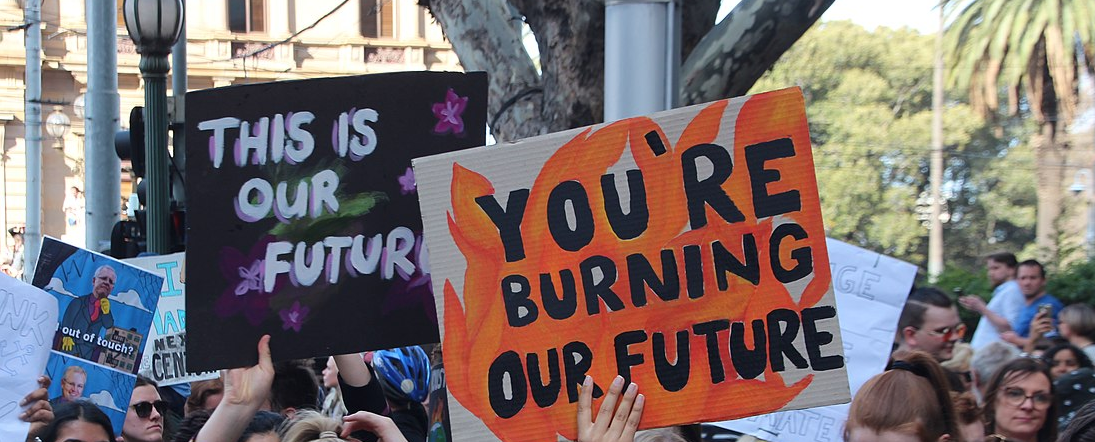
In light of the war in Ukraine, shareholder actions on climate against Big Oil are faltering. One activist investors says: “The oil industry is really using the energy crisis as an excuse now to stall climate action.”

Increased recognition from governments, institutions, and even parts of the financial sector of the role of fossil fuels in climate change represents a sea change from where we were even just a few years ago. The importance of phasing out...
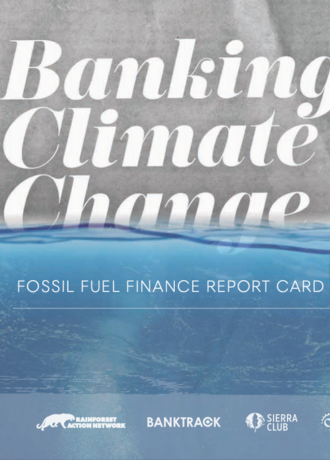
This 10th annual "Banking on Climate Change" fossil fuel finance report card reveals that overall bank financing continues to be aligned with climate disaster, and that financing for fossil fuels has increased every year since the Paris Agreement was signed.

This increases the number of signatories to 29 and the annual average of potential public finance shifted out of fossil fuels and into clean energy to at least USD 21.7 billion per year.