
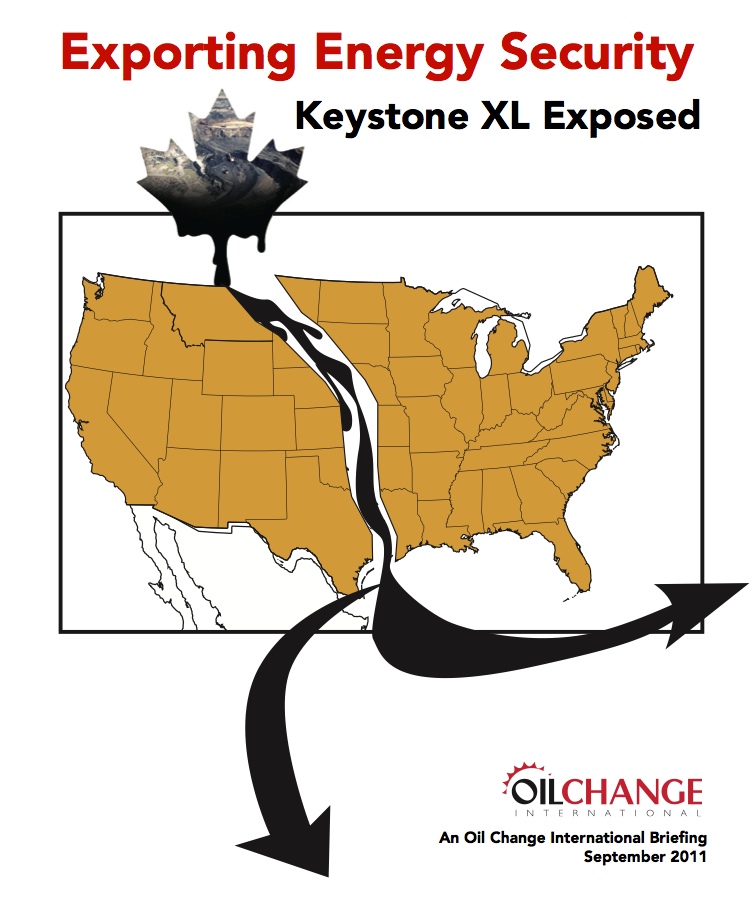
Keystone refineries on export overdrive
In the last quarter of 2011, the majority (51%) of the two prime transport fuels produced in Port Arthur and Houston area refineries went to export markets, including 73% of gasoline and 40% of diesel.
In the last quarter of 2011, the majority (51%) of the two prime transport fuels produced in Port Arthur and Houston area refineries went to export markets, including 73% of gasoline and 40% of diesel.

Today is the final day for public comment to the US Department of State over the draft Environmental Impact Statement for the highly controversial Keystone XL. Seen as a litmus test for the Obama administration’s policies on climate change, Keystone...
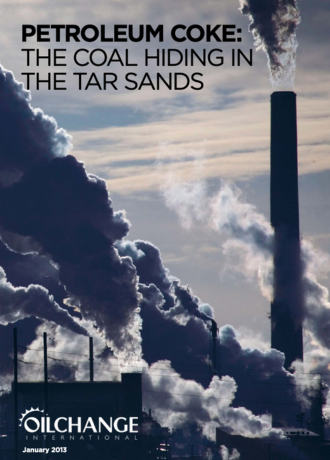
Existing analyses of the impacts of tar sands fail to account for a byproduct of the process that is a major source of climate change causing carbon emissions: petroleum coke - known as petcoke. Petcoke is the coal hiding in...
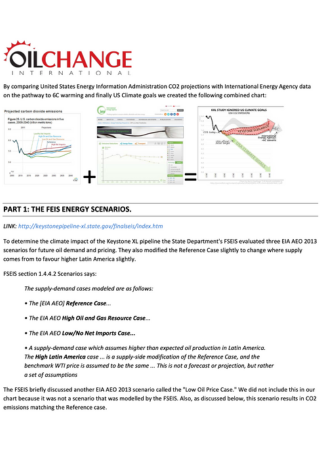
In 2009, President Obama made a commitment to reduce U.S. greenhouse gases by 17 percent by 2020. The Obama administration put this forward as the U.S. share of a global effort to limit climate change to no more than two...
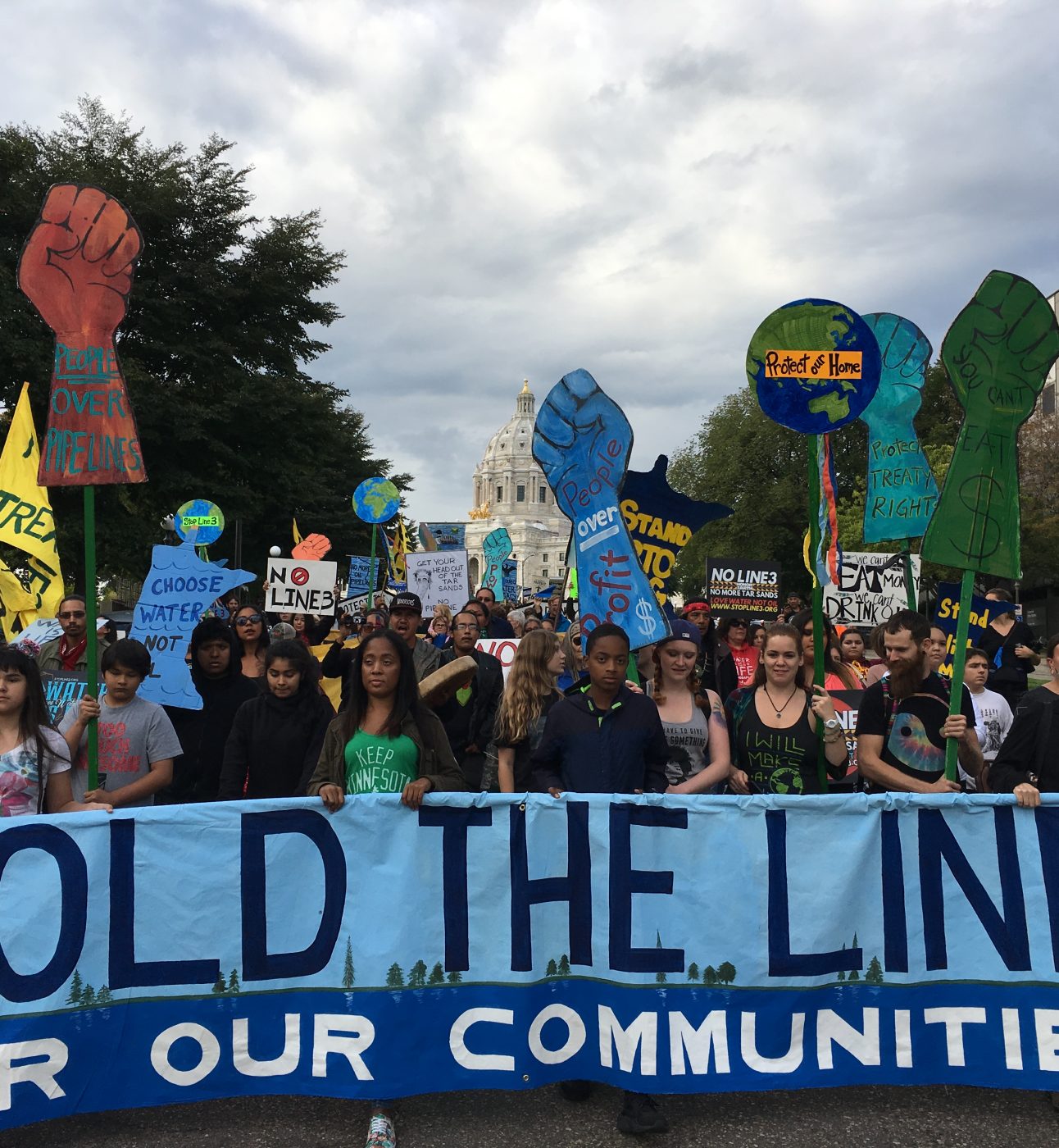
When it comes to pipeline regulatory decisions, we’re seeing a significant new trend: “Poison approvals” The thing about inertia is that it’s pretty hard to resist, especially when it’s been in place for decades. When it comes to oil and...

With public hearings beginning today in Lincoln, Nebraska, we look at why the Nebraska PSC should be considering whether the pipeline is really needed.
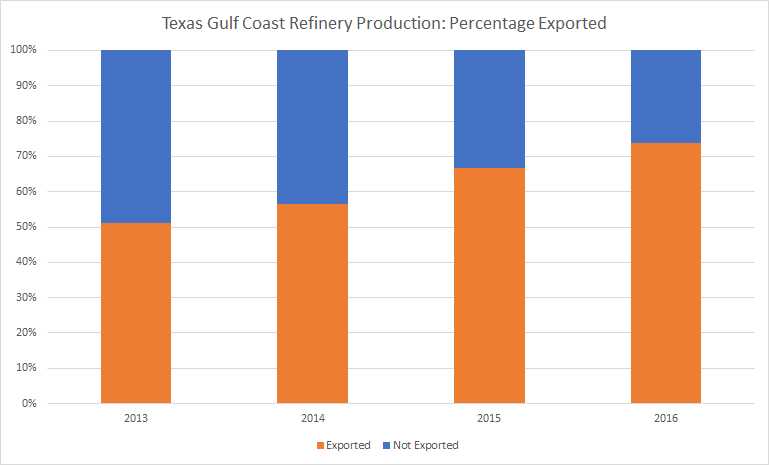
With refinery exports booming, the Gulf Coast awash in oil and oil companies ditching the tar sands, the energy security case for Keystone XL is more spurious than ever.
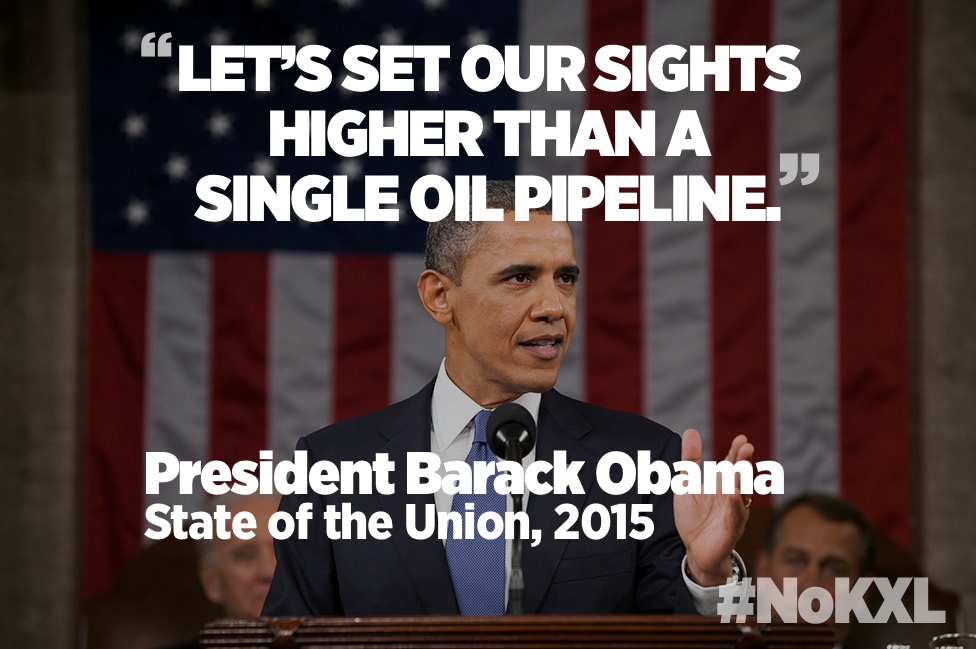
Aside from providing some entertainment, twitter fodder, and political theater...coming on the eve of the 5th anniversary of the dubious Citizens United Supreme Court decision, last night’s State of the Union speech showed us a few important things when it...
A new scientific study argues that the State Department has seriously underestimated the climate emissions from Keystone XL. The study concludes that the pipeline could produce four times more greenhouse gases than the State Department calculated.
KXL’s supporters have been quick to promote the oil train tragedy in Quebec arguing that the disaster proves that transporting oil by pipeline is safer.