

A Climate of War
On the fifth anniversary of the Iraq war, this report by Oil Change International quantifies both the greenhouse gas emissions of the Iraq War and the opportunity costs involved in fighting war rather than climate change.
On the fifth anniversary of the Iraq war, this report by Oil Change International quantifies both the greenhouse gas emissions of the Iraq War and the opportunity costs involved in fighting war rather than climate change.
This study finds that none of the World Bank Group’s fossil fuel finance directly targets the poor or ensures that energy benefits are reaching the poor.
Market distorting subsidies to fossil fuels contribute to greenhouse gas (GHG) emissions and impede the transition to sustainable, low-carbon development. In 2009, G-20 countries committed to phase out “inefficient” fossil fuel subsidies in an effort to specifically address climate change and boost...
This briefing explains why financial flows to fossil fuels matter and how to use the data provided by the Public Finance for Energy Database to help secure a just energy transition.
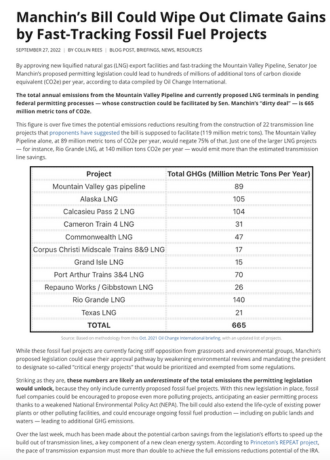
Approving new gas pipelines and liquified natural gas export facilities would lead to hundreds of millions of tons of carbon dioxide equivalent per year for decades to come.
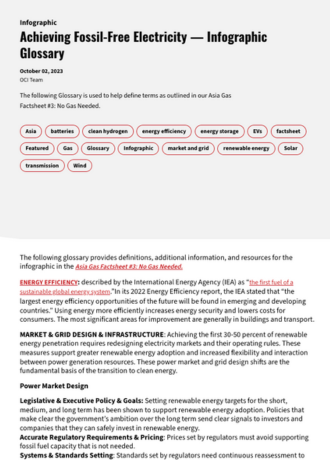
The following Glossary is used to help define terms as outlined in our Asia Gas Factsheet #3: No Gas Needed.
Our new analysis finds that the controversial PennEast Pipeline for fracked gas could contribute as much greenhouse gas pollution as 14 coal-fired power plants or 10 million passenger vehicles.
A new report exposes the huge financial risks behind three major Canadian tar sands pipeline project proposals: Kinder Morgan’s Trans Mountain Expansion, TransCanada’s Keystone XL and Enbridge’s Line 3 expansion.
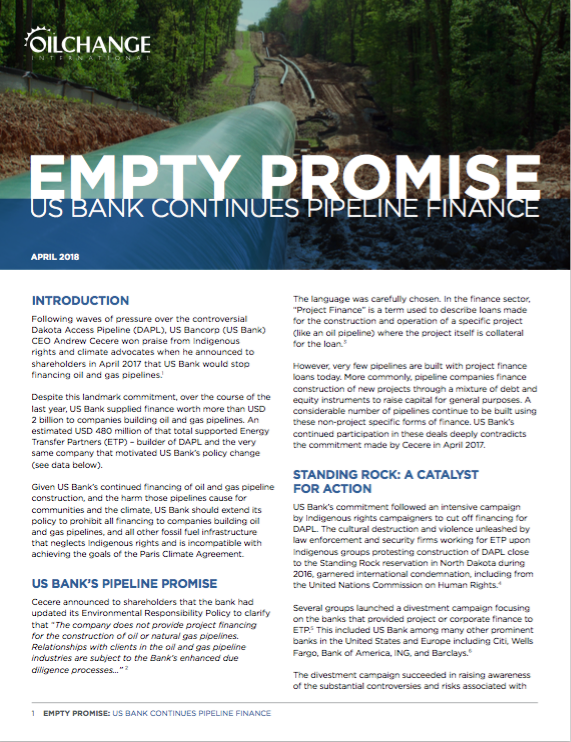
FOR IMMEDIATE RELEASE April 12, 2018 US Bank Raises $2 Billion in Oil and Gas Pipeline Finance Since Pledge to Stop Pipeline Financing Since revising its environmental policy last year, US Bank financed more than $2 billion to companies building...
A new report released today reveals the disconnect between Canada’s promises on climate change and the actions of its official export credit agency, Export Development Canada (EDC), in propping up the oil and gas industry through government-backed (public) finance.