
BP Out of Touch on Climate and Clean Energy Technology
How BP's Outlook for Energy looks to the past not the future
How BP's Outlook for Energy looks to the past not the future

IHS published today a predictable and hollow attempt to rebut much of our work on Keystone XL’s links to markets beyond North America and the ability of rail to replace the pipeline.
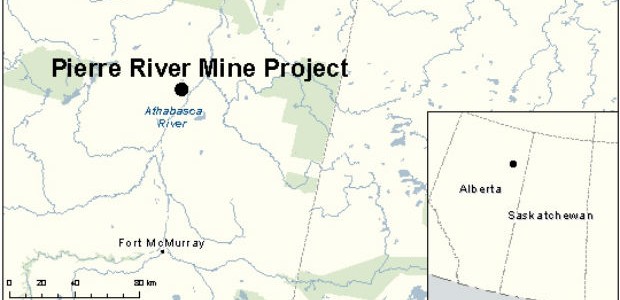
In a sign that the oil price plunge is really beginning to bite, yesterday oil giant Royal Dutch Shell announced that the company is indefinitely postponing plans to develop a new tar sands mine in northern Alberta.
Yesterday, in a moment described as void of “drama or fanfare,” he vetoed legislation which would have forced approval of the controversial Keystone XL pipeline, which would carry dirty tar sands oil Alberta to the Gulf Coast.

The wave of anti-fracking protests sweeping the globe have now spread as far as North Africa.
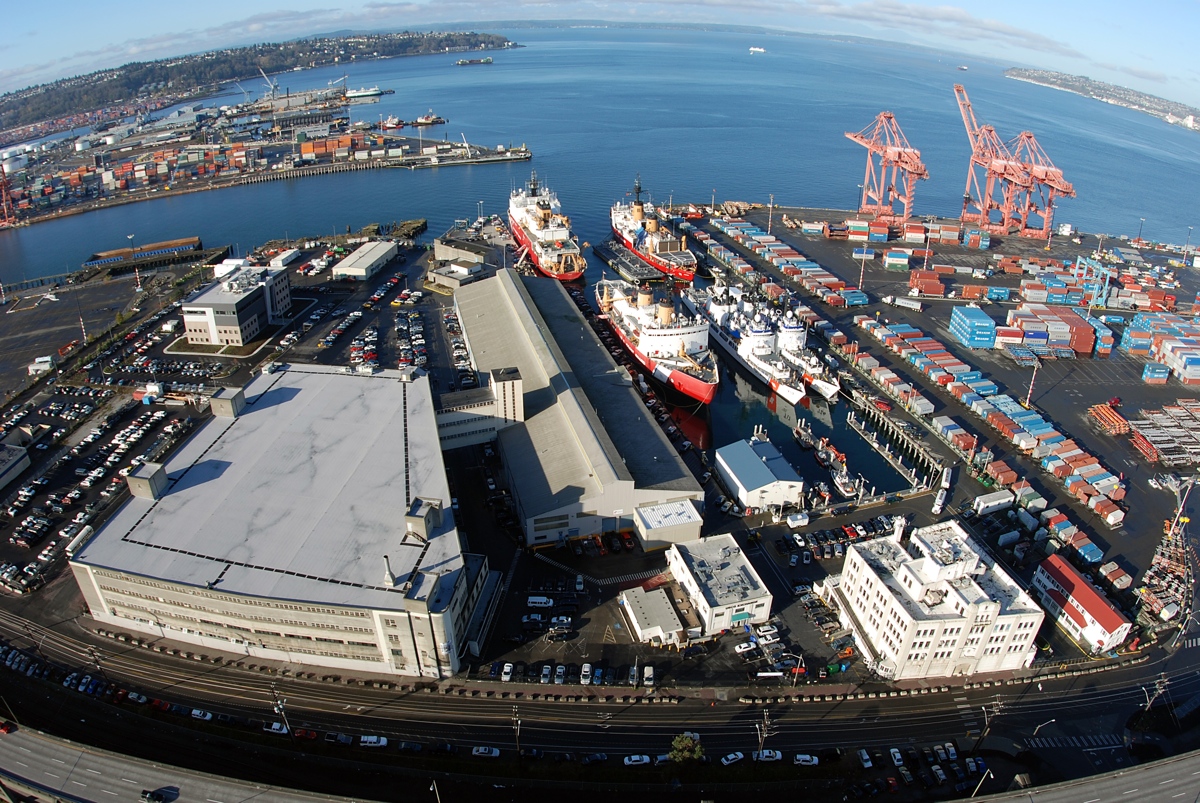
Royal Dutch Shell has insisted that it is going to press ahead this year with its plans to continue its high cost, high risk hunt for oil in the U.S. Arctic Ocean this year (aka the world’s most obvious unburnable...
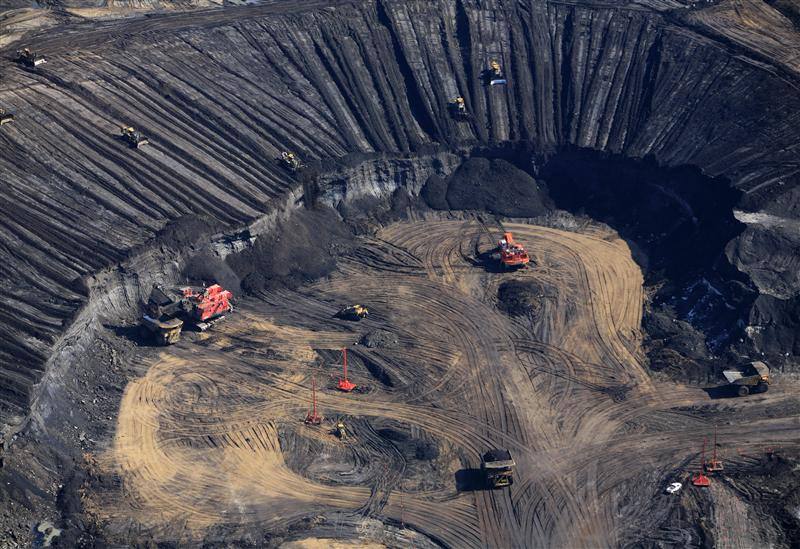
A proposal to label the dirty tar sands as more polluting than conventional oil has been spectacularly abandoned by the European Commission after a four year lobbying campaign by the Canadians.
The growing political fight over relaxing America’s decades-old crude export ban intensified at the end of last week, when 14 oil and gas firms set up a lobbying group specifically to push to relax the ban.
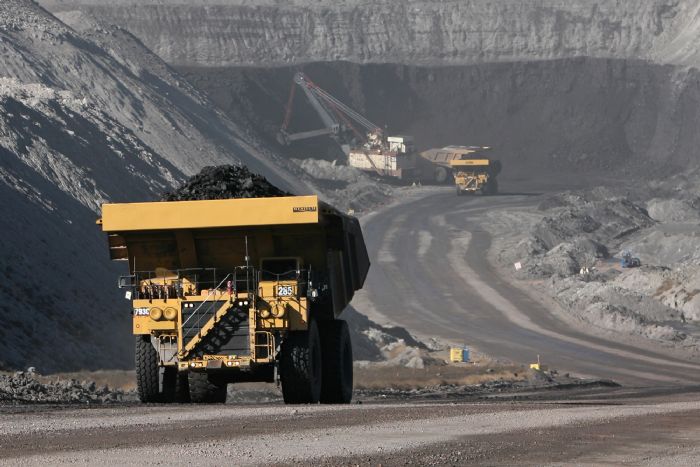
New BankTrack report highlights that commercial banks are ignoring climate limits, financing a record US$88 billion for coal operations in 2013.
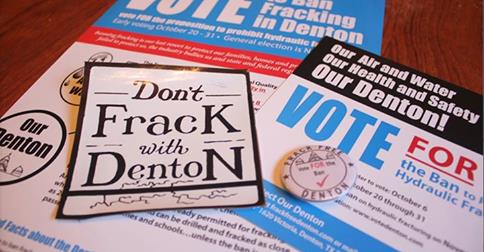
Where we played our game -- a game of communities rising up, of organizing, of using facts to guide us, of running straight at our progressive values and being unashamed of them -- we won. And those wins were beautiful.