As I write, Shell’s AGM is underway in the Dutch city of the Hague, where the company is facing intense criticism about its strategy to address climate change, its highly risky Arctic drilling and its carbon-intensive tar sands operations.
Twenty years ago, the oil giant Shell was plunged into a corporate crisis after it was internationally criticised for trying to dump the redundant Brent Spar oil platform in the North Sea and for being complicit in the murder of the acclaimed Nigerian activist, Ken Saro-Wiwa.
As the dust settles on the British General Election, many commentators are still trying to analyse what the results means for policies on energy, fracking and climate. All the signs is that it is great news for frackers and bad news for the renewables industry, especially onshore wind companies.
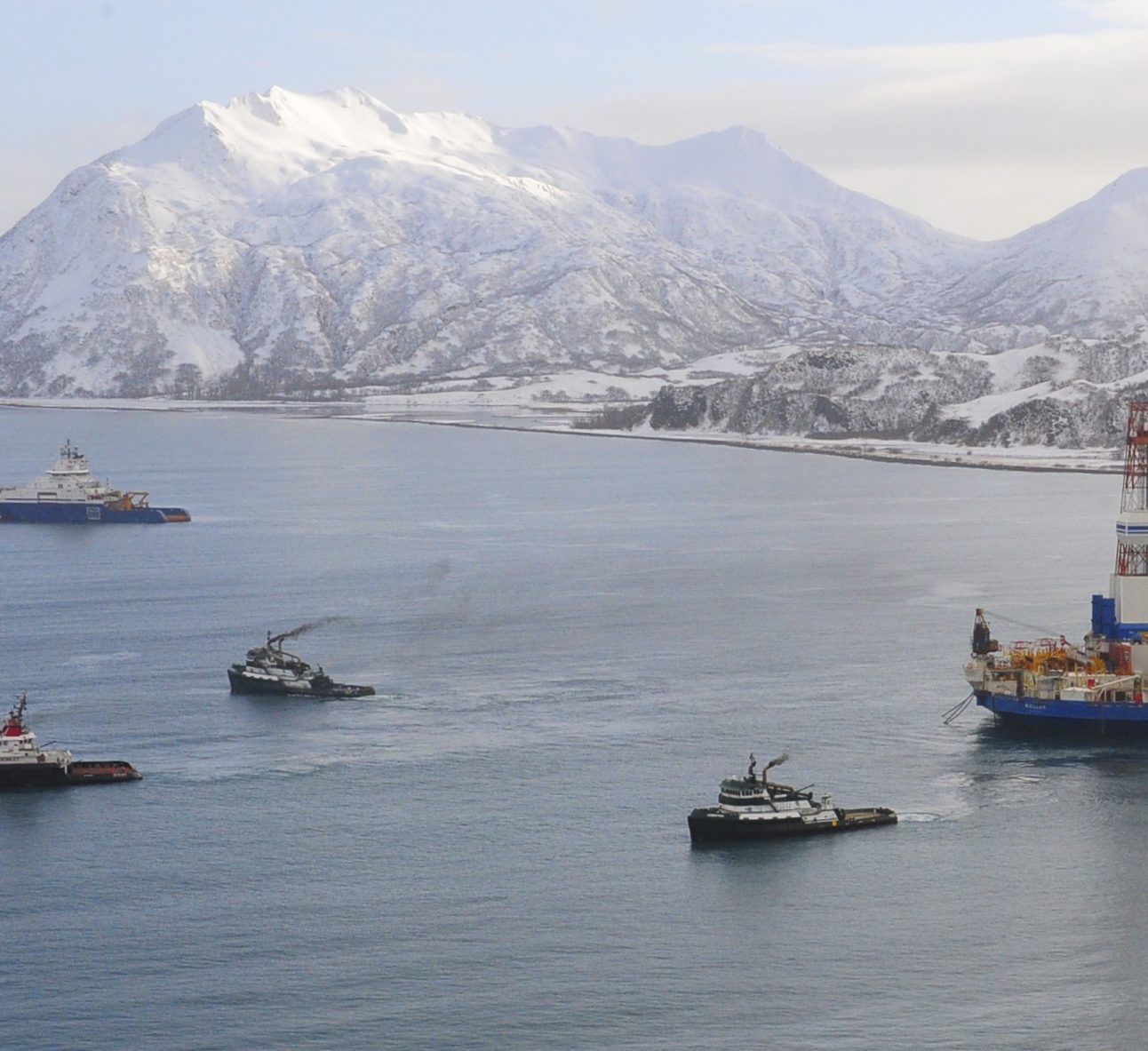
The Obama Administration seriously undermined its chances of a positive environmental legacy yesterday by giving approval to Shell’s highly controversial Arctic drilling program.
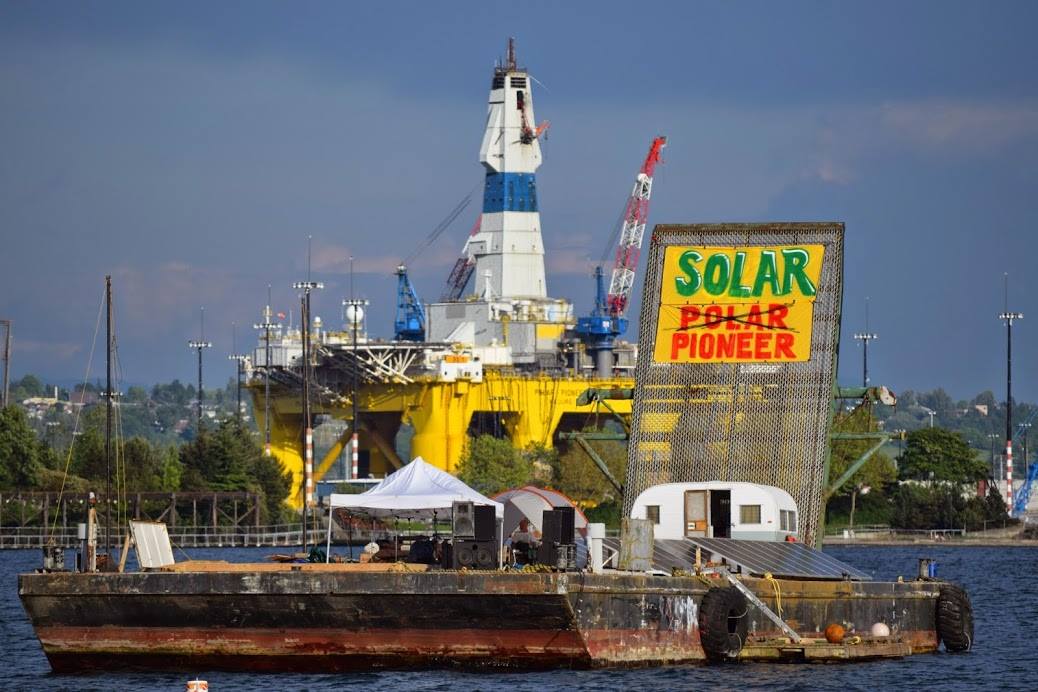
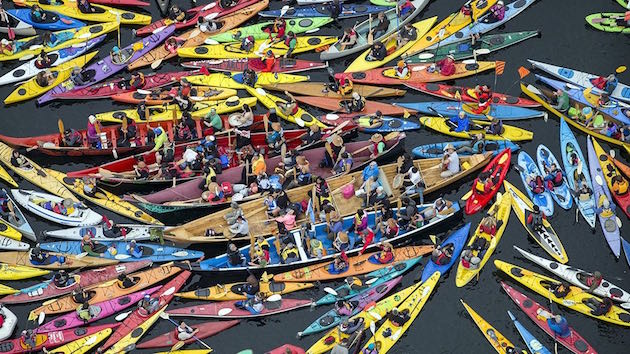
The groundswell of local opposition against Shell’s plans to drill in the Arctic continues to grow and will culminate this weekend in three days of protests and direct action.