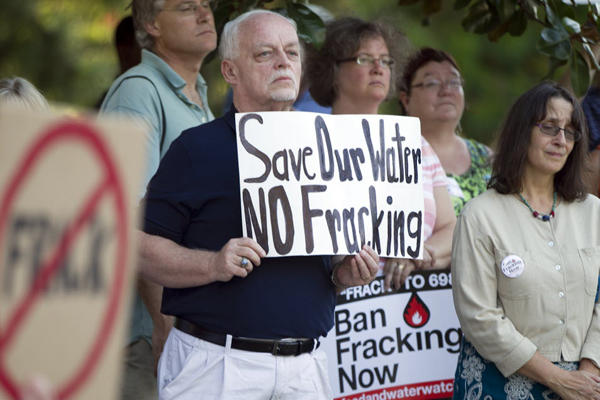
The largest ever scientific study examining the overall health of people living near fracking wells in the US is being published today and once again it sends alarm bells ringing.
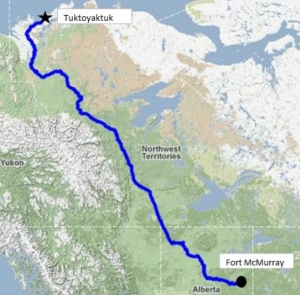
We can’t go South, we can’t go West, we can’t go East, so, hey, lets’ go North”. That is the latest thinking of the Canadians in their increasingly desperate attempts to export the dirty, carbon intensive tar sands from Alberta.
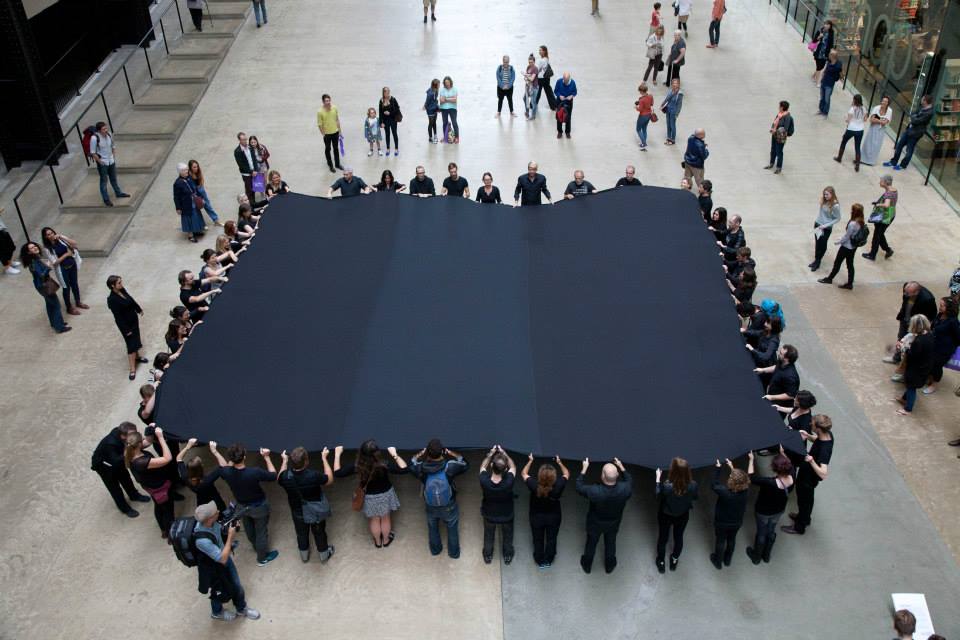
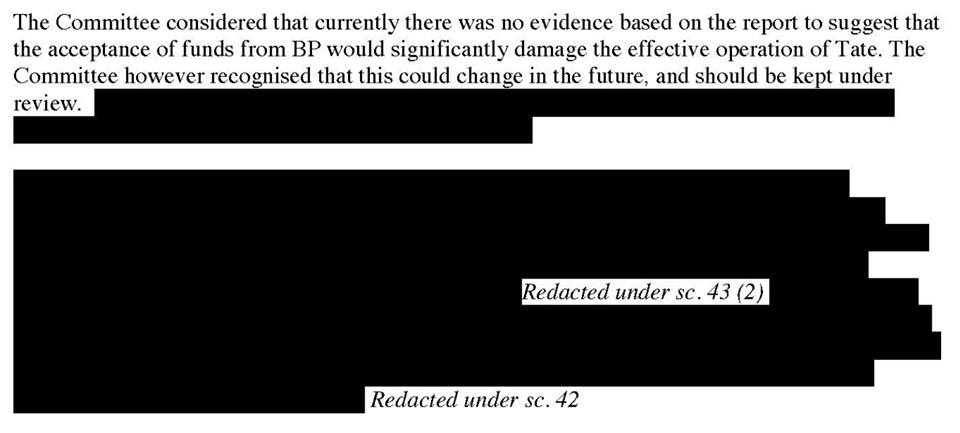
Yesterday over a hundred members and supporters of the UK-based art collective Liberate Tate carried out their latest art protest against the oil giant BP in the Tate Modern’s iconic Turbine Hall in London.
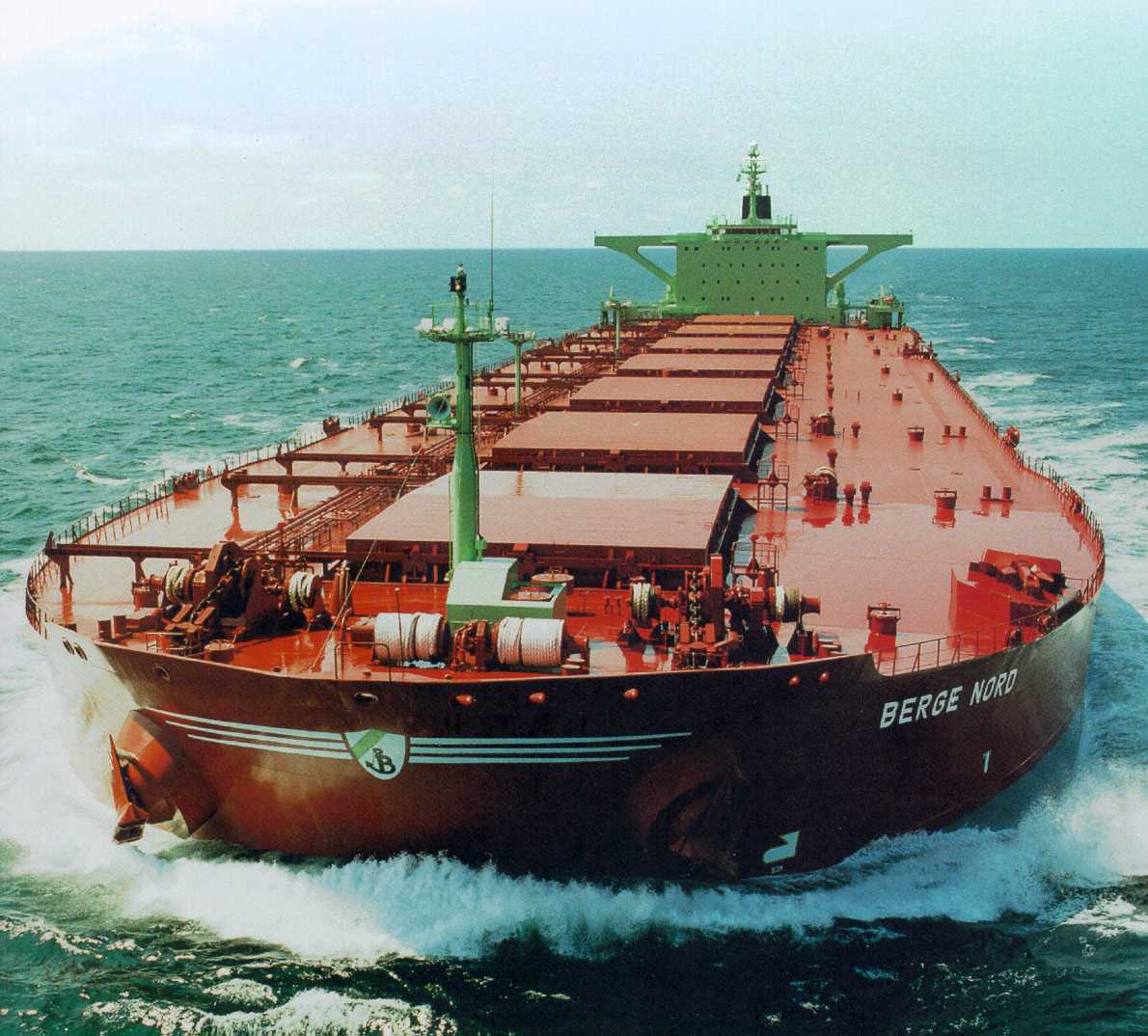
For years the oil industry has been lobbying the Obama Administration to lift the US export ban of crude oil, which has been in place since the Arab oil embargo of the 1970s. The calls have become greater as the fracking boom has led to a significant increase in domestic production.
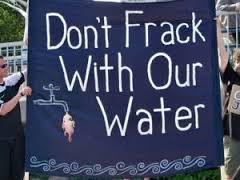
n the blinkered rush to frack the globe - first in the United States, secondly in Europe and thirdly in the rest of the world - the oil industry always undermines the risks of the technology. But this brutal technique has a dangerous downside, ranging from air and water pollution, to the use of vast amounts of sands and chemicals. And then there is, of course, the huge volumes of water used in the fracking process.
As Europe gives Russia a week’s grace to reverse its military actions in Ukraine or face a new round of sanctions, the oil industry just carries on investing with Russia regardless.