
Skip to content
Oil Change International | Data Driven, People Powered.
  • About
    • Our Work
    • Values
    • Team
    • Jobs at OCI
    • Ways to Give
  • Program Areas
    • Africa
    • Asia
    • North Sea
    • United States
    • Global Industry
    • Global Public Finance
    • Global Policy
  • Latest
    • Blog
    • Podcast
    • Press Releases
    • Shell Shocked Land
  • Press Releases
  • Publications
Donate
  • Get Updates
    • Bluesky (opens in a new window)
    • Twitter (opens in a new window)
    • Instagram (opens in a new window)
    • LinkedIn (opens in a new window)
    • Facebook (opens in a new window)
Donate
  • About
    • Our Work
    • Values
    • Team
    • Jobs at OCI
    • Ways to Give
  • Program Areas
    • Africa
    • Asia
    • North Sea
    • United States
    • Global Industry
    • Global Public Finance
    • Global Policy
  • Latest
    • Blog
    • Podcast
    • Press Releases
    • Shell Shocked Land
  • Press Releases
  • Publications
    • Get Updates
    • Share on Bluesky Bluesky
    • Share on Twitter Twitter
    • Share on Instagram Instagram
    • Share on LinkedIn LinkedIn
    • Share on Facebook Facebook
Go to OCI Homepage
Published: June 27, 2007

BP to Build £200m Biofuels Plant
  • Latest from OCI
  • Blogs listing
  • BP to Build £200m Biofuels Plant
    • Biofuels BP LNG oil demand oil production

BP has joined forces with food giant, Associated British Foods, to build a £200m biofuels plant to meet the growing demand, but the move has triggered fears about its inteinsive farming and its effect on wildlife.
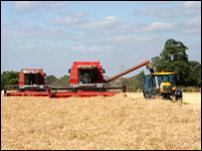
The plant in the North East of England will need hundreds of thousands of acres of land set aside for wheat production to make ethanol. Iain Conn, the chief executive of the BP’s refining and marketing arm, said the biodiesel market was quite separate from food, and “the impact on food prices is likely to be negligible”.
George Weston, chief executive of ABF, said the move would soak up some of the two to three million tonnes of surplus wheat produced in the UK and bring some agricultural land back into use. “It will get farmers back to growing crops instead of using set-aside and (EU) grants.”
The Saltend facility, on an existing oil refinery site, will make 420m litres of ethanol a year when it begins production in 2009.
Not everyone is convinced. Roger Higman, campaign coordinator for Friends of the Earth, said that whilst he supports so-called “green fuels”, you “have to be careful because you could destroy the British countryside and the habitat for wildlife with the intensive growing of wheat.”
But there is growing evidence that biofuels are not green at all.


Oil Change International | Data Driven, People Powered.
Donate Get Updates
Back to the top
  • Keep in touch
  • Oil Change International
    714 G St. SE, #202
    Washington, DC 20003
    United States

    +1.202.518.9029

    [email protected]

    • Bluesky (opens in a new window)
    • Twitter (opens in a new window)
    • Instagram (opens in a new window)
    • LinkedIn (opens in a new window)
    • Facebook (opens in a new window)
  • Quick links
  • About OCI
  • Our Values
  • Jobs at OCI
  • Ways to Give
  • Media Centre
  • Publications
  • Press
  • Associated websites
  • Big Oil Reality Check
  • Energy Finance Database
  • Permian Climate Bomb
  • Site map
  • Privacy policy
  • Accessibility statement

Copyright © 2026 Oil Change International. Web design by Fat Beehive