
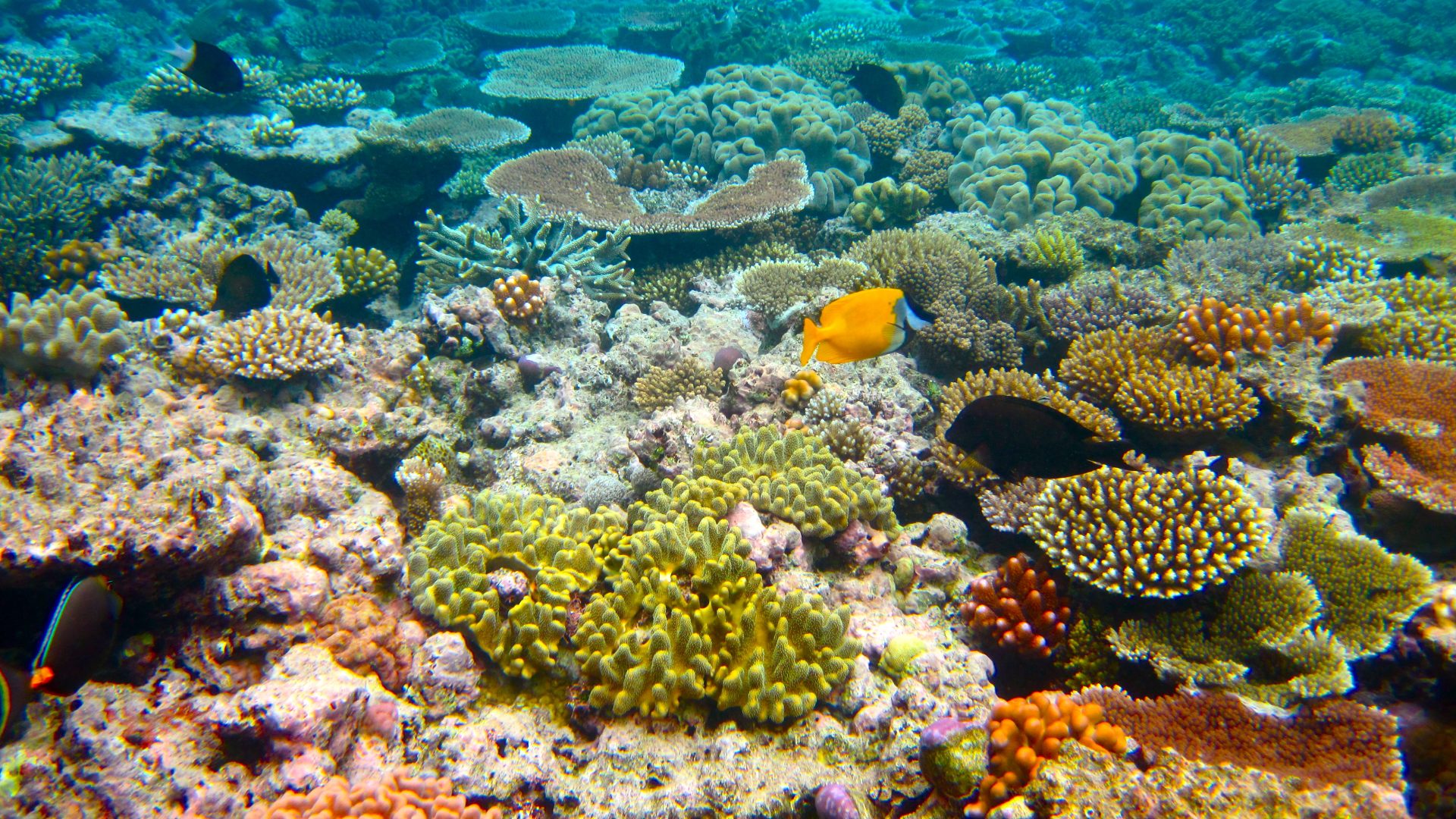
Great Barrier Reef “Is Dying Under Our Watch”
“Do we really care so little about the Earth on which we live that we don’t wish to protect one of its greatest wonders from the consequences of our behaviour?”
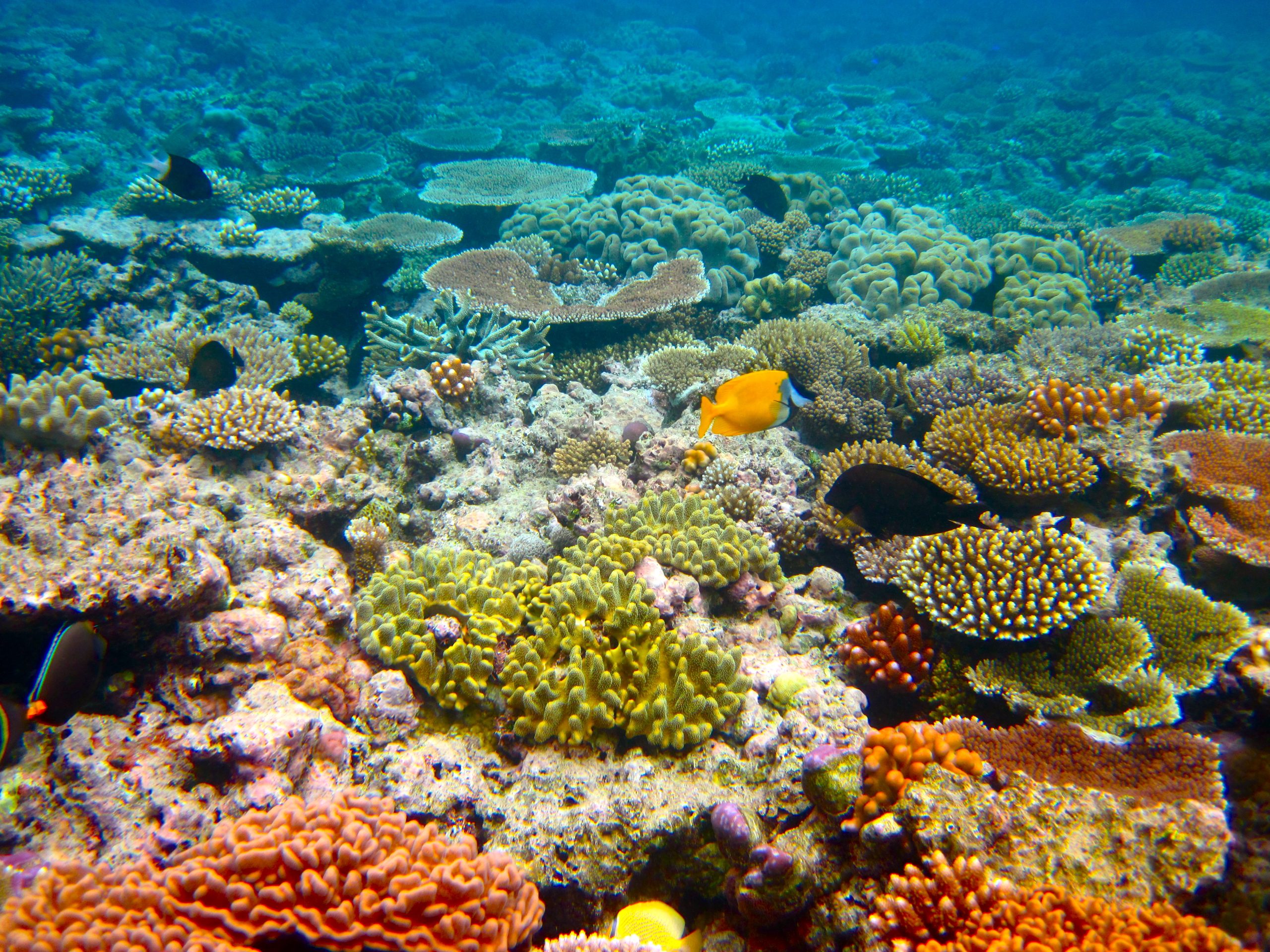
C: Kyle Taylor
“Do we really care so little about the Earth on which we live that we don’t wish to protect one of its greatest wonders from the consequences of our behaviour?”
That is the question posed at the end of Sir David Attenborough’s three-part documentary on Australia’s Great Barrier Reef, which has just been screened in Australia.
It is a question that is becoming more pertinent by the day, if not the hour, as record temperatures fuelled by climate change and a particularly strong El Nino, wreak havoc on a global treasure.
The reef is the largest living thing on the planet and it could be dead within a generation.
What is happening on the reef right now raises some deeply awkward questions. It is sixty years since Attenborough first swam on the reef. As one commentator puts it: “Nobody imagined in those days that the reef could be degraded, even disappear, in one man’s lifetime.”
Nobody probably imagined it now, either. “The greatest concern now is that we might lose the reef altogether,” Attenborough says. “That would be a global catastrophe.”
And the news from the reef gets worse by the day. The vast coral bleaching event which is affecting the reef has now affected over half the reef – hundreds of kilometres have been affected.
It is now widely seen by scientists to be the worse bleaching event to hit the reef in its 8,000 year history.
Dr Paul Marshall, the former head of the climate change program at the Barrier Reef Marine Park Authority, who is now an Adjunct Professor at The University of Queensland: “There are corals that were here when Captain Cook sailed by, and they’re dying under our watch and they’re not coming back in anyone’s lifetime.”
Another scientist with the same name, Justin Marshall, the director of Coral Watch at Australia’s University of Queensland, added: “This is a huge, looming planetary crisis, and we are sticking our heads in the sand about it.”
Although bleaching does not automatically mean death for the reef, a large part of the reef is now not only bleached but also dead. Last month, the Reef’s Marine Park Authority reported in the north of the reef that there was “up to 50 per cent coral mortality because of prolonged higher than average sea surface temperatures.”
“The mass bleaching is a result of climate change and a strong El Nino exacerbating high sea surface temperatures that usually occur at this time of year,” says Dr Russell Reichelt, chairman of the Authority. “This temperature trifecta has created heat stress and pushed corals beyond their ability to cope.”
And the Great Barrier Reef is not alone.
Reefs in Asia, the Hawaiian Islands and Fiji are also suffering too. Over a third of the Earth’s reefs are now under threat.
As David Attenborough asks: Do we care that such an iconic marine ecosystem dies because of our behaviour?
It seems that we don’t.