
The Iran Crisis Is Exposing Japan’s Flawed Energy Strategy. Southeast Asia is Paying the Price.
The Iran crisis is now exposing that vulnerability in real time, as LNG prices across Asia have nearly doubled within weeks. But this isn’t just Japan’s problem. Through years of state-backed financing, Japan has exported the same risky energy model across Southeast Asia.
Japan has spent decades ignoring a fundamental energy reality: an economy built on imported fossil fuels is inherently fragile. The Iran crisis is now exposing that vulnerability in real time, as LNG prices across Asia have nearly doubled within weeks. But this isn’t just Japan’s problem. Through years of state-backed financing, Japan has exported the same risky energy model across Southeast Asia—binding the region to the very price shocks and supply disruptions now radiating from the Strait of Hormuz.
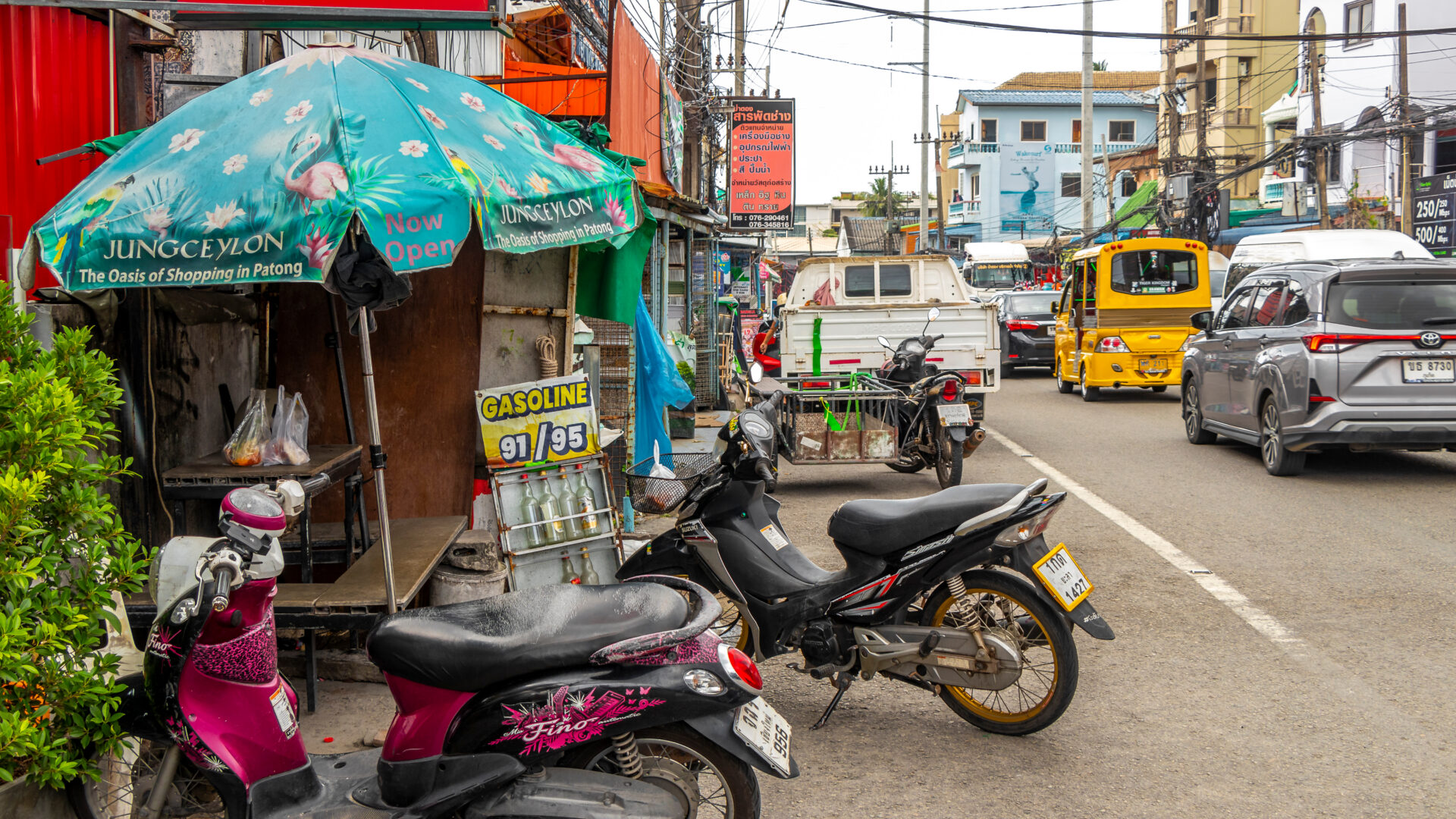
The human cost is already visible. In Iran, people are dying as the crisis escalates, while in Bangladesh, rising LNG prices have shuttered universities and forced industries onto reduced workweeks. In the Philippines, fuel costs are pushing transport workers toward strikes. Across Indonesia, ferry services are being cut back, isolating island communities. Thailand tourist arrivals fell, with hotels in major tourist areas reporting occupancy as low as 10%. Vietnam officials have urged people to work from home and limit travel to essential purposes.
Since the 1973 Arab oil embargo – when OPEC’s export cutoff sent prices quadrupling and triggered Japan’s postwar economic contraction – Japan has known that centering an economy on imported fossil fuels is a structural vulnerability. While part of its response was to double down on nuclear investment, it also further entrenched fossil fuels through an LNG diversification underway since the late 1960s. Fifty years on, Japan still imports a staggering 88% of its primary energy. Now, the Iran crisis has sent Asian LNG benchmark prices from around $10 per MMBtu to nearly $20 – roughly doubling within weeks.
What makes the current moment more dangerous is not just that Japan is trapped. It is that Japan has been systematically building the same trap across Southeast Asia using public finance and diplomatic muscle.
The Japan Bank for International Cooperation (JBIC), a public financial institution owned by the Japanese government, has committed an estimated $41 billion to fossil fuel projects across Asia since 2013 – nearly five times its clean energy investment over the same period. For example, in Indonesia, JBIC’s backing of the Jawa 1 gas-fired power plant has drawn complaints from local groups over environmental violations. In the Philippines, JBIC is financing a 1,313 MW gas plant in a biodiversity hotspot – in a country where analysts warned of up to $13.6 billion in stranded asset risk from LNG-to-power investments, as rapidly falling renewable costs make new gas increasingly uncompetitive. These JBIC projects lock Southeast Asia into fossil fuel dependency and supply chains that expose the region to exactly the price shocks now rippling from the Strait of Hormuz.
The consequences are visible across Asia. The fossil fuel financing model that Japan has driven across Asia has outcomes that trickle down to real-life impacts in the region. Japan is now dealing with the undeniable signs that its energy strategy is becoming increasingly unviable. With LNG spot prices projected to keep climbing, utility-scale solar and wind have already undercut new gas on cost in Southeast Asia. LNG terminals being financed today face a realistic prospect of becoming stranded assets, long before the loans that built them are repaid. Vietnam offers a strong case for this: Japanese-backed LNG terminal investments are being pushed forward just as lower renewable costs make those assets obsolete before they are even fully operational. JBIC’s flagship upstream project, Mozambique LNG, has received over $14 billion in public financing and delivered a cumulative loss approaching 621 billion yen, after human rights violations suspended operations for five years.
Japan, squeezed by its own energy vulnerability and politically unable to pivot at home, has found in Southeast Asia a place to extend the fossil fuel model it chose to pursue domestically. The financing is framed as a development partnership, energy security, and just transition support. But the effect is to bind Southeast Asian economies to the same price shocks, supply disruptions, and stranded asset risks that Japan itself is now scrambling to manage.
The tragedy is that Japan is genuinely well-positioned to lead Southeast Asia’s energy transition. Japanese firms hold world-class capabilities in grid modernisation, battery storage, offshore wind, and energy efficiency – technologies that Southeast Asia urgently needs. Through platforms like the Asia Zero Emission Community (AZEC) – a platform that, despite its name, promotes fossil fuel technologies – Japan has shown it can convene governments and set regional agendas. A Japan that redirected even a fraction of its fossil fuel financing toward genuine clean energy infrastructure in Southeast Asia would secure long-term influence in a region of dynamic economies. Instead, Japan keeps showing up with gas contracts and coal financing while binding itself and its neighbors to a model the market is already leaving behind.
Japanese citizens have already lived this story. They absorbed brutal energy inflation in 2022, when the last LNG price spike drove household bills higher. The government responded with fuel subsidies costing taxpayers trillions of yen – masking the structural problem rather than addressing it. Southeast Asian governments do not have that luxury.
The Strait of Hormuz crisis is not a new warning for Japan. It is the same one the country has been receiving since 1973, arriving with greater force each time. But it is increasingly Southeast Asia’s crisis too – imported alongside every LNG terminal, every gas infrastructure loan, and every AZEC memorandum signed under the guise of transition. Japan has the credibility, the capital, and the technology to be the partner Southeast Asia actually needs. It keeps choosing, instead, to be the partner Southeast Asia cannot afford.