
Skip to content
Oil Change International | Data Driven, People Powered.
  • About
    • Our Work
    • Values
    • Team
    • Jobs at OCI
    • Ways to Give
  • Program Areas
    • Africa
    • Asia
    • North Sea
    • United States
    • Global Industry
    • Global Public Finance
    • Global Policy
  • Latest
    • Blog
    • Podcast
    • Press Releases
    • Shell Shocked Land
  • Press Releases
  • Publications
Donate
  • Get Updates
    • Bluesky (opens in a new window)
    • Twitter (opens in a new window)
    • Instagram (opens in a new window)
    • LinkedIn (opens in a new window)
    • Facebook (opens in a new window)
Donate
  • About
    • Our Work
    • Values
    • Team
    • Jobs at OCI
    • Ways to Give
  • Program Areas
    • Africa
    • Asia
    • North Sea
    • United States
    • Global Industry
    • Global Public Finance
    • Global Policy
  • Latest
    • Blog
    • Podcast
    • Press Releases
    • Shell Shocked Land
  • Press Releases
  • Publications
    • Get Updates
    • Share on Bluesky Bluesky
    • Share on Twitter Twitter
    • Share on Instagram Instagram
    • Share on LinkedIn LinkedIn
    • Share on Facebook Facebook
Go to OCI Homepage
Published: May 22, 2007

Britain’s Warmest Spring Brings out the Butterflies
  • Latest from OCI
  • Blogs listing
  • Britain’s Warmest Spring Brings out the Butterflies
    • Climate impacts extreme energy impact on wildlife

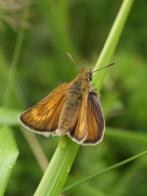
Still don’t believe in climate change? Well talk to Britain’s butterfly experts who are astounded that at least 11 species of butterfly have made their earliest recorded appearances after Britain’s warmest spring on record.

Of Britain’s 59 resident and regular migrant species, 37 have now appeared, and of these, all except one (the orange tip) have emerged earlier than they would have done a decade ago, according to the wildlife charity Butterfly Conservation. More remarkably still, 11 of them have broken all records for early emergence, some by scarcely-believable margins.

“We have been monitoring Britain’s butterfly populations for decades, but we have never seen anything like this,” said Martin Warren, the charity’s chief executive. “It’s quite extraordinary.

He adds: “Butterfly data, collected by hundreds of UK recorders, definitely points to climate change. Species are not only emerging early, but several species are extending their geographic range northwards”.

Oil Change International | Data Driven, People Powered.
Donate Get Updates
Back to the top
  • Keep in touch
  • Oil Change International
    714 G St. SE, #202
    Washington, DC 20003
    United States

    +1.202.518.9029

    [email protected]

    • Bluesky (opens in a new window)
    • Twitter (opens in a new window)
    • Instagram (opens in a new window)
    • LinkedIn (opens in a new window)
    • Facebook (opens in a new window)
  • Quick links
  • About OCI
  • Our Values
  • Jobs at OCI
  • Ways to Give
  • Media Centre
  • Publications
  • Press
  • Associated websites
  • Big Oil Reality Check
  • Energy Finance Database
  • Permian Climate Bomb
  • Site map
  • Privacy policy
  • Accessibility statement

Copyright © 2026 Oil Change International. Web design by Fat Beehive