
Now is the Time to End Arctic Oil and Gas Drilling
As the world is set to exceed 1.5°C of warming, Norway is ignoring its responsibility and plans to drill for more oil and gas in the Arctic. Despite the strong push from the Norwegian government and fossil fuel lobbyists, the EU Commission and majority of international parties are clear that fossil fuels in the Arctic must stay in the ground.
In their updated Arctic Strategy, the European Commission has confirmed that Arctic coal, oil, and gas must stay in the ground to transition away from fossil fuels in a just, orderly and equitable manner in line with the Paris Agreement. In order to protect the Arctic, the Commission states it will work with partners to “prevent all hydrocarbon developments that pose a threat to the Arctic ecosystem”.
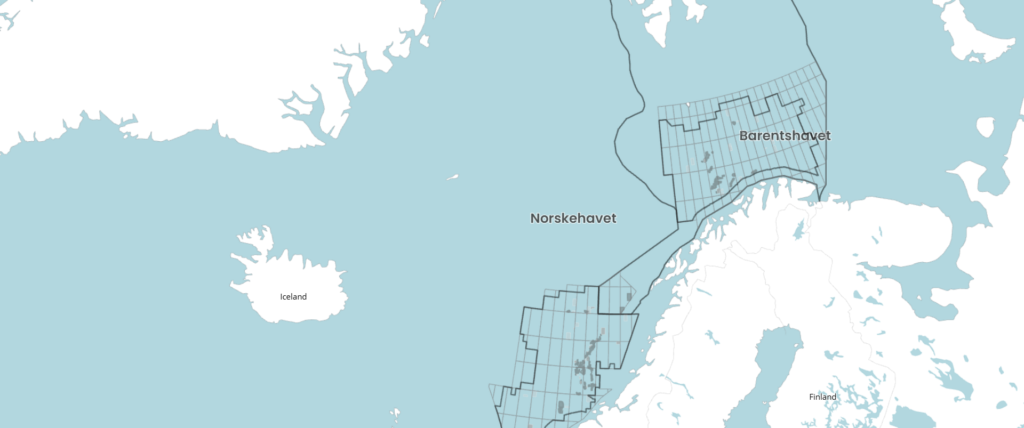
Despite the clear and urgent need to transition, the Norwegian minister for energy, Terje Aasland (Labour) is encouraging petroleum companies to be “horny for exploration”. Production on the Norwegian Continental Shelf is expected to structurally decline from 2030 on without increasing exploration in new areas and investments in infrastructure. The government’s policy is to slow the decline by opening new areas to drilling. Though there are few already producing fields above the Arctic Circle, most yet-to-find resources are expected to be in the Barents Sea.
Climate justice organizations and communities are pushing back.
The Norwegian climate, fisheries organisations, and local communities are pushing back against plans for more Arctic oil and gas. The largest oil field waiting to be developed is the Wisting oil field in the Barents Sea, around 300 km north of Hammerfest, Norway. An investment decision is expected from state-owned Equinor in 2027. With combustion emissions from the Wisting field calculated at around 217 million tonnes of CO₂, approving the oil field would be grossly irresponsible.
In November, the Norwegian state lost in the Supreme Court against Greenpeace Norway and Young Friends of the Earth Norway. From this ruling, three North Sea petroleum projects were declared invalid, as their climate effects and total emissions had not been considered. Now, all new petroleum projects must be assessed in light of national and international climate commitments and contributions to harmful climate change. In January 2027, the Norwegian government will hand out licences for oil and gas development through its annual APA round. The available area is close to existing infrastructure, and was expanded by 70 new blocks this year. The available area for 2027 includes areas that are crucial for vulnerable seabirds such as common murre, thick-billed murre, and puffins.
Today, Norway delivers around 30% of European gas demand. In 2025, Norwegian petroleum companies exported around 106 million standard cubic feet oil and 120 billion standard cubic feet of gas. Counting combustion emissions, current production volumes equal around 500 million tonnes CO₂, over eleven times the Norwegian annual emissions. According to Carbon Brief, Norway is in the top ten CO2 exporters in history.
Warming and drilling risks in the Arctic
The Arctic is undergoing climate change on an unprecedented scale, warming three times faster than the global average. Retreating sea ice is shrinking the living areas of vulnerable Arctic wildlife. Higher temperatures, seasonal changes and ice melting can also threaten the rights of Arctic Indigenous peoples, such as Sámi rights to traditional reindeer husbandry, hunting and fishing. Globally, August 2026 was the hottest month on record. A series of extreme heat waves in Western Europe caused an estimated 50,391 excess deaths attributed to climate change. Approving new fossil fuel projects puts the world on course to significantly exceed 1.5°C warming. Extracting all coal, oil and gas from existing fossil fuel projects already commits the world to emissions nearly seven times the remaining 1.5°C carbon budget. Extracting and burning fossil fuels are the main drivers of climate change. Securing phaseout of existing fossil fuel production is crucial to limit breaching the 1.5°C target.
Drilling for oil and gas in Arctic waters is also a massive risk to vulnerable ecosystems. The region is home to millions of seabirds, fish and sea mammals who thrive in the cold waters between solid ice and open sea. Poor preparedness, icy and dark winters and long distances mean that an oil spill in the Barents Sea would have catastrophic consequences for the Arctic ecosystems. The only gas export facility from the Barents Sea, the Melkøya LNG plant in Hammerfest, is operating at full capacity until the mid-2040s. The lead time from discovery to production in the Barents Sea is significantly longer than the rest of the Norwegian continental shelf, with a lead time of 18.7 years. By the time new Arctic discoveries are online, the EU gas market is projected to be significantly reduced. Achieving the EU’s 90% emissions reductions target by 2040 could mean a drastic fall in European gas demand, with serious consequences for Norway. Further exploration in the Arctic won’t ease European energy demands for at least a decade and will lock in emissions fueling the climate crisis.
Norway needs a new direction
Investing in new Arctic oil and gas fields set to produce beyond 2050 will mean betting on EU emissions reductions and energy independence measures to fail. Opening for more oil and gas in the Arctic will endanger vulnerable ecosystems and sabotage global climate efforts. The only safe roadmap is for Norway to stop new oil and gas projects in the Arctic in line with global responsibility and calls from their most important fossil fuel customer, the EU. Norway needs to shift direction and get on the same track as the EU commission and other nations. There are mutual roadmaps and ways to work together and plan for a fair, fast and funded transition away from fossil fuels.
