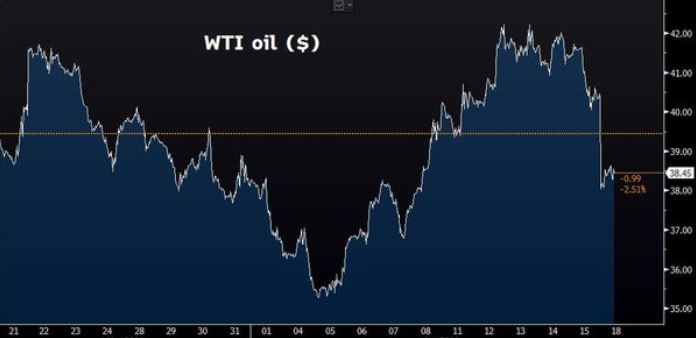
Oil Falls Again As Crunch Meeting Fails to Agree Deal
They came. They talked. They talked some more. They failed to reach a deal. And so the turmoil within the global oil industry continues.
Read the latest insights and analysis from the experts at Oil Change International.
They came. They talked. They talked some more. They failed to reach a deal. And so the turmoil within the global oil industry continues.
I want to tell you a story about a man called Bob. Bob runs a large multinational oil company. His company has just recorded its worst ever record loss of $6.5 billion. He has sacked some 7,000 workers, ruining lives and ripping up livelihoods. His company has suffered a torrid, horrible year. His share price fell 13 per cent over the last year. His competitors all did much better.
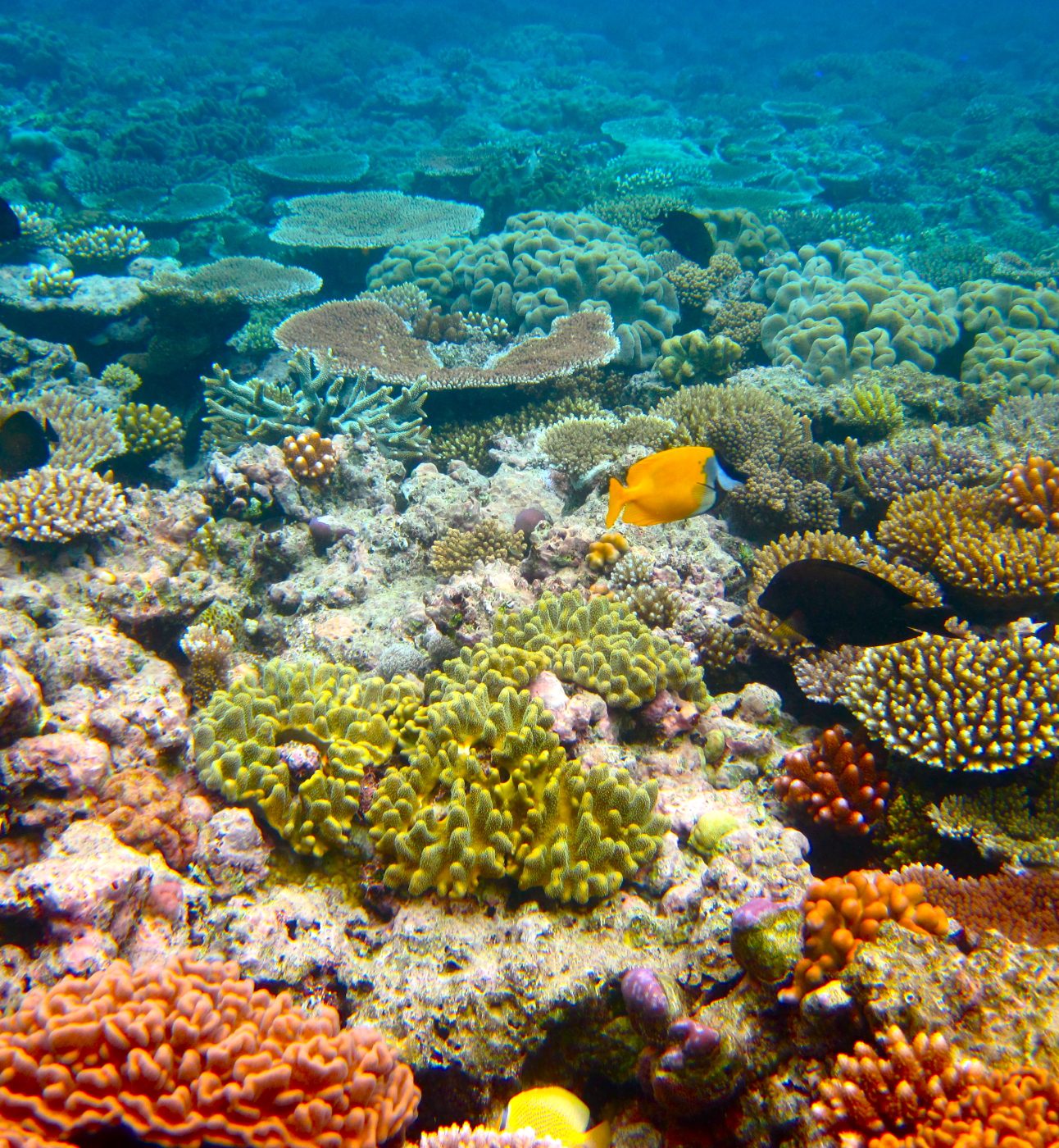
“Do we really care so little about the Earth on which we live that we don’t wish to protect one of its greatest wonders from the consequences of our behaviour?”
Over the past decade, companies like Koch Industries, ExxonMobile, and Chevron have given millions to our elected officials. All told, combining lobbying dollars and campaign contributions, the fossil fuel industry has spent over $1.7 BILLION trying to get their way since 2005.
It is a significant legal ruling in what has been described as the “most important lawsuit on the planet right now”.
For some time now scientists have been warning about the dangers of fracking and toxic chemicals and how they might include carcinogens, reproductive toxicants and what are known as endocrine disrupting chemicals or EDCs.
“The typical American male devotes more than 1,000 hours a year to his car”, so wrote the Austrian philosopher Ivan Illich way back in 1974.
In our latest briefing, we unravel why U.S. government agencies are setting themselves up for climate failure when assessing the climate impact of fossil fuel decisions, and what they should do about it.
As climate action gains momentum, there is a growing call for proposed fossil fuel infrastructure and policies to be measured in terms of their role in a safe climate future -- in other words, a climate test. But what should they be tested against?