
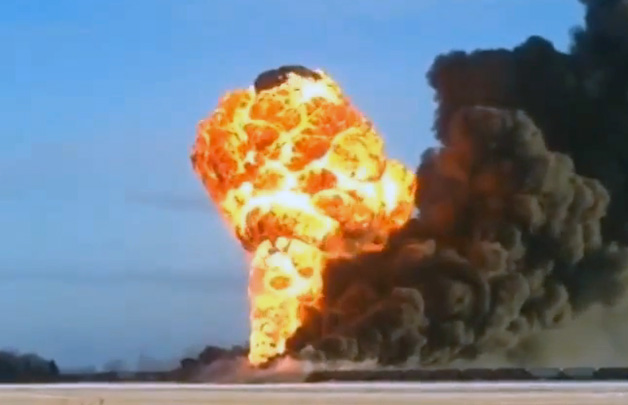
Crude-by-Rail may grow 4-fold. Are we all comfortable with that?
Ten years from now we could be seeing over four times more crude oil transported by rail throughout the US and Canada, some 4.5 million barrels per day. Are we comfortable with that?
Read the latest insights and analysis from the experts at Oil Change International.
Ten years from now we could be seeing over four times more crude oil transported by rail throughout the US and Canada, some 4.5 million barrels per day. Are we comfortable with that?
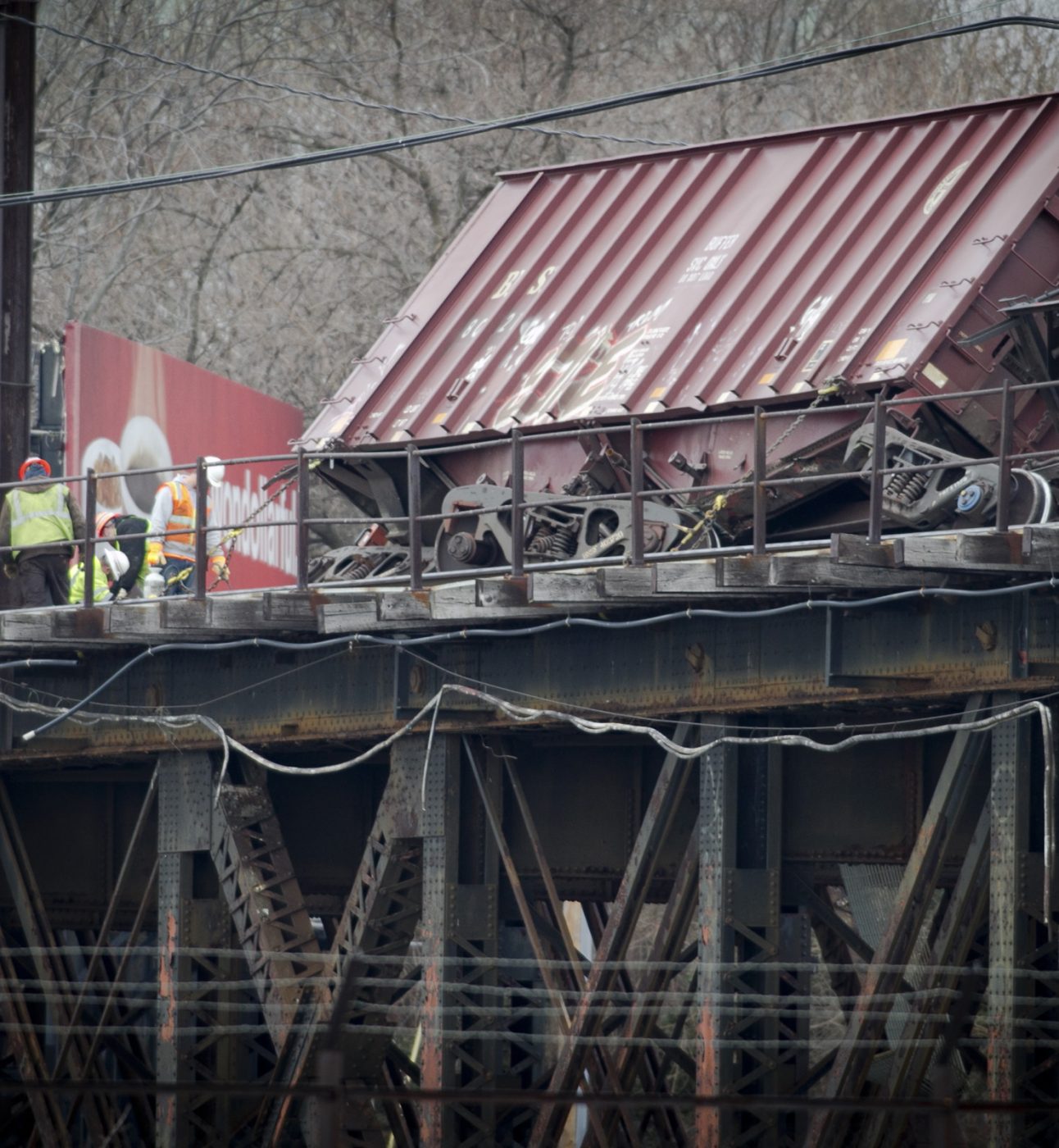
And on it goes. One accident after another. But this time a major disaster was averted by a whisker. On Monday a freight train, which was carrying fracked and highly flammable shale oil from North Dakota, derailed on a bridge over the Schuylkill river in South Philadelphia.
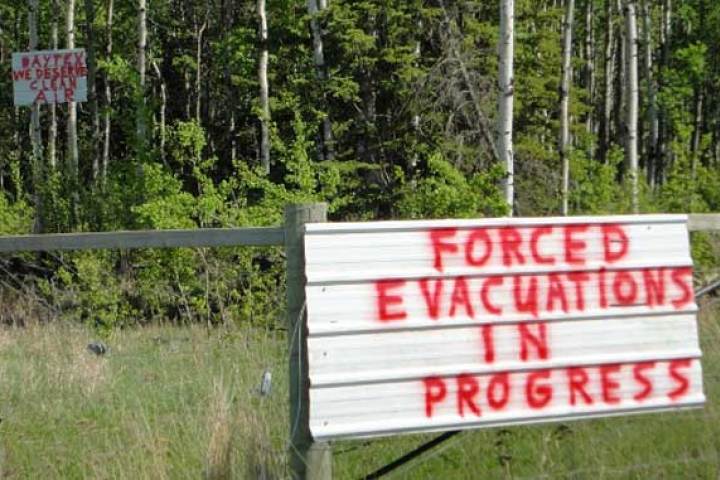
According to a report commissioned for the hearings into health impact caused by the tar sands, some local doctors are reluctant to treat patients who draw connections between the industry and their personal health problems.
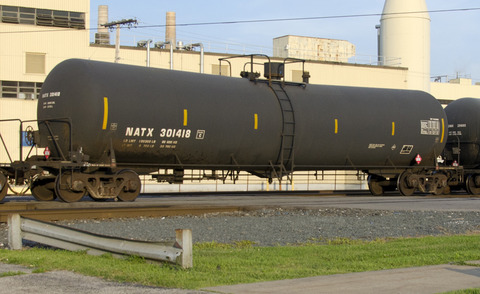
The string of oil by rail accidents in recent weeks has forced regulators in both Canada and the US to re-appraise the safety of oil by rail.
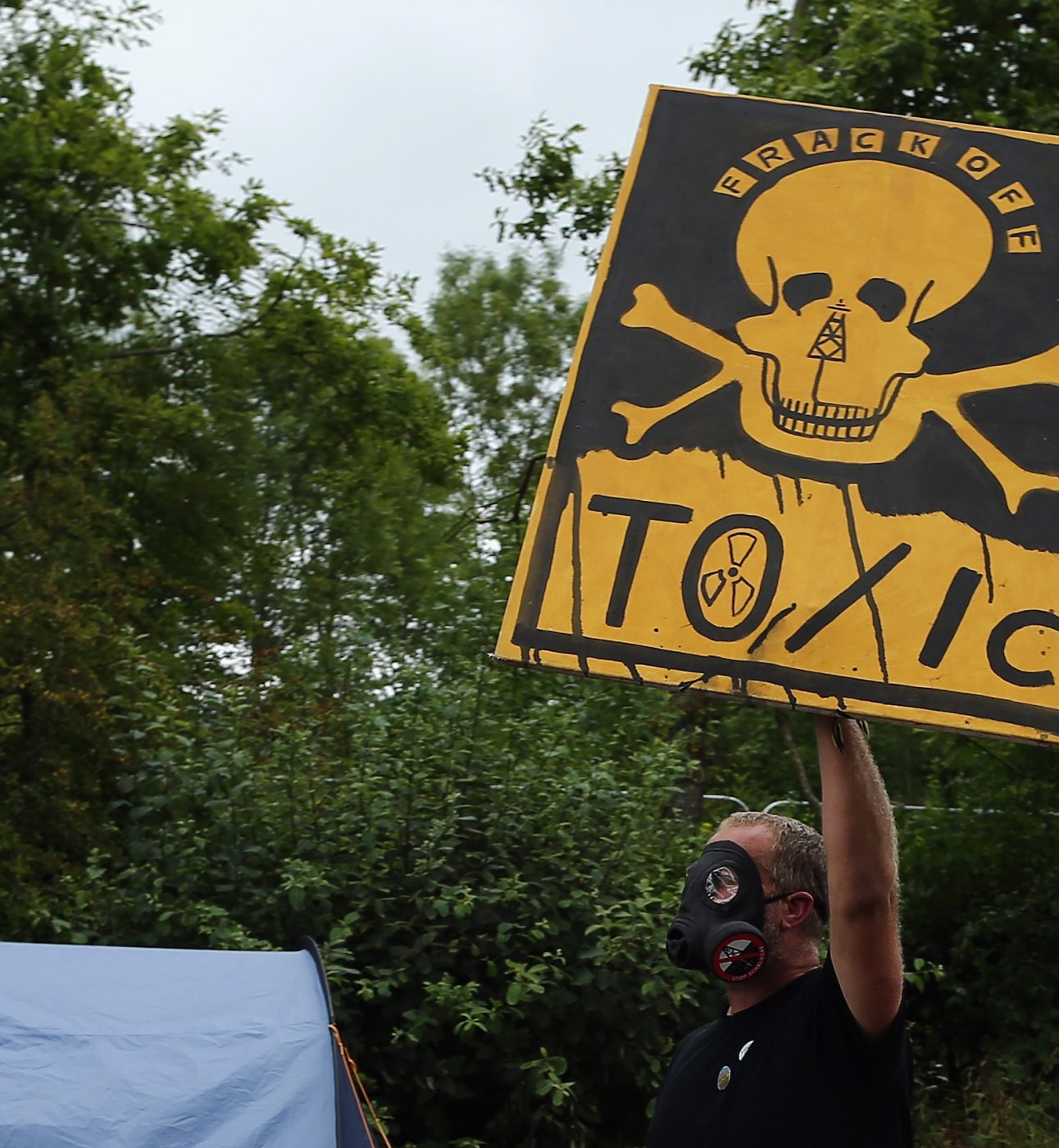
The British Prime Minister, David Cameron, yesterday dismissed critics of fracking as “irrational”, arguing that their opposition is based on a “religious” hostility to fossil fuels.
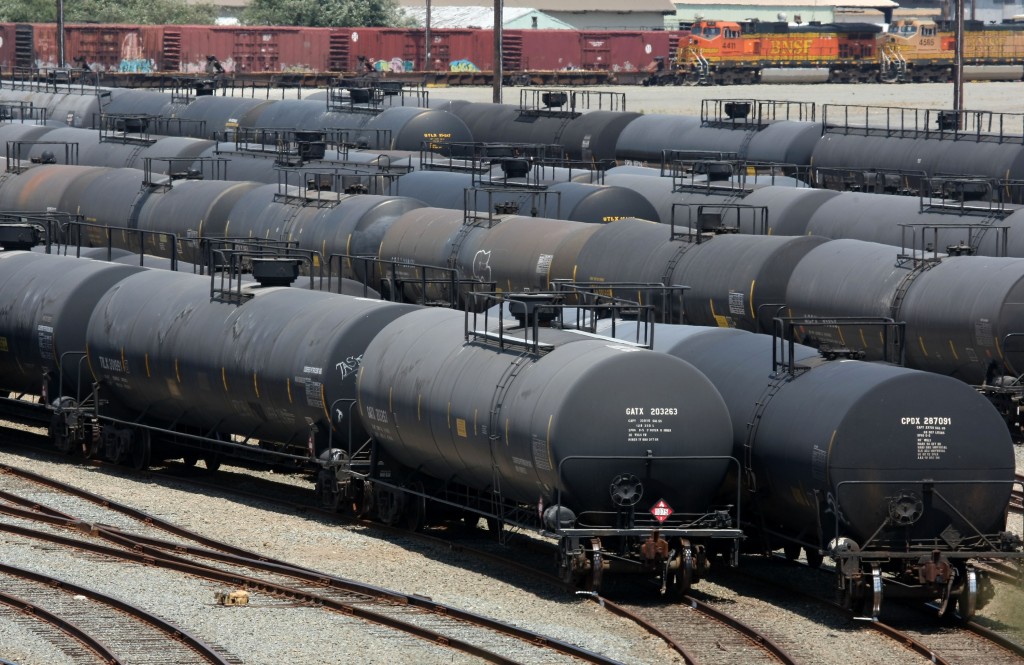
Another day and yet another crude oil train derails in North America, highlighting the growing risk of carrying crude by rail.
An investigation by the Associated Press has found that, in at least four major fracking states, there have been hundreds of complaints from local residents.
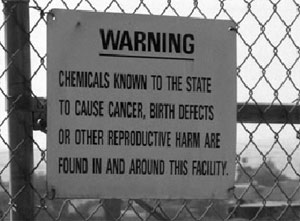
It maybe early in a new year, but already new research has been published which raises serious health concerns about fracking. What is most worrying about this research is that it shows that the controversial drilling technique could be impacting the most-at-risk in our society: new born babies.
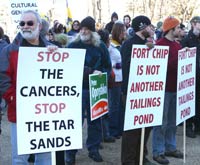
The Canadian press is reporting that the Albertan government is preparing to release new data “within weeks” about cancer rates in Fort Chipewyan, the First Nations community which is just under 300 kilometers north of Fort McMurray.
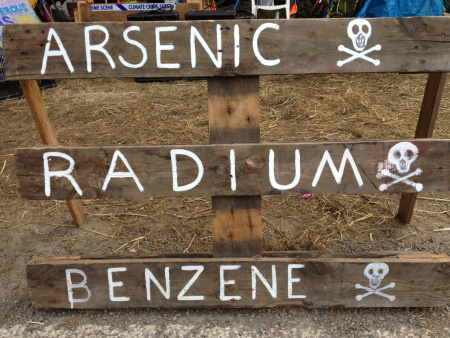
As the British government presses ahead with fracking, more evidence emerges from the US of serious air pollution issues, this time with the cancer-causing chemical, benzene.